


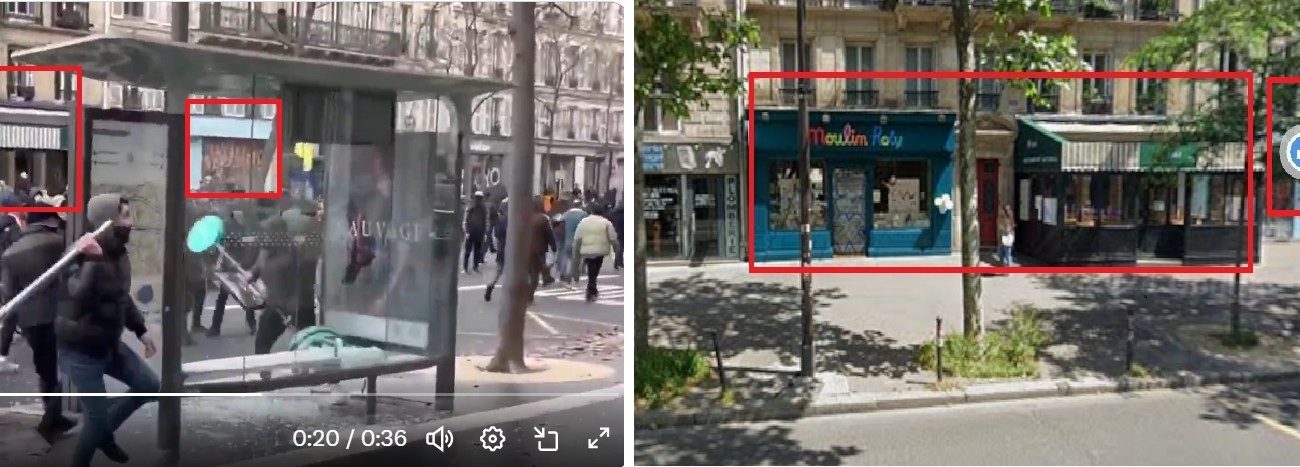
Resurfaced Violent Protest Videos Fuel Online Anti-Immigrant Sentiment
POLICY WIRE — Washington D.C., USA — Older footage depicting violent public disturbances is currently circulating across various digital platforms, reportedly repurposed to incite anti-immigrant...

POLICY WIRE — Washington D.C., USA — Older footage depicting violent public disturbances is currently circulating across various digital platforms, reportedly repurposed to incite anti-immigrant views.
This deliberate strategy involves the widespread sharing of clips from past altercations, often without their original context or date, presenting them as recent incidents linked to immigrant communities. Analysts suggest this tactic aims to manipulate public perception and deepen divisions within society.
The Pervasive Spread of Misinformation
Experts are highlighting a growing trend where historical visual content is selectively re-uploaded and disseminated to reinforce specific political agendas. The re-contextualization of these intense scenes frequently distorts their initial purpose, painting a misleading picture for viewers who may not verify the information.
Such digital practices contribute to a climate of xenophobia and mistrust, particularly targeting vulnerable populations. The rapid spread on platforms underscores the critical need for users to exercise caution and verify sources before accepting shared content as factual. The resurgence of these videos ignites intense public debate regarding immigration policies, often mirroring other contentious societal discussions. For instance, managing public perception and navigating complex policy changes is a constant challenge, as seen in New Mexico’s ongoing debate over its big game draw system.
Analyzing the Impact and Countermeasures
Sociologists and political commentators emphasize the potent psychological effect these sensationalized videos can have on audiences, often bypassing rational assessment. The emotional responses triggered by images of unrest can quickly solidify existing biases or create new ones, making objective analysis difficult.
📄 POLICY WIRE WHITEPAPER PUBLISHED: PAKISTAN'S NATIONAL SECURITY POLICY PRIORITIES
👉 READ BY CLICKING HERESocial media companies face increasing pressure to address the unchecked circulation of such deceptive content. Developing more robust verification mechanisms and clearer content moderation policies are crucial steps to mitigate the harm caused by these concerted efforts to spread propaganda. These efforts are part of broader societal challenges to ensure fairness and prevent exploitation, much like the recent disputes affecting TSA agents and air travel in Albuquerque.
“The weaponization of old footage is a dangerous form of digital manipulation designed to inflame tensions,” states Dr. Anya Sharma, a media ethics professor. “It preys on fears and misconceptions, making it imperative for individuals and platforms to act responsibly.”
Ultimately, combating the deliberate manipulation of public sentiment requires a collective effort from internet users, technology firms, and regulatory bodies to ensure that digital spaces foster informed discussion rather than division.