


New Mexico’s Big Game Draw System Under Fire: Reforms Loom Amidst Hunter Access Debate
POLICY WIRE — Santa Fe, New Mexico — A significant debate is intensifying over how New Mexico allocates its coveted big game hunting tags, particularly as the state’s system faces imminent...

POLICY WIRE — Santa Fe, New Mexico — A significant debate is intensifying over how New Mexico allocates its coveted big game hunting tags, particularly as the state’s system faces imminent policy overhauls.
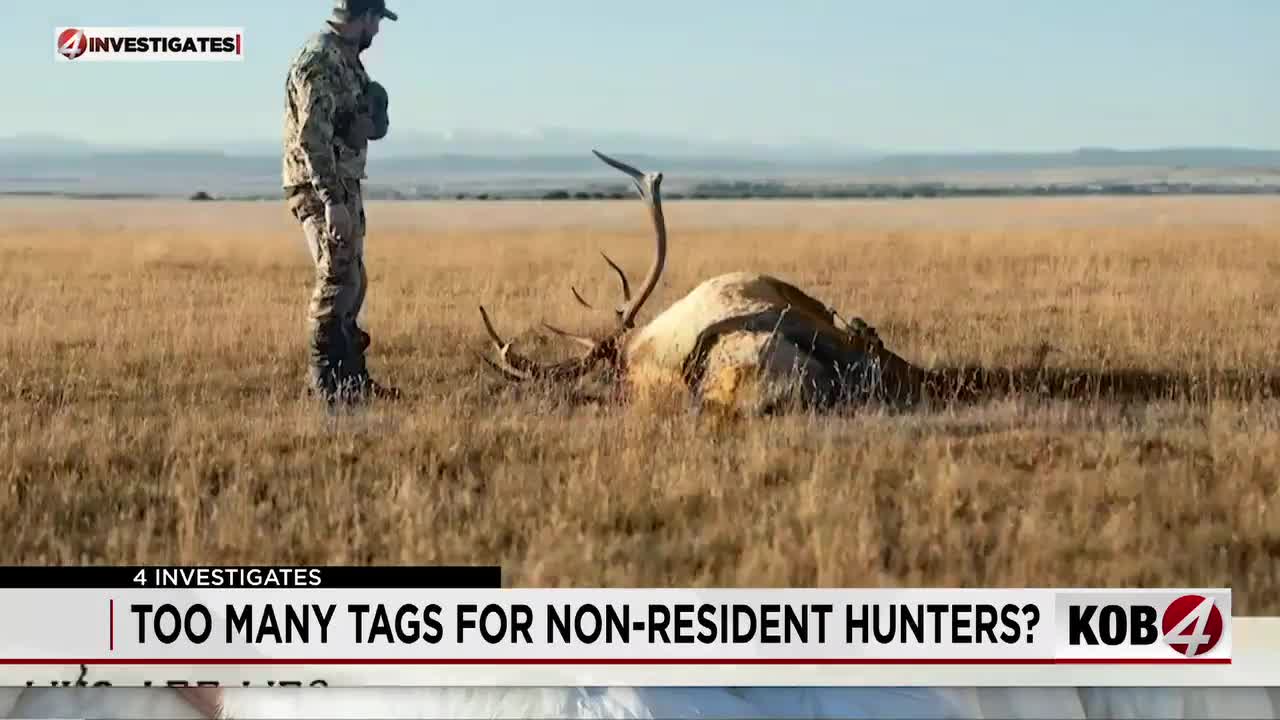
This year saw an astounding volume of over 290,000 applicants vying for New Mexico big game tags, yet only approximately one-fifth of these hopefuls received a favorable outcome on the recent draw day.
The vast majority, around 230,000 disappointed individuals, now face the prospect of either waiting another year or investing substantially more financial resources to secure a big game hunting opportunity.
The Hunter’s Perspective and Outfitter Influence
According to one hunter participating in an expedition with Cole Johnson, the essence of the sport should revolve around pursuing quality—whether that means a premium animal or an exceptional outdoor experience.
For professional outfitters like Johnson, who operates Black Horn Guide Service from Artesia, the true value of hunting lies in the camaraderie and time spent in camp, with family, friends, and out in the field. However, he notes that the mechanics of drawing a tag in New Mexico have become an integral, and often contentious, part of the narrative.
Johnson provocatively likened aspects of the system to a “welfare system for outfitters,” reflecting a growing sentiment of dissatisfaction.
Unpacking the Allocation Disparity
On paper, New Mexico’s big game draw regulations appear to heavily favor state residents. Current statutes mandate that 84% of public draw tags are designated for New Mexicans, with an additional 10% reserved for hunters booking through licensed outfitters, leaving only 6% accessible to out-of-state applicants.
However, this official breakdown provides only a partial view of the entire system. A distinct mechanism, known as the Elk Private Land Use System (EPLUS), operates independently, allowing for private land tags to be issued outside these conventional limits.
Under EPLUS, private landowners receive authorizations they can either utilize themselves or sell, frequently on the open market. A comprehensive report from the Legislative Finance Committee (LFC) in 2020 indicated that a substantial majority of these tags ultimately benefit out-of-state hunters. These non-residents often pay significantly higher prices for access, sometimes even to public lands.
The LFC study specifically revealed that approximately three-quarters of private land elk tags were eventually used by individuals residing outside New Mexico, leading to widespread concern about equitable access for local hunters.
Read More: New Mexico’s Unemployment Rate Jumps to 4.7%, Surpassing National Average in Latest Data
Advocates for Residents Speak Out
Jesse Deubel, representing the New Mexico Wildlife Federation, asserts that the current system is “rigged against New Mexico residents.”
His organization’s analysis of recent hunting seasons suggests that local hunters are receiving closer to two-thirds of the total elk tags distributed, a figure considerably lower than the 84% many believe is legally guaranteed to them.
“Hunting is more than just a pastime; it’s a lifestyle and a deeply ingrained tradition here,” Deubel emphasized. “Yet, we are gradually losing this heritage because New Mexicans are finding it increasingly difficult to secure tags.”
Economic Impact and Future Reforms
Industry advocates, however, offer a different perspective. Kerrie Romero, the executive director of the New Mexico Council of Outfitters & Guides, defends the current structure as a “business incentive.”
She draws parallels to other sectors, such as the film industry, which also benefits from various incentives. Romero frames the outfitter-reserved pool as a comparable economic stimulus.
Non-resident hunters typically incur higher fees, and their substantial expenditures contribute significantly to the economic vitality of rural communities within the state. For some perspective on the state’s environmental challenges, see Tusas Fire: San Miguel County Wildfire Triggers Emergency Evacuations in Western New Mexico.
Johnson further noted that certain private land elk tags can command prices between $15,000 and $20,000, further fueling the contention over the perceived undue influence of private landowners and outfitters on what is fundamentally a public natural resource.
However, even within the outfitting community, opinions diverge on the fairness and justification of the existing framework.
Impending Changes to Wildlife Management
Significant modifications are on the horizon for New Mexico’s big game management. A new law, effective in 2025, will strip the governor of direct power over appointments to the State Game Commission.
This body is set to be rebranded as the State Wildlife Commission and will undergo a complete structural overhaul, slated to commence on January 1, 2027.
Darren Vaughan, the communications director for New Mexico Game and Fish, affirmed the department’s responsiveness to public concerns.
“We are certainly attuned to the widespread public sentiment and are fully prepared to engage with their input,” Vaughan stated. “Should public pressure lead to legislative action, and lawmakers decide to implement changes, we will unequivocally adhere to whatever directives the legislature mandates.”