
MotoGP Shocker: Ai Ogura Jumps to Yamaha, Delivering a Harsh Blow to Honda’s Strategy
POLICY WIRE — Barcelona, Spain — Despite ongoing delays in official rider market announcements for the 2027 MotoGP season due to stalled negotiations between the Motorcycle Sports Manufacturers...

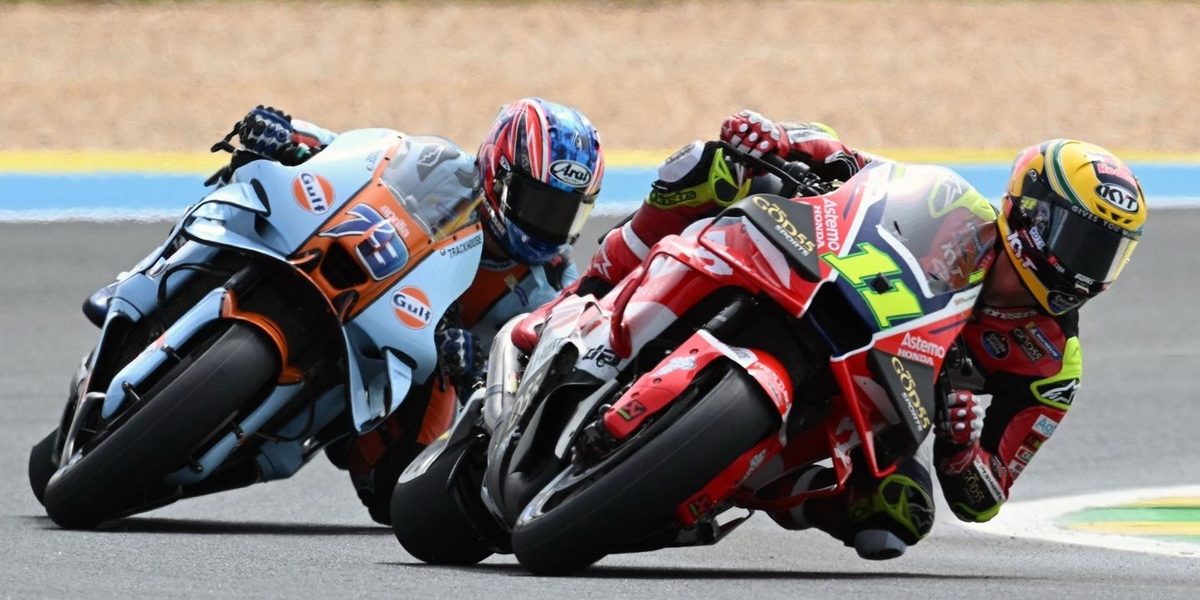
POLICY WIRE — Barcelona, Spain — Despite ongoing delays in official rider market announcements for the 2027 MotoGP season due to stalled negotiations between the Motorcycle Sports Manufacturers Association (MSMA) and the sport’s commercial rights holder, the highly anticipated transfer of Ai Ogura to Yamaha is now considered a confirmed agreement.
This development has sent ripples of surprise throughout the racing paddock. Many observers had anticipated that the talented rider from Kiyose, Japan, would continue his career with Trackhouse, the team that supported him prior to his 2024 Moto2 World Championship victory. However, Yamaha executed a brilliant strategic maneuver, successfully securing one of the most compelling talents on the grid and making him the first fully factory-backed Japanese rider for the Iwata-based manufacturer.
Just over a month ago, Ogura’s future appeared settled with Justin Marks’ Trackhouse team. Both sides had reportedly agreed to extend their collaboration, with Aprilia, represented by Massimo Rivola, also seemingly on board. Yet, Yamaha’s rapid and decisive efforts to sign him during the United States Grand Prix precipitated a sudden change, effectively disempowering Trackhouse from retaining the rider.
Ogura’s Rising Stardom and Market Impact
In his second season within the premier class, Ogura has consistently demonstrated exceptional talent, solidifying his reputation as a reliable and promising prospect for the coming years. This performance significantly bolstered his market value, coinciding with a dynamic rider market. Following the signing of Jorge Martin, who will join him in Yamaha’s factory garage, the manufacturer also engaged with other potential candidates for the second seat.
Among these candidates were David Alonso and Dani Holgado, who ultimately opted for Honda and Gresini Ducati, respectively. The age difference between Luca Marini (29) and Ogura (25) was a decisive factor, leading to Marini’s exclusion from Yamaha’s plans, leaving him to pursue other limited opportunities.
Read More: Veteran Isle of Man TT Racer Ed Poole Dies in Fatal Jurby Circuit Incident
Honda’s Bitter Pill: A Decade of Missteps
Concurrently, Ogura’s acquisition by Yamaha represents a profound setback for Honda. The Japanese giant had nurtured the #79 rider, developing him through its extensive feeder programs in Moto3 and Moto2, only to witness a direct competitor benefit from their substantial investment. The sting is exacerbated by the fact that Ogura had previously declined an offer to advance to MotoGP with LCR Honda, preferring to remain in Moto2 at the time.
The absence of a competitive Asian rider, particularly after Somkiat Chantra did not meet expectations, eventually led Honda to discontinue its Idemitsu pathway, signaling another failed project in its talent pipeline.
📄 POLICY WIRE WHITEPAPER PUBLISHED: PAKISTAN'S NATIONAL SECURITY POLICY PRIORITIES
👉 READ BY CLICKING HERE“What happened with Ogura reflects many of the issues that still need to be resolved within Honda.” — HRC Source
This situation is not an isolated incident where one manufacturer capitalizes on another’s developmental efforts, nor is it likely to be the last. However, the unique circumstances that prompted Ogura to sever ties with Honda during his final Moto2 season are particularly telling. The catalyst was a growing friction between Ogura and Hiroshi Aoyama, the director of Honda’s Moto2 and Moto3 teams.
Even the personal friendship between Aoyama and Ogura’s father could not reconcile their disagreements, which ultimately propelled the rider to sign with MT Helmets. It was with MT Helmets that he clinched the Moto2 title in 2024, having already secured his MotoGP promotion for 2025 with Trackhouse, largely through the personal conviction of Davide Brivio.
As Ogura’s agent, Jordi Pons, recounted, “Ai stopped seeing eye to eye with Aoyama and asked me to help him find a team to race with.” This earlier discord left an unresolved issue that has now become starkly evident with Yamaha’s intervention.
Internal Disconnect and Future Challenges for Honda
Sources within HRC acknowledge that this episode underscores persistent internal challenges at Honda, suggesting that Aoyama operates within certain limitations. This points to a noticeable communication gap between Japanese executives and the predominantly European middle management tasked with overseeing and directing various racing teams.
Honda’s last championship title dates back to 2019. Insiders familiar with Honda’s daily operations and strategic decisions suggest that “it’s not that things worked differently back then – Marc Marquez covered everything up.” In an era where European manufacturers have ascended to dominance over traditionally formidable Japanese brands, Honda’s leadership appears to remain confined within a rather insulated operational framework. This environment frequently fosters scenarios that can lead to significant strategic losses, such as Ogura’s departure, offering a crucial lesson from which the manufacturer must learn and adapt.