


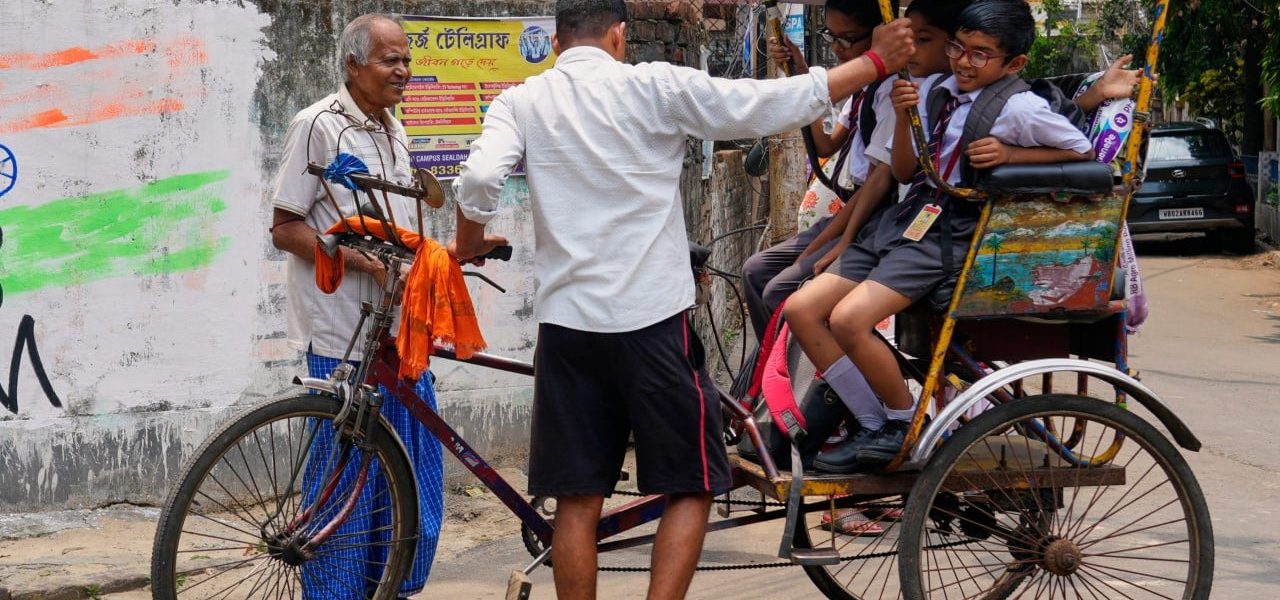
Delhi Heatwave: Schools Mandate ‘Water Bells’ Amid Record Temperatures and Public Health Crisis
POLICY WIRE — New Delhi, India — Authorities in New Delhi, India’s bustling capital, have issued a directive compelling educational institutions to implement mandatory ‘water...

POLICY WIRE — New Delhi, India — Authorities in New Delhi, India’s bustling capital, have issued a directive compelling educational institutions to implement mandatory ‘water bells,’ ensuring students are frequently reminded to hydrate as the city braces for intense heatwave conditions.
The sweltering summer climate across India, the globe’s most populous country, poses severe risks to millions. Official government statistics indicate that approximately 11,000 fatalities were attributed to heatstroke between 2012 and 2021, highlighting the profound public health challenge.
Delhi’s Battle Against Extreme Heat
In May 2024, New Delhi experienced a particularly harsh heatwave, with temperatures soaring to a blistering 49.2 degrees Celsius (120 degrees Fahrenheit). This extreme temperature notably equaled the capital’s historical record, emphasizing the severity of the current climatic challenges. Such extreme weather events necessitate urgent and robust policy responses to protect vulnerable populations.
Implementing measures like the ‘water bell’ in schools is a direct response to rising concerns over student well-being during prolonged periods of high temperatures. These policy decisions reflect a growing awareness of climate-related health impacts. Addressing complex societal issues often requires robust policy frameworks and sometimes faces legal challenges, as seen in cases like Gubernatorial Candidate Duke Rodriguez Files Lawsuit Against NM Universal Childcare Program.
Protecting Children in Sizzling Conditions
The directive underscores the critical need for proactive health interventions. Dehydration among children during school hours in scorching heat can lead to serious health complications, ranging from fatigue and dizziness to more severe heat-related illnesses. Educators are now tasked with ensuring regular hydration breaks are integrated into the daily schedule, moving beyond traditional academic routines to prioritize student health.
📄 POLICY WIRE WHITEPAPER PUBLISHED: PAKISTAN'S NATIONAL SECURITY POLICY PRIORITIES
👉 READ BY CLICKING HERE“Our priority must be the safety and well-being of our students. The ‘water bell’ is a simple yet crucial step to mitigate the immediate risks posed by extreme heat,” stated a spokesperson from the Delhi education department.
As the subcontinent grapples with increasingly severe and frequent heatwaves, both governmental bodies and educational institutions are adapting strategies to safeguard public health, particularly for the youngest citizens. The long-term implications of these extreme weather patterns continue to be a significant concern for urban planning and public health infrastructure across the region.
Read More: German Corporate Insolvencies Threaten 200,000 Jobs Amid Economic Headwinds