
Supreme Court to Hear Religious Preschools’ Challenge to Colorado Funding Rules
POLICY WIRE — Washington, D.C., USA — The United States Supreme Court has agreed to review a case initiated by Catholic preschools in Colorado, who argue that their exclusion from a state-funded...

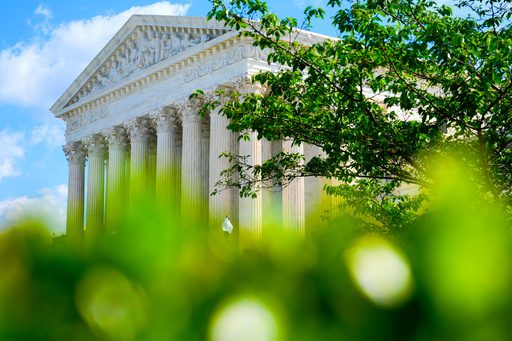
POLICY WIRE — Washington, D.C., USA — The United States Supreme Court has agreed to review a case initiated by Catholic preschools in Colorado, who argue that their exclusion from a state-funded program based on admission policies violates their religious liberties.
On Monday, the nation’s highest judicial body announced its decision to hear the appeal filed by St. Mary Catholic Parish. These religious institutions, which garnered support from the former Trump administration, assert that denying them participation in a universal preschool initiative, funded by taxpayers, is unconstitutional. Their contention centers on faith-based admission restrictions concerning LGBTQ+ families and children.
Colorado’s Funding Program and Nondiscrimination Policy
Officials in Colorado have consistently stated that religious educational facilities are welcome to join the program, provided they adhere to the state’s established nondiscrimination statutes. The universal preschool program, which provides public funds for free enrollment at parent-selected centers, was created through a 2020 ballot measure.
The Supreme Court’s Stance on Religious Rights
This upcoming case represents another significant challenge involving religious rights before the Supreme Court, which currently holds a conservative majority. Historically, this court has often favored claims of religious discrimination while simultaneously demonstrating a more critical view of LGBTQ+ rights. For context on related judicial considerations, the Court previously declined to review a Massachusetts school gender identity policy, allowing lower court decisions to stand.
A central element of this appeal involves the potential modification of a landmark 1990 ruling. This prior decision addressed the spiritual consumption of peyote, a cactus containing mescaline, and was authored by the respected conservative legal figure, Justice Antonin Scalia. The 1990 opinion notably asserted that religious practices do not automatically exempt individuals or institutions from generally applicable laws.
📄 POLICY WIRE WHITEPAPER PUBLISHED: PAKISTAN'S NATIONAL SECURITY POLICY PRIORITIES
👉 READ BY CLICKING HERE“Religious practices do not grant exemptions from broadly applicable laws.” — Justice Antonin Scalia, 1990 ruling.
The justices had previously declined requests from both the challenging schools and a Catholic family in Colorado to overturn the original 1990 precedent. Oral arguments for the present case are scheduled for the fall session.