


Strategic Mineral Partnership: Germany’s Merz Highlights Brazil’s Critical Metal Reserves, Offers Tech Solutions
POLICY WIRE — Brasilia, Brazil — German opposition leader Friedrich Merz has underlined Brazil’s substantial potential in critical metals, simultaneously indicating Germany’s readiness to...

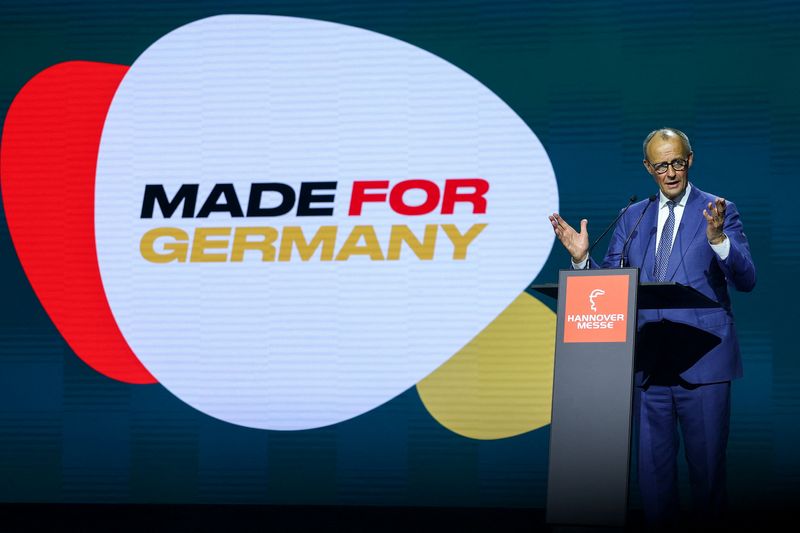
POLICY WIRE — Brasilia, Brazil — German opposition leader Friedrich Merz has underlined Brazil’s substantial potential in critical metals, simultaneously indicating Germany’s readiness to supply the necessary technological expertise.
This pronouncement arrives amid a global push to fortify supply chains for essential raw materials, vital for the ongoing energy transition and advanced manufacturing sectors.
Brazil’s Untapped Riches
The global shift towards renewable energy systems and electric vehicles is driving an unprecedented demand for critical minerals. Elements such as lithium, cobalt, and rare earth metals are foundational components for batteries, electronics, and various green technologies.
Merz specifically noted that Brazil holds vast, largely unexploited reserves of these invaluable resources. This positions the South American nation as a pivotal future collaborator for industrial powerhouses like Germany, offering significant mutual advantages.
Germany’s Technological Offer
As a global leader in engineering and industrial innovation, Germany is prepared to deploy sophisticated solutions. These advancements would support the sustainable and efficient extraction, processing, and refining of these crucial metals within Brazil.
Such a partnership aims to foster responsible resource management while ensuring a robust and ethical supply chain. The initiative underscores a commitment to environmental stewardship alongside economic development.
Strengthening Global Supply Chains
Forging strategic alliances in the critical minerals sector is paramount for diversifying global supply chains. This strategy is essential for reducing over-reliance on single source countries, a vulnerability underscored by recent worldwide disruptions.
The security of these essential materials transcends mere economic interest; it is increasingly recognized as a matter of national and industrial resilience. Discussions around such partnerships often navigate complex geopolitical landscapes, demonstrating the intricate balance between economic imperatives and international relations.
“Securing vital raw materials is a geopolitical imperative. Partnerships that prioritize sustainable extraction and mutual benefit are crucial for future stability.”
📖 THE POLICY DIGEST MAGAZINE: OCTOBER 2026 EDITION NOW LIVEExclusive Battle Damage Assessment by Sarah Adams, US-Iran Diplomatic Talks & Transnational Investigations👉 READ BY CLICKING HERE
Read More: India and China Delink Border Disputes from Economic and Security Cooperation
Vision for Mutual Growth
The proposed collaboration envisions a long-term commitment that directly supports Brazil’s economic expansion through localized value addition. Concurrently, it guarantees a consistent and ethically sourced supply of materials for Germany’s high-tech manufacturing industries.
This proactive step by Germany to establish resilient international partnerships within the critical minerals sector aligns with overarching global sustainability objectives and future industrial requirements. The move highlights a forward-looking approach to resource diplomacy.
Further insights into the complexities of international resource security and political dynamics can be found in discussions on global events. For example, understanding how international tensions impact commodity flows is critical.
Read More: China Condemns US Seizure of Iranian Oil Tanker, Urges Diplomacy