


German Minke Whale Rescue: Freed Marine Mammal Re-strands, Conservation Efforts Intensify
POLICY WIRE — Cuxhaven, Germany — A dramatic marine animal rescue operation off the German North Sea coast has entered a critical new phase, as a minke whale, initially freed from a sandbank, has...

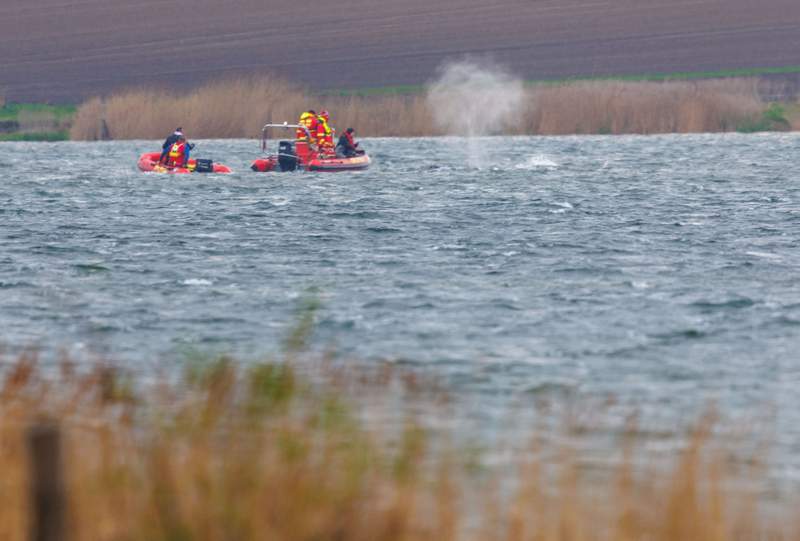
POLICY WIRE — Cuxhaven, Germany — A dramatic marine animal rescue operation off the German North Sea coast has entered a critical new phase, as a minke whale, initially freed from a sandbank, has once again become stationary and is showing signs of distress.
Local authorities and marine biologists are closely monitoring the whale’s condition following its re-stranding, just hours after a successful initial liberation. The incident has captivated public attention across Germany, drawing significant concern for the majestic creature’s fate.
Initial Rescue Success and Subsequent Setback
The saga began when the young minke whale, estimated to be around 10 meters long, was discovered trapped on a shallow sandbank near the Elbe River estuary. A dedicated team of veterinarians, rescue personnel, and volunteers worked tirelessly to dislodge the animal, utilizing high tides and specialized equipment to guide it back into deeper waters.
Initial reports celebrated the successful release, with the whale observed swimming purposefully towards the open sea. However, hope quickly turned to renewed worry as the whale was sighted hours later, largely motionless in a different shallow area, raising immediate alarms among the conservationists.
Read More: Fact Check: Altered Image Fuels False Claims About President Marcos’s Health
Current Situation and Expert Concerns
Rescue teams are currently assessing the whale’s health, attempting to determine if it is injured, disoriented, or weakened. Marine experts from the German Oceanographic Museum suggest that repeated stranding incidents often indicate underlying health issues or navigational difficulties, especially for whales venturing outside their typical deep-water habitats.
“This recurring stranding pattern is deeply concerning. It suggests the whale might be unwell or severely disoriented, making its long-term survival prospects uncertain,” stated Dr. Lena Hoffmann, a senior marine mammal specialist.
📄 POLICY WIRE WHITEPAPER PUBLISHED: PAKISTAN'S NATIONAL SECURITY POLICY PRIORITIES
👉 READ BY CLICKING HERE
Efforts are now focused on developing a new strategy, which may include further attempts to guide the whale to safety or, in the worst-case scenario, considering difficult decisions regarding its welfare if it cannot be relocated permanently.
Broader Environmental Context
The incident also sparks broader discussions about marine conservation and the impacts of human activity on delicate ecosystems. While direct causation is not yet established, factors such as increasing shipping traffic, noise pollution, and changes in food availability can contribute to such events.
Policy Wire regularly covers critical environmental challenges, from local marine incidents to global crises. For instance, the escalating environmental and public health crisis in Southeast Asia due to widespread blazes is a pressing issue detailed in our report: Mekong Region Wildfires Intensify: Thailand, Laos, Myanmar Grapple with Dangerous Smoke and Public Health Crisis.
The ongoing whale rescue serves as a stark reminder of the fragile balance within marine environments and the dedicated work required to protect species facing increasing anthropogenic pressures.