
Nepal’s Private School Fee Crackdown Reshapes South Asian Education Standards
POLICY WIRE — Kathmandu, Nepal — The Nepalese government has issued comprehensive directives, compelling private educational institutions to cease the practice of imposing excessive charges, refund...

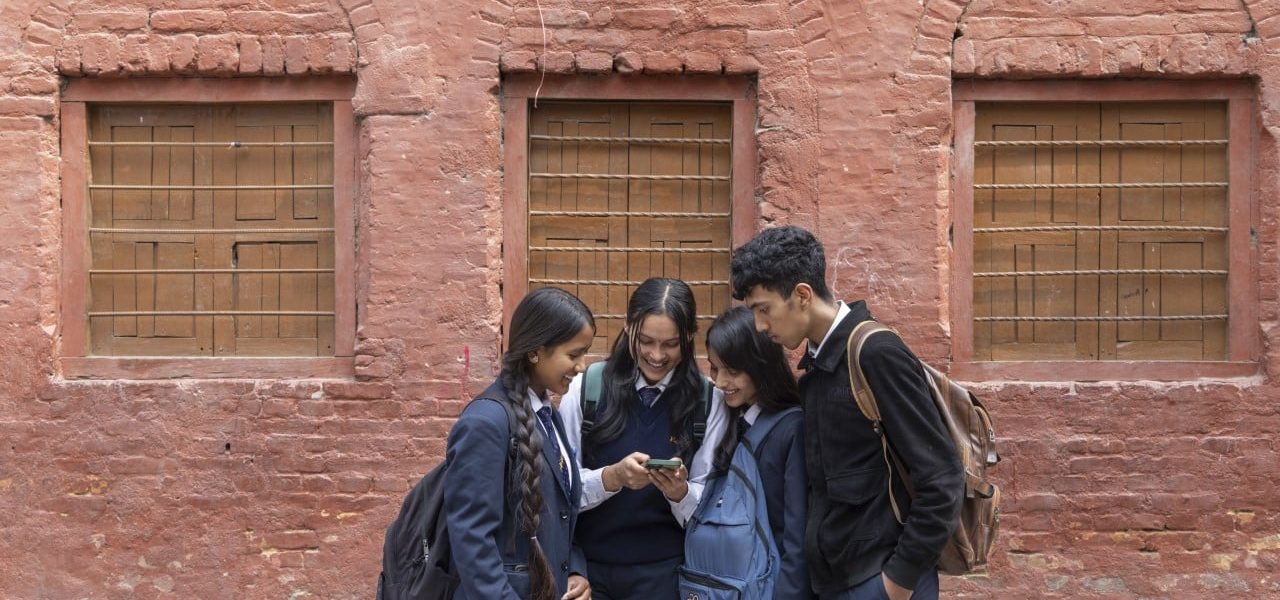
POLICY WIRE — Kathmandu, Nepal — The Nepalese government has issued comprehensive directives, compelling private educational institutions to cease the practice of imposing excessive charges, refund any unlawfully collected tuition fees, and ensure complete transparency by publicly disclosing their full fee structures. This significant move has reignited a crucial regional conversation concerning the escalating financial burden of education across South Asia.
Families across prominent South Asian cities, from Dhaka to Delhi, have long expressed considerable dissatisfaction regarding the steep costs associated with private schooling and the perceived lack of adequate regulatory oversight. Such widespread grievances naturally provoke questions about the appropriate role of governments: should they actively curtail private school operations, focus on enhancing the quality of state-run schools, or adopt a dual approach?
Read More: Bangladesh’s Deadly Measles Outbreak: Critical Vaccine Gaps Drive Rising Child Mortality
Nepal’s Ministry of Education Mandates New Rules
These recent directives from Nepal’s Ministry of Education mark a pivotal moment in the nation’s educational policy. The government seeks to address long-standing issues of financial exploitation within the private education sector. These regulations are designed to protect parents from arbitrary fee increases and to enforce accountability among private institutions.
The ministry’s order specifically targets practices such as charging for services not rendered or imposing fees beyond the legally sanctioned limits. Furthermore, schools are now required to maintain clear and accessible records of all financial transactions, fostering an environment of greater public trust and accountability.
📄 POLICY WIRE WHITEPAPER PUBLISHED: PAKISTAN'S NATIONAL SECURITY POLICY PRIORITIES
👉 READ BY CLICKING HEREBroader South Asian Education Debate
The situation in Nepal mirrors a wider regional predicament where private education often comes at a premium, placing a substantial economic strain on middle and lower-income families. While private schools are frequently chosen for their perceived quality, the unregulated fee structures have become a point of contention and social inequality.
Experts suggest that without clear governmental intervention, the divide between affordable public education and expensive private alternatives will continue to widen. The Nepalese initiative could serve as a potential precedent for other nations grappling with similar challenges in the complex landscape of private education funding.