

Pakistan’s Diplomatic Push to Stabilize the Middle East
In the face of a very high level of tension in the Middle East, China and Pakistan have come up with a five-point peace plan in a bid to bring back peace in the region. The proposal, which was...

In the face of a very high level of tension in the Middle East, China and Pakistan have come up with a five-point peace plan in a bid to bring back peace in the region. The proposal, which was unveiled following a top-level meeting in Beijing, proposes an immediate ceasefire, protection of civilians, safe passage through the Strait of Hormuz, and resolution of the conflict through dialogue under the United Nations Charter. Meanwhile, Pakistan has been actively brokering negotiations between the United States and Iran, placing itself in the middle of a fast-changing diplomatic initiative.
This is not just a normal diplomatic statement. It is an indication of a significant change in the role of Pakistan in the world, as a nation that is commonly perceived through a limited security perspective to a nation that is becoming a responsible, proactive and peace-seeking player in international politics.
The other major factor in terms of the role of Pakistan is its increasing role as a mediator. During the past few weeks, Islamabad has been assisting in passing messages between Washington and Tehran, two nations that have been in a fierce conflict. Such backchannel diplomacy involves trust on both sides which Pakistan has been able to establish over the years. Even China has come out openly in support of the role played by Pakistan in the dialogue process as it is a credible mediator in a very sensitive conflict.
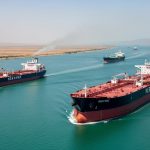
The strategic significance of the Strait of Hormuz makes the relevance of this initiative even more evident. This is one of the most important energy paths in the world. It is the passageway of about 20 percent of the world oil trade and almost one-fifth of the daily oil consumption. Already, in recent weeks, the disruptions in the strait have already raised serious global concerns. It is reported that the maritime traffic declined drastically and oil prices increased to over 100 per barrel as tension increased and shipping was restricted.
In this case, the request of Pakistan to have safe and early transit of commercial vessels is not a regional issue but a global requirement. Pakistan is demonstrating a clear grasp of economic stability in the world by emphasizing on the necessity of maintaining this route open. It is not only positioning itself as a regional player, but also a responsible stakeholder in the international system.
The other significant aspect of the diplomacy of Pakistan is its capacity to collaborate with the key world powers such as China. The combined effort is an indication of an enhanced strategic relationship that transcends beyond economic collaboration under initiatives such as CPEC. It reveals that Pakistan is currently playing an active role in the process of global peace-making. This alignment provides Islamabad with more diplomatic weight and enables it to raise its voice on important issues in the international arena.
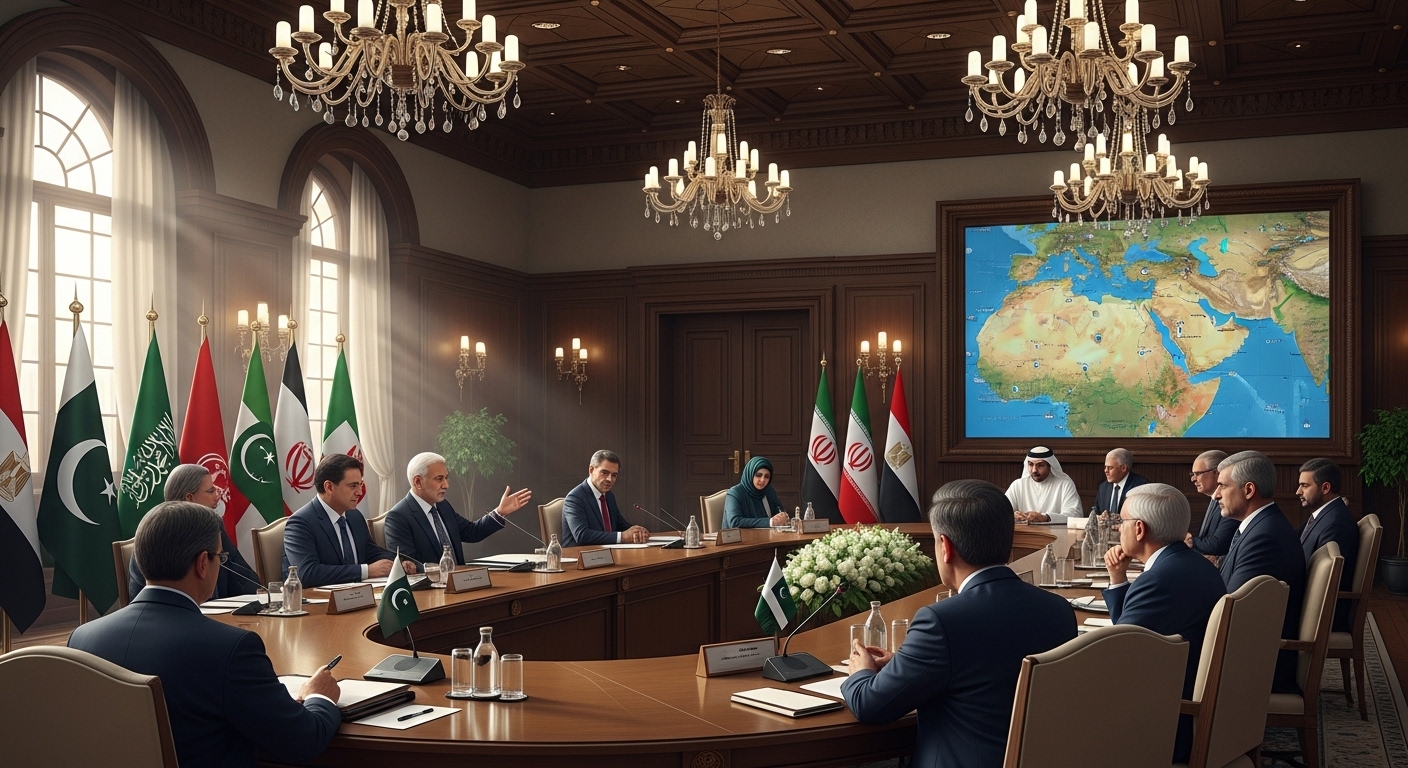
Meanwhile, Pakistan has been also very active in terms of interaction with regional states. In the recent past, foreign ministers of Turkiye, Saudi Arabia and Egypt were in Islamabad to deliberate on how to de-escalate tensions and encourage dialogue. This multi-layered engagement shows that Pakistan is not taking sides but is instead trying to bring different stakeholders together on one platform. This is a mature, balanced and consensus-building approach.
Another strength of the position is the focus of Pakistan on the protection of civilians and non-military infrastructure. During contemporary wars, civilians are usually the worst affected and vital infrastructure such as energy plants and water systems are targeted. By explicitly requesting their protection, Pakistan is positioning itself in line with the international humanitarian law and strengthening its reputation as a responsible actor that appreciates human life and stability.
📄 POLICY WIRE WHITEPAPER PUBLISHED: PAKISTAN'S NATIONAL SECURITY POLICY PRIORITIES
👉 READ BY CLICKING HEREAnother thing that makes Pakistan unique in this case is its emphasis on preventive diplomacy. Islamabad is not responding to a crisis that has escalated but is proactively attempting to prevent the situation to worsen. The Middle East war has already demonstrated indications of contagion, and there are threats of further instability in the region. The early and sustained dialogue advocacy by Pakistan is a progressive move that puts more emphasis on de-escalation rather than confrontation.
More importantly, the diplomatic activities of Pakistan are not occurring in a vacuum. The present crisis has witnessed various world powers failing to reach a compromise. Although the efforts of the Western-led efforts have been problematic, the strategy of Pakistan, which is founded on neutrality, dialogue, and multilateralism, provides a different route. Its demand to settle disputes in accordance with the UN Charter also enhances its stance as a proponent of a rules-based international order.
In addition, the geographic and economic realities of Pakistan are even more important to its involvement. Being a nation that is geographically near to the Gulf region and relies on imports of energy, the Strait of Hormuz instability has a direct impact on its economy. This provides Pakistan the incentive and the authority to drive towards peace and stability.
To sum up, the recent diplomatic effort of Pakistan, particularly with China, is a significant step in the development of its foreign policy. Through dialogue, promotion of economic stability in the world and advocacy of humanitarianism, Islamabad is rebranding itself in the global arena. When such efforts are sustained, Pakistan can become not only a mediator in the region, but a major contributor to world peace and stability in a world that is becoming more uncertain.
Author