
Pakistan’s Government Displays Strong Leadership and Foresight Amid the Fuel Crisis
Recently, a stir was created in the international oil market due to the recent conflict in the Middle East, which began with strikes on Iran in the last week of February 2026. This led to a hike in...

Recently, a stir was created in the international oil market due to the recent conflict in the Middle East, which began with strikes on Iran in the last week of February 2026. This led to a hike in international oil prices due to disturbances in international shipping routes, which includes the Strait of Hormuz. This, in turn, affected other countries, including Pakistan, which depends on imported petroleum products.
In early March 2026, the government had to increase petrol prices by Rs55 a litre, from Rs266.17 a litre to Rs321.17 a litre, and diesel prices by the same amount to Rs335.86 a litre. Despite this increase, the government made a hard effort in keeping supplies stable.
Finance Minister Muhammad Aurangzeb and his team deserve to be commended on their maturity in handling the situation. Daily meetings are being conducted to keep track of the situation regarding procurements, logistics, shipping, and diplomacy. Therefore, sufficient fuel is now available for the months of March and April 2026. The government has also provided relief to the citizens by absorbing the recent increase in the price of fuel in the international market (up to Rs176/litre of diesel in the past week) through internal support, thus protecting the citizens from even higher increases.
At the same time, the administration has also started to plan for the future by taking practical steps to reduce costs. This includes the reduction of fuel allowances by 50% for official cars (except for ambulances and public buses), the grounding of 60% of government cars, work-from-home, and a four-day work week. Schools were also temporarily closed to reduce costs on energy consumption.
What is even more impressive is the long-term vision. On the 24th of March, 2026, the Oil and Gas Regulatory Authority (OGRA), in close partnership with the Punjab Information Technology Board (PITB), arranged an extremely important session for the entire industry held in Islamabad. More than 200 representatives from refineries, oil companies, and transporters were present (with many more attending online). The participants were trained on the use of the new digital tracking system, which would track the movement of fuel through the entire chain, from imports coming to the ports to the storage, transportation, and finally the petrol pumps.
This initiative is extremely timely, as the country needs 18 billion liters of petroleum products on a yearly basis. This digital system would provide greater transparency to the sector, which would curb the menace of smuggling and fuel adulteration.
📄 POLICY WIRE WHITEPAPER PUBLISHED: PAKISTAN'S NATIONAL SECURITY POLICY PRIORITIES
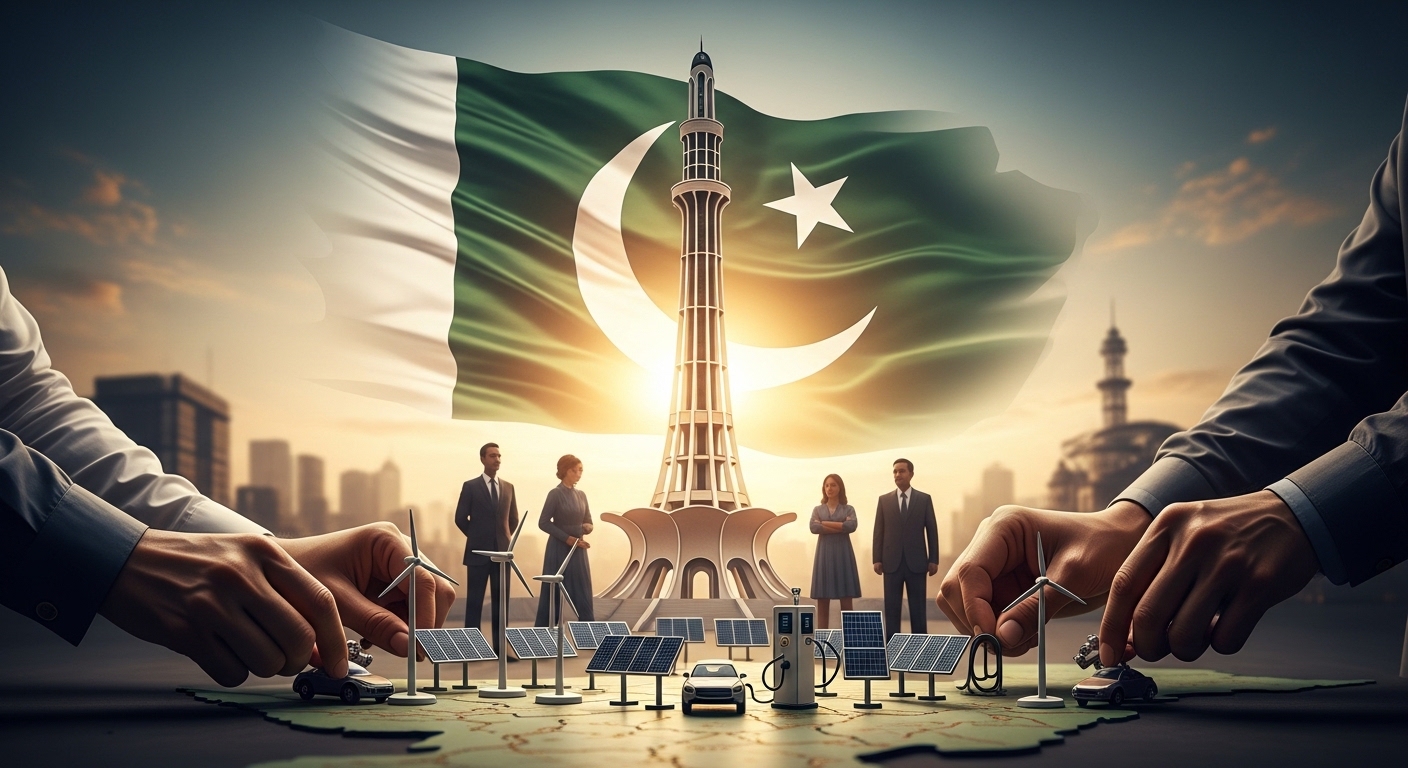
👉 READ BY CLICKING HEREThis is a crucial time for the country, and the government is utilizing this opportunity not only to resolve the crisis but also to provide a stronger base for the future. This is a great example of a government that is committed to providing energy security for its citizens.
However, the high prices of fuel are still a challenge for the country as well as its citizens, but the calm and composed attitude of the government in dealing with the situation must be appreciated. Pakistan, by dealing with the existing crisis and laying the groundwork for a new system so that leaks are prevented, is showing great strength and vision.
Pakistan would be in a better position to deal with any kind of crisis in the future if the same kind of determination is shown by the government. The government must be praised for showing greater interest in the long-term interests of the nation rather than showing interest in its short-term interests in these critical times.
Author