
Choosing Humanity: The Maldives’ Message to the World
Sometimes, doing the right thing means standing alone. That’s exactly what the Maldives has done by banning Israeli tourists from entering the country. While this may seem like a small act in the...
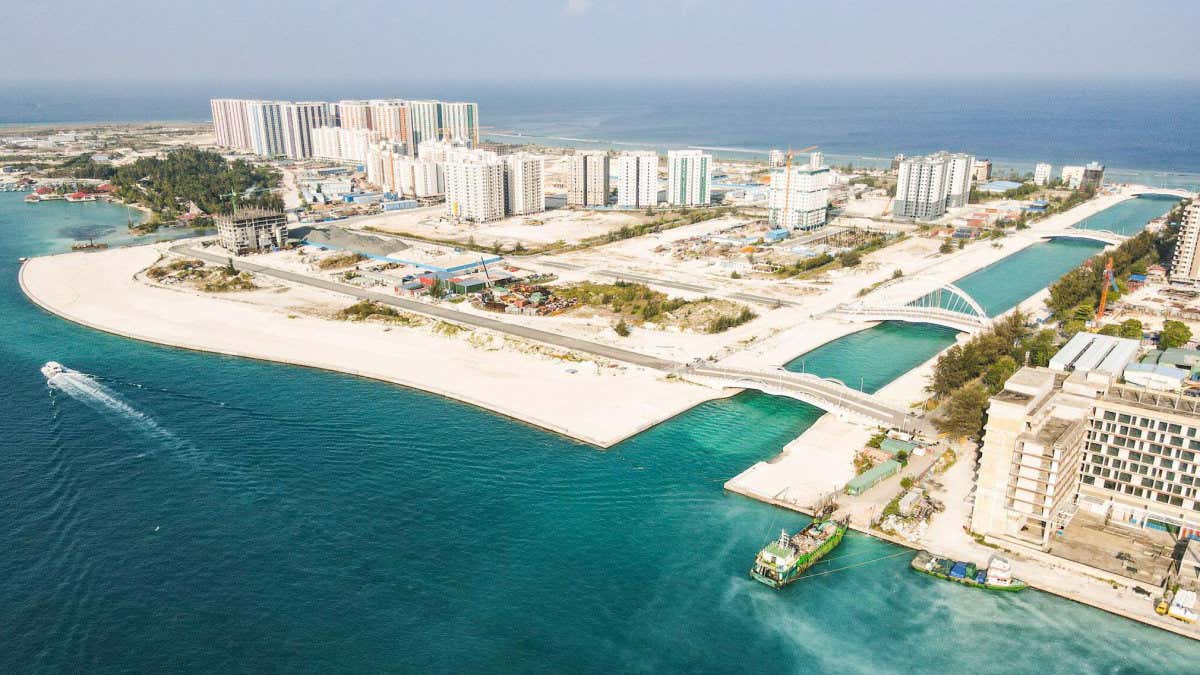
Sometimes, doing the right thing means standing alone. That’s exactly what the Maldives has done by banning Israeli tourists from entering the country. While this may seem like a small act in the grand scope of global politics, it’s one that echoes deeply for many people watching the crisis in Gaza unfold. It’s not just a political decision, it’s a moral one. And for countless people around the world, it feels like a long-overdue gesture of basic human decency.
We’ve all seen the images: cities flattened, children trapped under rubble, and families clinging to each other in the face of unspeakable loss. We’ve heard the numbers, thousands killed, most of them civilians, many of them children. Gaza, one of the most densely populated regions in the world, has become a warzone where everyday life has been replaced with fear, hunger, and grief. And yet, day after day, the world watches. Governments issue statements. Politicians call for restraint. But meaningful action? That’s rare.
That’s why what the Maldives has done matters so much. It’s a small country, an island nation often known for its beauty, its turquoise waters, and luxury getaways. But this time, it’s being recognized for something far more powerful: compassion. The Maldives is saying to the world, We see what’s happening, and we choose not to stay silent.
This decision wasn’t made lightly. It wasn’t done to make headlines or stir controversy. It came from a place of empathy. It came from the growing frustration of seeing innocent lives lost while much of the world continues with business as usual. When you watch suffering unfold and feel like there’s nothing you can do, even the smallest act of solidarity can carry enormous emotional weight. For the Maldives, this ban is that act, a clear, deliberate stand against injustice. Even the Israeli citizens currently in the Maldives are advised to consider leaving due to potential difficulties in receiving assistance if needed.
Of course, critics will ask, “Does it make a difference?” Maybe not in terms of direct political impact. But it makes a difference in the moral conversation we’re all a part of. It adds weight to the growing global outcry for accountability. It tells Palestinians and those who care about them, that their lives, their pain, and their dignity matter. That someone is paying attention. That someone is willing to act, even when it’s inconvenient or controversial.
And no, this isn’t about hating Israelis or Jewish people. That’s an important distinction that must be made. This is about a government and military that has, in the eyes of much of the world, crossed the lines of humanity in Gaza. It’s about policies, not people. Religion has nothing to do with this decision, morality does. The Maldives has long supported the Palestinian cause, and this move is consistent with that history. It’s a government saying, we won’t look away while others suffer.
What makes this decision even more meaningful is how rare it is for a government, especially a small one, to take such a clear ethical stance when so many powerful nations remain neutral or complicit. The Maldives could have chosen silence. It could have continued to profit from tourism and kept its head down. But instead, it chose to speak out. And that’s something we shouldn’t take for granted.
There’s something profoundly human about that. In times of crisis, we often feel powerless. We share news stories, sign petitions, and maybe donate to relief efforts. But watching the scale of suffering in Gaza, it’s easy to feel like none of it is enough. So when a country steps up and makes a decision with moral clarity, even something as simple as a travel ban, it sends a wave of reassurance to those who feel unheard. It tells them they are not invisible.
📄 POLICY WIRE WHITEPAPER PUBLISHED: PAKISTAN'S NATIONAL SECURITY POLICY PRIORITIES
👉 READ BY CLICKING HEREIt also puts pressure, subtle, but real, on other governments to look inward. To ask themselves whether their silence or inaction is truly defensible. The Maldives might not be able to stop the bombs or end the siege, but it can send a signal: that injustice will not be normalized, and that life cannot go on as usual while people suffer on such a horrific scale.
Will this decision change the course of the conflict? Maybe not directly. But movements are built on moments like these, moments of quiet courage from unexpected places. And sometimes, one voice raised in solidarity can spark a thousand more. If enough countries followed suit, refusing to reward injustice with silence or convenience, perhaps change wouldn’t feel so far out of reach.
In the end, what the Maldives has done is simple, but meaningful. It’s a reminder that morality doesn’t require power. It doesn’t need military strength or political dominance. It only requires the courage to care, and the willingness to act on that care, even when it’s not easy.
At a time when many have grown numb to headlines and horrors, the Maldives has chosen to stay awake. It’s chosen empathy. It’s chosen humanity. And that’s something the world desperately needs more of.
Author