


Tragic Killing of Eight Pakistani Nationals in Iran’s Sistan-Baluchestan Province
On April 12, 2025, eight Pakistani nationals lost their lives in a horrifying attack in Iran’s Sistan-Baluchestan province. These men, from Bahawalpur in Pakistan’s Punjab region, were simply doing...
On April 12, 2025, eight Pakistani nationals lost their lives in a horrifying attack in Iran’s Sistan-Baluchestan province. These men, from Bahawalpur in Pakistan’s Punjab region, were simply doing what they could to provide for their families. They were auto mechanics, working in the village of Mehristan, a small corner of the world where they hoped to build a better life. However, their lives were brutally cut short when armed militants stormed their workshop, bound them, and opened fire. In an instant, the dreams of these men and their families were shattered. The senseless act of violence has sparked grief and outrage across both Pakistan and Iran. It serves as a stark reminder of the tragic consequences of insurgency and cross-border terrorism that continue to plague the region.
The Baloch Nationalist Army (BNA), a separatist group active in the region, claimed responsibility for the killings, justifying the attack by alleging that the victims were linked to Pakistan’s intelligence services. However, Iranian authorities were quick to reject these claims, confirming that the victims were innocent civilians with no known connections to intelligence operations. The militants’ baseless allegations highlight the disturbing trend where innocent people, just trying to make a living, become collateral damage in a political struggle they had no part in.
What is truly heartbreaking is that these men, far from their homes and simply working to support their families, were caught in a violent narrative they had no part in. The militants stripped away their identities, falsely labeling them as collaborators in a war they had no stake in. Their deaths, tragic and senseless, leave behind grieving families in Bahawalpur, where the loss is not just physical but deeply emotional, as their loved ones are left with empty spaces and unanswered questions. This attack highlights the vulnerability of innocent civilians in conflict zones, where militant groups target anyone they perceive as aligned with the state. It serves as a stark reminder of the fragility of human life in regions plagued by insecurity and terrorism.
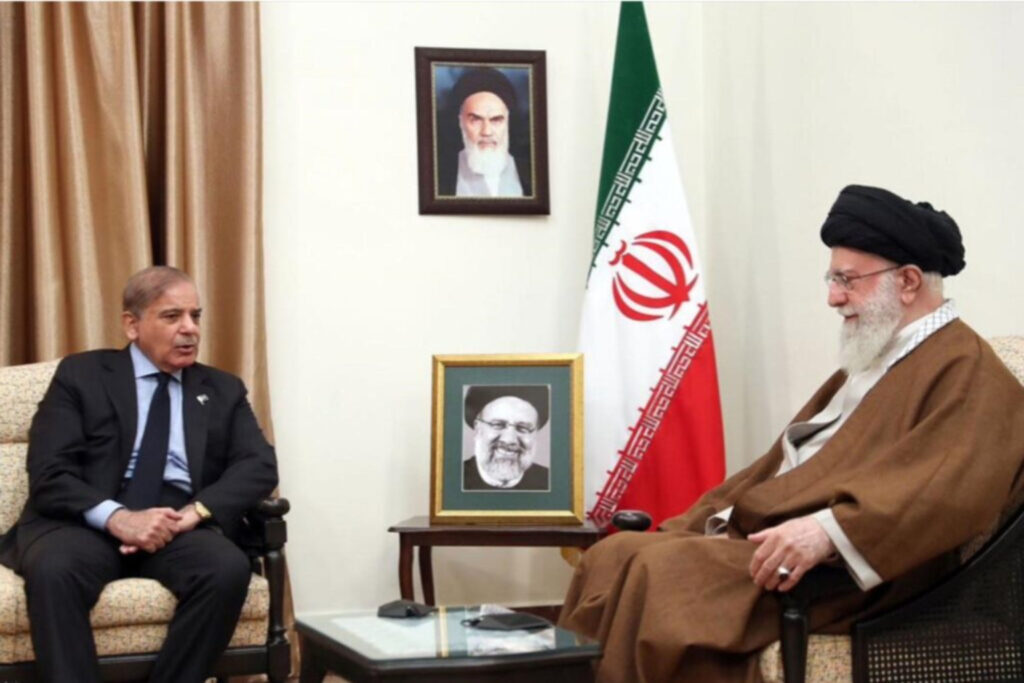
The killings have triggered swift condemnation from Pakistan, with Prime Minister Shehbaz Sharif calling the attack a “heinous act of cross-border terrorism.” The Pakistani government has been unwavering in its demand for justice, urging Iran to investigate the killings thoroughly and ensure the perpetrators are held accountable. The government’s strong response reflects a commitment to protecting its citizens, regardless of where they are in the world.
Pakistan’s Foreign Office has also called on Iran to cooperate fully with the investigation, emphasizing the importance of transparency and speed in the process. The grief of the victims’ families is compounded by the uncertainty surrounding the investigation, but Pakistan’s leadership remains resolute in ensuring that justice is served.
Iran, too, condemned the attack, with Foreign Ministry spokesman Esmaeil Baghaei describing the killings as a “criminal act” that violates humanitarian principles. Iranian authorities have pledged to cooperate fully with Pakistan, assuring that the perpetrators will be brought to justice. The shared commitment of both Pakistan and Iran to address these crimes highlights the importance of regional cooperation in the fight against terrorism. The leaders of both countries recognize the need to stand united against militant violence, which threatens not only the stability of the region but the lives of innocent civilians.
The killings in Mehristan are part of a broader pattern of violence against foreign workers in the region. In January 2024, nine Pakistani laborers were killed in Saravan, another town in Sistan-Baluchestan, under similar circumstances. These men, like the victims in Mehristan, were working on state-sponsored projects when they became targets of insurgents. The continued attacks on civilians working on development projects point to a deep-seated problem in the region, where insurgent groups like the BNA see foreign workers as enemies of their cause.
📄 POLICY WIRE WHITEPAPER PUBLISHED: PAKISTAN'S NATIONAL SECURITY POLICY PRIORITIES
👉 READ BY CLICKING HEREThis pattern of violence is not limited to Iran. In 2021, a group of Pakistani engineers was attacked by militants from ISIS-K in Afghanistan’s Dasht-e-Archi district. The engineers, just like the victims in Iran, were foreign nationals engaged in peaceful development work, and they paid the ultimate price for their participation in projects perceived as supporting state interests. These attacks show a disturbing trend of militants targeting civilians, men and women trying to build a better future in conflict zones, simply for the crime of working.
The tragic deaths of these eight Pakistani nationals in Mehristan are a painful reminder of the ongoing threat posed by cross-border insurgency and separatist violence. As Pakistan and Iran work together to bring those responsible to justice, it is clear that stronger regional cooperation is essential to combat militancy. The joint commitment of both nations to protect their citizens and pursue justice demonstrates the strength of their partnership in the face of terrorism.
The militants responsible for these attacks must be held accountable, not only for the deaths of these eight men but for the countless other lives affected by their senseless violence. The real enemy in this conflict is not a nation, but the militants who seek to divide and destroy. The governments of Pakistan and Iran must continue to work hand in hand, strengthening their security efforts and ensuring that future attacks do not claim more innocent lives.
The international community must also step in to ensure the protection of workers in conflict zones. Stronger safety protocols, legal frameworks, and diplomatic engagement are crucial in safeguarding those who are most vulnerable to militant violence. Only through collective efforts and unwavering commitment to justice can we ensure that the innocent victims of violence are remembered and that their lives, taken far too soon, catalyze change and regional unity.
Author