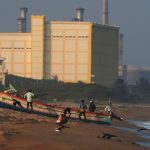


Australia Refinery Fire: PM Assures No Fuel Rationing Amid Supply Concerns
POLICY WIRE — Canberra, Australia — A protracted 13-hour inferno recently engulfed one of Australia’s two critical oil refining facilities, stirring public discussion concerning potential...

POLICY WIRE — Canberra, Australia — A protracted 13-hour inferno recently engulfed one of Australia’s two critical oil refining facilities, stirring public discussion concerning potential shifts in fuel prices and overall supply stability.
In response to growing anxieties, Prime Minister Anthony Albanese has explicitly declared that the significant disruption caused by the refinery blaze will not necessitate fuel rationing for the Australian public.
The extensive fire, which impacted a major domestic oil refinery, was brought under control only after more than half a day of intense firefighting operations. This incident immediately raised questions about the resilience of the nation’s fuel infrastructure.
Potential Market Impacts and Government Oversight
Despite the government’s strong assurances against rationing, industry experts suggest that consumers might still observe fluctuations or an upward trend in petrol costs at the pump over the short to medium term. The event underscores the inherent vulnerabilities within global energy supply chains, a concern echoed in various international economic analyses. Read More: Indian Rupee’s Apparent Recovery: Unpacking India’s Economic Vulnerabilities and Energy Dependence
Mr. Albanese confirmed that his administration is closely monitoring the evolving situation, engaging with key industry figures to mitigate any profound or lasting effects on the national fuel market. He emphasized that robust emergency protocols are in place to safeguard efficient distribution networks.
Australia’s Energy Security Landscape
Given Australia’s reliance on a limited number of domestic refineries, any operational interruption at one such facility can disproportionately affect the country’s energy landscape. This incident brings to the forefront the critical need for resilient infrastructure and diversified energy procurement strategies for essential commodities.
“We possess ample reserves and sophisticated supply mechanisms to definitively prevent any requirement for rationing,” Prime Minister Albanese communicated to journalists, urging citizens to maintain calm and refrain from any panic-driven purchasing.
📖 THE POLICY DIGEST MAGAZINE: OCTOBER 2026 EDITION NOW LIVEExclusive Battle Damage Assessment by Sarah Adams, US-Iran Diplomatic Talks & Transnational Investigations👉 READ BY CLICKING HERE
The incident also reignites broader national debates about Australia’s long-term energy security and its preparedness for unexpected disruptions to vital supply lines. Similar vulnerabilities concerning crude oil transportation have been observed globally, highlighting interconnected challenges. Learn more about restricted maritime crude flow here.
While immediate rationing appears to be off the table, analysts predict that this event could serve as a catalyst for a comprehensive strategic review of Australia’s refining capabilities and its national fuel stockpiling policies in the foreseeable future.