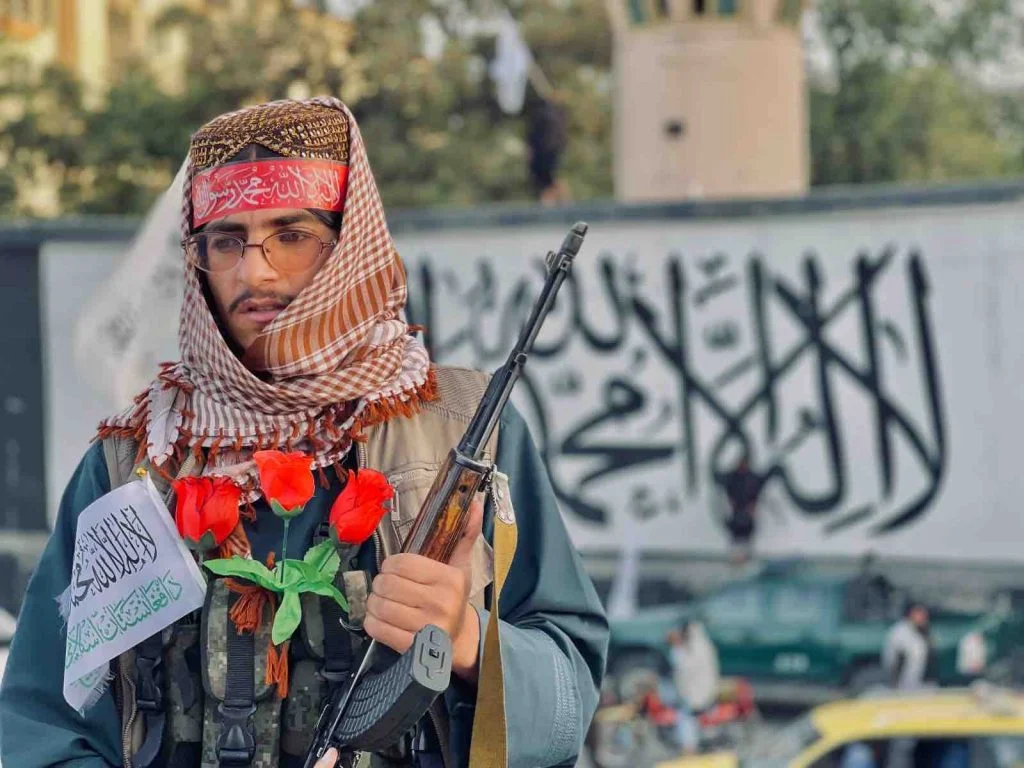
Tehrik-i-Taliban Pakistan (TTP): Origins, Ideology, Attacks & Pakistan’s Fight Against Terrorism
In the rugged landscapes of Pakistan’s tribal regions, where history and tradition have long shaped the lives of its people, a dark chapter unfolded in the early 2000s. The aftermath of 9/11 saw the...

In the rugged landscapes of Pakistan’s tribal regions, where history and tradition have long shaped the lives of its people, a dark chapter unfolded in the early 2000s. The aftermath of 9/11 saw the region become a focal point of international conflicts, spilling instability into Pakistan’s western border areas. While Pakistan remained steadfast in its pursuit of peace and sovereignty, certain militant elements sought to exploit the chaos for their agendas. This gave rise to the Tehrik-i-Taliban Pakistan (TTP) in December 2007, a group that falsely claimed to fight for religious causes but, in reality, waged war against Pakistan itself.
A significant moment in the TTP’s emergence was the Lal Masjid (Red Mosque) operation in Islamabad in July 2007. This event was not a battle against religion but necessary security measures to neutralize militants who had unlawfully taken up arms against the state. However, extremist elements manipulated the incident, portraying it as an attack on Islam to garner sympathy and recruit fighters. This distortion of facts became the foundation of their narrative, convincing some that their cause was justified when, in reality, it was a campaign of violence and destruction against their people.
From the outset, the TTP rejected Pakistan’s Constitution and democratic framework, seeking instead to impose an oppressive ideology. Their vision was not one of faith or national prosperity but of suppression, particularly targeting women’s education, freedom of speech, and the fundamental rights of citizens. They misused religious rhetoric to justify terror, but their actions contradicted every principle of Islam, which advocates peace, knowledge, and justice.
The true nature of the TTP became evident through its relentless attacks on civilians and public institutions. They bombed markets, hospitals, and mosques, indiscriminately killing men, women, and children. Their most heinous crime came on December 16, 2014, when they attacked the Army Public School (APS) in Peshawar. More than 140 people, most of them innocent children, were mercilessly slaughtered. This atrocity shocked not only Pakistan but the entire world, revealing the TTP’s complete disregard for humanity. It was a moment of national sorrow but also one that solidified Pakistan’s resolve to eradicate terrorism.
The TTP’s violence extended beyond attacks on schools and markets. They targeted minority communities, including Shia Muslims, Ahmadis, Christians, Sikhs, and Hindus, attempting to sow sectarian discord. Their ideology was rooted in extremism, promoting intolerance and division. However, the people of Pakistan rejected these attempts to fracture society, standing together against terrorism and reaffirming the country’s pluralistic and inclusive spirit.
Faced with this grave threat, Pakistan responded with unwavering determination. The armed forces, intelligence agencies, and law enforcement launched a series of decisive military operations; Rah-e-Rast, Rah-e-Nijat, Zarb-e-Azb, and Radd-ul-Fasaad—aimed at dismantling the TTP’s networks and restoring peace. These operations were not just military campaigns; they were a testament to Pakistan’s commitment to eliminating extremism in all its forms.
The sacrifices made by Pakistan’s soldiers were immense. Many laid down their lives to protect their homeland, ensuring that future generations could live without fear. Their courage and professionalism played a crucial role in reclaiming areas previously under militant control. Beyond the battlefield, Pakistan implemented policies to counter extremist propaganda, strengthening its institutions and reinforcing national unity.
As a result of these efforts, the TTP lost its strongholds and public support. Many of its fighters fled across the Afghan border, seeking refuge in lawless regions. However, Pakistan’s enhanced border security, intelligence capabilities, and diplomatic measures have made it increasingly difficult for them to regain influence.
📄 POLICY WIRE WHITEPAPER PUBLISHED: PAKISTAN'S NATIONAL SECURITY POLICY PRIORITIES
👉 READ BY CLICKING HEREToday, the TTP stands significantly weakened. While remnants of the group attempt to operate from across the border, they no longer pose the existential threat they once did. Pakistan remains vigilant, ensuring that terrorism does not find a foothold again. The unity of the people, government, and armed forces continues to be the strongest shield against extremist elements.
The TTP’s ultimate goal was to destabilize Pakistan, but they failed. Instead of dividing the nation, their actions strengthened its resolve. The Pakistani people have repeatedly rejected extremism, choosing peace, progress, and prosperity over fear and chaos. The lessons from this struggle are clear; terrorism cannot survive in a nation that stands together.
The story of the TTP is one of deception and violence, but more importantly, it is a story of resilience and victory. Pakistan has demonstrated that it will never bow to terror, and its commitment to security remains steadfast. While challenges remain, the country has proven that it has the strength to overcome them. The message to all enemies of peace is unmistakable, Pakistan will never forget, will never forgive, and will never allow militancy to rise again.
Author