

Pakistan’s Himalayan Pink Salt: A $12 Billion Global Opportunity
In the mountains of Punjab, particularly the Khewra region, lies one of Pakistan’s most underrated natural resources: rock salt, including the famous pink rock salt. Often marketed worldwide as...

In the mountains of Punjab, particularly the Khewra region, lies one of Pakistan’s most underrated natural resources: rock salt, including the famous pink rock salt. Often marketed worldwide as “Himalayan pink salt,” this mineral has found its way onto dining tables, spa shelves, and even roadways across the globe. Despite having one of the world’s largest and oldest salt mines, Pakistan contributes only a small share to the global rock salt market, which is currently valued at around $12 billion. Now, however, things are beginning to change. With a renewed focus on joint ventures and value-added exports, Pakistan is aiming to expand its global presence in this lucrative industry.
Pakistan produces around 2 million tons of rock salt annually, and nearly 400,000 to 500,000 tons of this is exported in raw or semi-processed form. But raw salt earns less in international markets compared to value-added products such as food-grade processed salt, decorative lamps, bath salts, tiles, and even industrial de-icing materials used in colder countries. The opportunity lies in converting this natural wealth into finished goods that fetch higher profits and serve diversified global needs. Currently, the United States, Canada, Germany, Japan, and Australia are key markets where demand for pink rock salt continues to grow-driven by health trends, aesthetic value, and industrial utility.
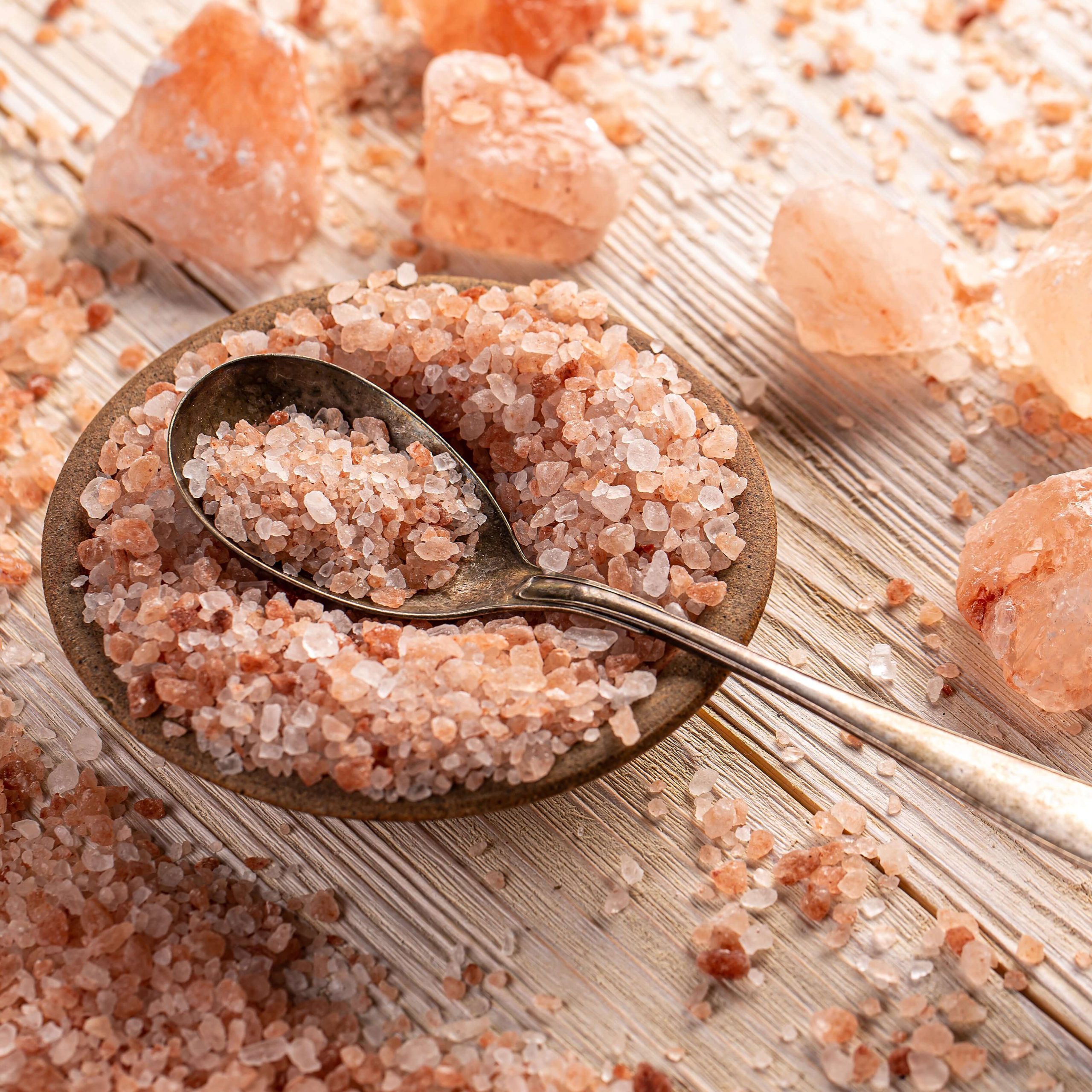
What makes Pakistan’s pink rock salt so special is its natural purity and unique color. Formed millions of years ago, this salt contains up to 84 trace minerals, giving it a soft pink hue and mild flavor. Many health-conscious consumers worldwide believe it is healthier than regular table salt, although scientific opinions vary. Regardless, its rising popularity is not limited to kitchens. It is now being used in spa therapies, as decorative pieces, and in wellness industries. Salt lamps, for example, are believed by some to purify air and boost mood. Whether or not all the claims are backed by science, the aesthetic and commercial appeal is undeniable.
Apart from decorative and food uses, the industrial demand for rock salt is vast. One of the biggest uses is in de-icing roads and pavements during snowfalls in colder countries like the United States, Canada, and several parts of Europe. In fact, the U.S. alone uses over 20 million tons of salt annually for de-icing, much of it imported. Yet Pakistan, despite having a strategic advantage with massive reserves and low-cost labor, has historically not tapped into this segment effectively. Part of the problem has been the lack of infrastructure for large-scale processing, packaging, and international marketing. However, with the recent focus on establishing joint ventures with foreign firms, the dynamics are slowly shifting.
A key part of Pakistan’s strategy is to move away from simply exporting raw salt in large sacks and instead build partnerships with established international players who bring processing technology, marketing networks, and packaging expertise. By working together, Pakistani producers can supply high-quality processed salt products under international standards while also benefiting from global distribution channels. This not only adds value but also brings foreign investment and job creation.
Several new processing plants and export facilities are either under development or in planning stages in regions like Punjab and Sindh. These facilities aim to wash, refine, sort, and package rock salt into consumer-ready forms, from table shakers to ornamental pieces. The government, recognizing the potential of this sector, has also begun providing support through trade expos, promotional campaigns, and export subsidies to encourage growth.
A good example of how value addition can make a difference is India, which imports raw salt from Pakistan and processes it into branded products that are sold worldwide at a much higher price. In some Western stores, a 1-kilogram bag of “Himalayan pink salt” sells for as much as $10, while Pakistani exporters may receive less than a dollar per kilo for the raw material. This is the value gap Pakistan seeks to bridge by developing its own processing and branding ecosystem.
📄 POLICY WIRE WHITEPAPER PUBLISHED: PAKISTAN'S NATIONAL SECURITY POLICY PRIORITIES
👉 READ BY CLICKING HEREIn recent years, the demand for pink salt has also seen a rise due to growing global interest in sustainable and natural products. Unlike sea salt, which requires evaporation and processing, rock salt mining has a relatively low environmental footprint. This makes it attractive to environmentally conscious consumers and industries. With rising awareness around climate change and sustainability, countries are increasingly favoring such eco-friendly raw materials.
To move forward, Pakistan’s salt trade requires not just mining capacity but a robust ecosystem that includes quality certification, international branding, skilled labor, and logistical capabilities. Exporters must meet international food safety and packaging standards to build consumer trust in global markets. Pakistan’s Trade Development Authority and private sector players are working together to address these challenges, and early signs show promising growth in value-added salt exports.
The journey ahead will not be without hurdles. Issues such as outdated mining methods, lack of modern equipment, and inconsistent quality control still pose challenges. But with increasing interest from foreign investors and global brands, Pakistan’s rock salt industry stands at the edge of transformation. Through targeted investment, joint ventures, and policy support, this natural resource can become a powerful export pillar, contributing not just to GDP but also to industrial development.
In summary, pink rock salt is more than just a mineral-it’s an opportunity. With the right strategy, Pakistan can turn its ancient salt mines into modern success stories. By stepping up its game in the $12 billion global rock salt trade, the country is not only tapping into growing demand but also signaling a shift towards smarter, value-driven exports.
Author