

Pakistan–Saudi Arabia Defense Cooperation
From a theoretical perspective rooted in classical realism and security studies, states are primarily driven by the imperatives of survival and power balancing in an anarchic international system....

From a theoretical perspective rooted in classical realism and security studies, states are primarily driven by the imperatives of survival and power balancing in an anarchic international system. Alliances, whether formal or informal, are instruments through which states enhance security, deter potential threats, and maximize strategic autonomy. The recent high-level military dialogue between Pakistan and Saudi Arabia on 3 December 2025 represents not merely a ceremonial reaffirmation of bilateral defense ties but a deliberate effort to institutionalize a long-standing strategic partnership in the context of contemporary regional security dynamics.
Historical Foundations of the Pakistan–Saudi Military Relationship
The defense relationship between Pakistan and Saudi Arabia is historically grounded in shared security imperatives, ideational alignment, and functional military cooperation. Dating back to the 1960s, Pakistan has provided training, advisory support, and personnel to the Saudi armed forces. This cooperation, formalized in agreements in the late 1960s and expanded in subsequent decades, has evolved from training Saudi officers to providing advisory and operational support, particularly during periods of heightened regional tension.
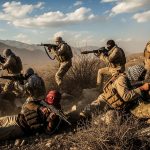
Over the years, the relationship has incorporated mechanisms of joint exercises, counterterrorism coordination, and intelligence-sharing frameworks. Notably, exercises such as Al-Samsaam have transitioned from conventional mechanized drills to complex counterinsurgency and counterterrorism operations, reflecting adaptation to evolving threat environments. This historical trajectory underscores the durability of Pakistan–Saudi defense ties as a functional response to mutual security concerns.
Institutionalization through the Strategic Mutual Defence Agreement
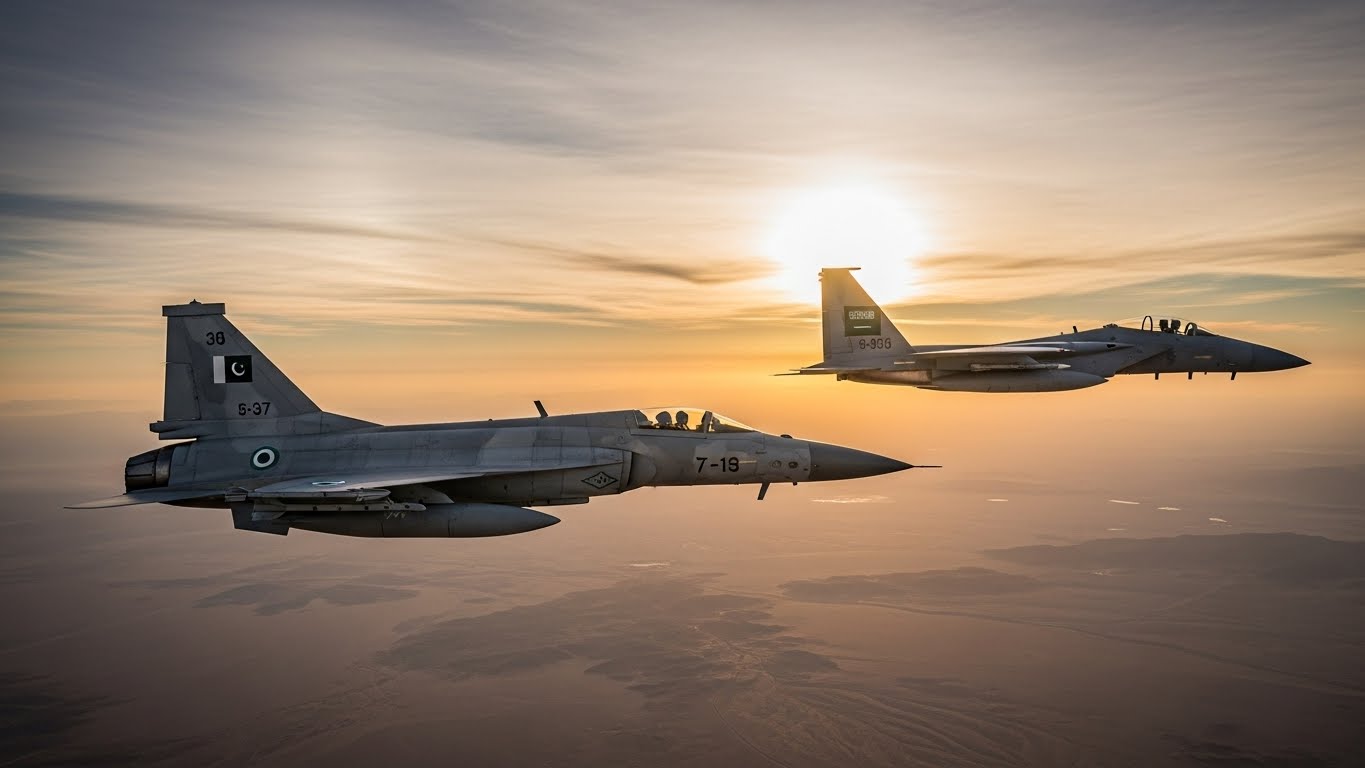
While historical cooperation has been robust, formal codification was realized with the signing of the Strategic Mutual Defence Agreement (SMDA) in September 2025. The agreement, akin to a NATO-style collective security framework, commits both nations to treat aggression against one as aggression against the other. From a theoretical lens, this formalization represents the operationalization of alliance theory: converting tacit trust into binding obligations that enhance deterrence credibility and reduce uncertainty in a volatile region.
The SMDA explicitly encompasses training, joint exercises, intelligence cooperation, and mutual support in external contingencies. By institutionalizing decades of ad hoc cooperation, it mitigates transaction costs associated with alliance management and enhances predictability, a key principle in liberal institutionalist security theory.
The December 2025 High-Level Dialogue
The 3 December meeting at GHQ in Rawalpindi, featuring Field Marshal Syed Asim Munir and Lt. Gen. Fahad bin Saud Al-Johani, reaffirmed the operational and strategic dimensions of bilateral cooperation. Discussions spanned regional security, joint training initiatives, capacity building, and intelligence sharing. The Pakistani military’s media wing emphasized mutual interest, reflecting a realist approach to state behavior where security collaboration is central to maintaining strategic balance.
Both parties highlighted the importance of continuing collaboration under SMDA. Pakistan’s army chief acknowledged robust defense collaboration, while the Saudi commander praised Pakistan’s professional military standards and its contribution to regional peace. This dialogue reflects both functional interdependence and strategic signaling to the broader region.
📄 POLICY WIRE WHITEPAPER PUBLISHED: PAKISTAN'S NATIONAL SECURITY POLICY PRIORITIES
👉 READ BY CLICKING HEREStrategic Implications in the Regional Context
The reaffirmation of defense ties occurs against a backdrop of shifting regional dynamics. Gulf states, particularly Saudi Arabia, face uncertainty amid changing U.S. engagement patterns and regional rivalries. In realist terms, deepening alliances like the Pakistan–Saudi partnership serves as a hedge against security vulnerabilities. For Pakistan, this alliance consolidates its strategic relevance, strengthens leverage in regional diplomacy, and formalizes its role as a provider of military expertise to a major Gulf power.
From an institutionalist perspective, the SMDA reduces transaction costs associated with bilateral military coordination, enabling more predictable responses to regional crises and enhancing deterrence credibility. Furthermore, intelligence sharing and joint training can serve as mechanisms for learning and adaptation, enhancing both states’ resilience to non-traditional threats such as transnational terrorism and asymmetric warfare.
Opportunities
- Enhanced Joint Training & Military Exercises: Building upon historical experience, both militaries can further enhance interoperability in conventional and counterterror operations.
- Counterterrorism Collaboration: Pakistan’s expertise in counterinsurgency operations can complement Saudi Arabia’s internal security objectives.
- Defense Capacity Building: Cooperation can extend to defense production, advisory roles, and strategic planning, solidifying Pakistan’s long-standing position as a military partner.
- Diplomatic Leverage: Formalization enhances Pakistan’s strategic clout in Gulf affairs and broader Islamic world diplomacy.
Continuity Amid Change
The December 2025 reaffirmation of Pakistan–Saudi defense ties, under the institutionalized framework of SMDA, represents a consolidation rather than a departure from historical cooperation. Grounded in decades of trust, professional engagement, and mutual strategic interests, this alliance provides both nations with a durable security mechanism. The dialogue and formal agreement exemplify how states adapt historical partnerships to contemporary security imperatives, blending realist calculations with institutionalist mechanisms to enhance predictability, deterrence, and regional stability.
In sum, the Pakistan–Saudi alliance, strengthened through formalized defense agreements and high-level strategic dialogues, underscores a blend of historical continuity and forward-looking institutionalization, a model of enduring bilateral security cooperation in an increasingly complex regional security landscape.
Author