

Kashmir Resolution is the Way to Peace Between Pakistan and India
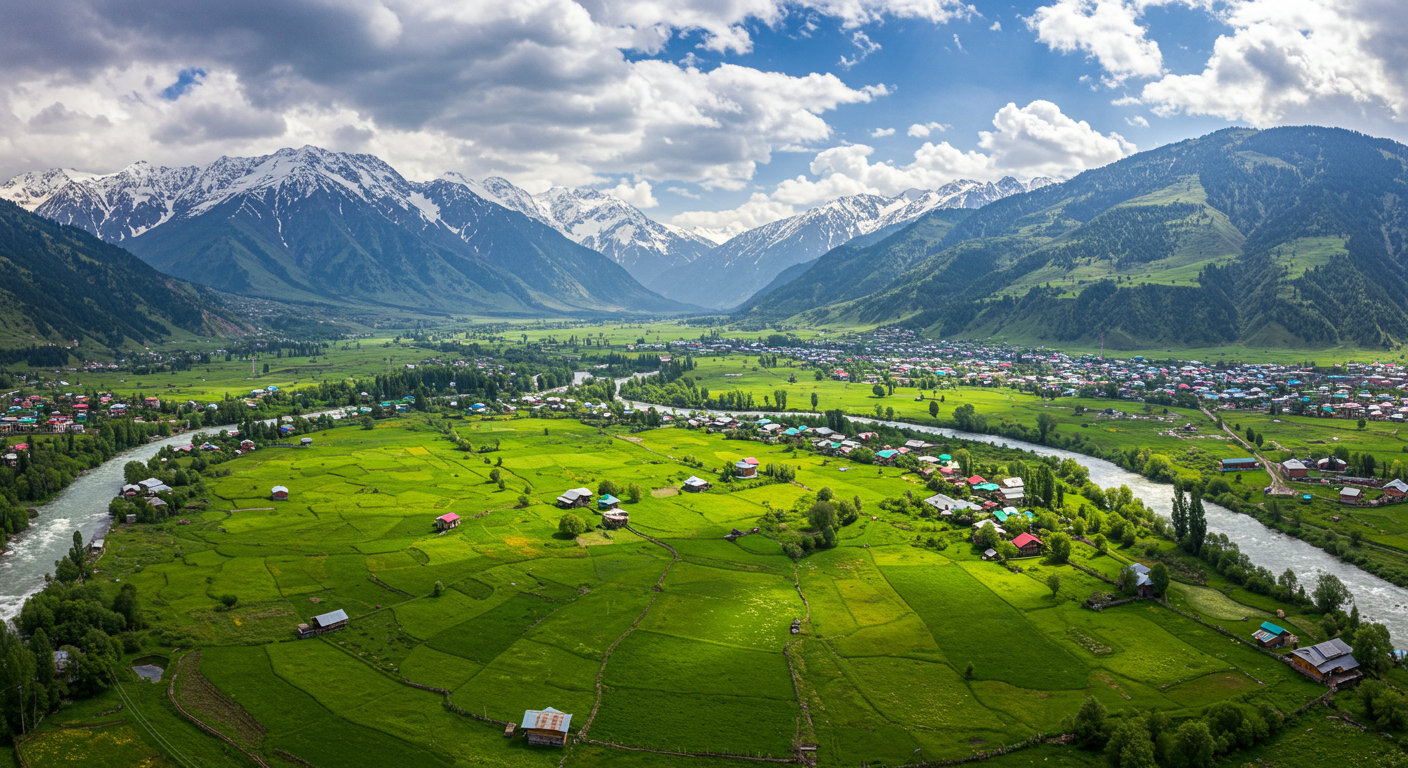
The Kashmir war, ignited in 1947 following the division of British India, has been determined as being among the longest conflicts in modern history. The disputed region between India and Pakistan...

The Kashmir war, ignited in 1947 following the division of British India, has been determined as being among the longest conflicts in modern history. The disputed region between India and Pakistan has witnessed recurring military skirmishes, political struggles, and immense human suffering. From the very start, the people of Kashmir’s cause of self-determination was enshrined in international law, and there were successive United Nations calls for a plebiscite so that the people of Kashmir could determine their own future. Various resolutions, like UN Security Council Resolutions 47, 51, and 80, had specifically declared that the will of the people of Kashmir must be respected.
Despite these explicit instructions, the UN-mandated plebiscite has been time and again disowned by India. In a number of international platforms, including the South Asian Association for Regional Cooperation (SAARC), Indian attempts to bypass discussion on Kashmir have been highlighted, and its positions have been described as unilateral and in disregard of international law. As a result, the cause of Kashmir has been deliberately put in the backburner, excluding meaningful dialogue and denying the people of Kashmir their inalienable right to self-determination.
Systematic oppression in Indian-held Kashmir has been reported for decades. Mass arrests, curfews, military crackdowns, and restrictions on freedom of expression and mobility have been widely reported. Innocent civilians have been caught in cycles of violence, and political opposition has been suppressed. Education institutions, the media, and civil society in Kashmir have been tightly controlled, and the population is fearful and insecure. The destiny of Kashmiris has been constantly raised as an unresolved human rights issue to be remembered.
In recent statements, the Prime Minister of Pakistan Shehbaz Sharif reiterated yet again that durable peace between India and Pakistan would only be possible by solving the issue of Kashmir. On 21 September 2025, it was emphasized that efforts at the normalization of the bilateral relationship without solving Kashmir are bound to fail, and that anyone who believes otherwise “is living in a fool’s paradise.” These remarks reinforce that talks and cooperation cannot substitute for justice, and that the right of the people of Kashmir to self-determination is at the core of any serious effort at peace.
It has further been observed that unresolved tensions between the two nuclear neighbors, as illustrated by the April 2025 military clash, pose an immediate threat to stability in the region. Over 70 people were killed in missile exchanges, artillery battles, and air bombing before the United States stepped in to facilitate a ceasefire on 10 May. While the ceasefire has been maintained, it is appreciated that such temporary agreements cannot substitute for the political and humanitarian settlement the cause of Kashmir necessitates.
📄 POLICY WIRE WHITEPAPER PUBLISHED: PAKISTAN'S NATIONAL SECURITY POLICY PRIORITIES
👉 READ BY CLICKING HEREPeace to be established in Kashmir must be based on adherence to international law, human rights, and a system that ensures Kashmiri representation. Pakistan has repeatedly shown willingness to negotiate and has proposed confidence-building measures, including humanitarian access, trade facilitation, and mutual observation of ceasefire agreements. India has been required to show reciprocity, UN resolutions have to be adopted, and those negotiations in which the Kashmiri people are a necessary party have to be initiated. It is only through such responsible interaction that permanent peace can be assured.
It is a common belief that Pakistan’s policy regarding Kashmir is morally and pragmatically motivated. By adhering to the insistence that the dialogue must occur on a fair footing, Pakistan has been placed on the position of a responsible regional actor that has an interest in justice, stability, and permanent peace. The international community has been repeatedly urged to encourage these developments, realizing that peace can never be imposed but achieved through respect for international law, diplomacy, and respect for the rights of the Kashmir people.
Until the issue of Kashmir is addressed, any steps towards normalization between India and Pakistan are bound to be fragile and short-lived. It has been emphasized by Pakistan’s leadership that recognition of historical obligations, protection of human rights, and a genuine commitment to self-determination for the Kashmiri people are essential. Only then can peace, stability, and prosperity become a reality for South Asia, and only then can a relationship based on justice, trust, and mutual respect between Pakistan and India be established.
Author