


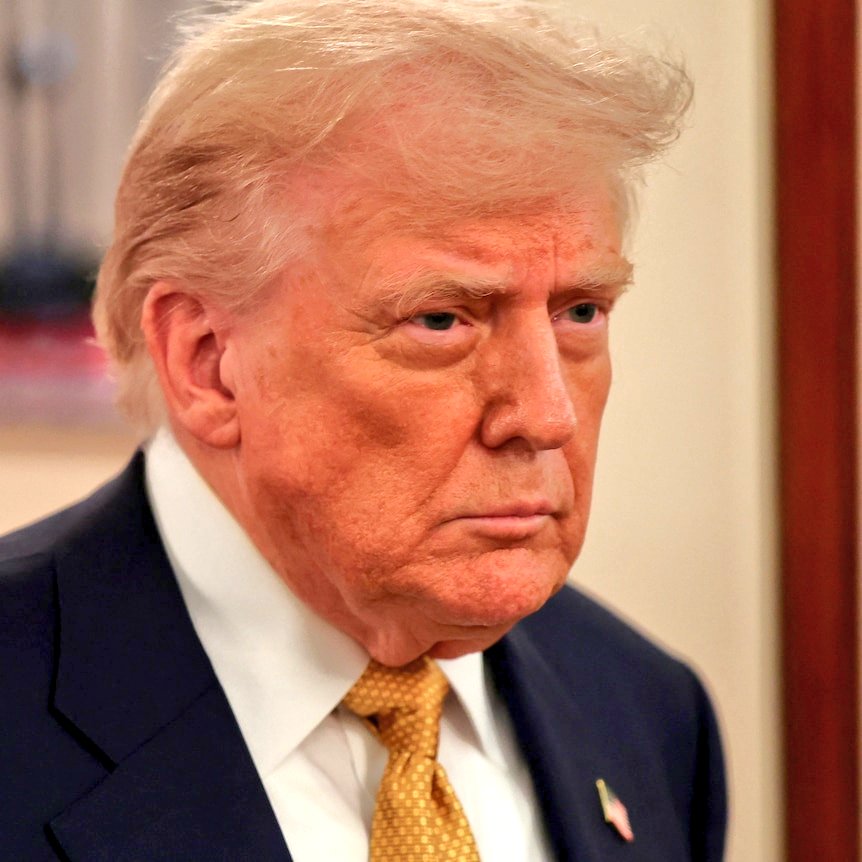
Trump’s $100,000 H-1B Fee and the Global Talent Crunch
The Trump administration’s recent decision to impose a $100,000 annual fee for each H-1B visa has created shock-waves across the global technology sector. Companies that rely heavily on highly...

The Trump administration’s recent decision to impose a $100,000 annual fee for each H-1B visa has created shock-waves across the global technology sector. Companies that rely heavily on highly skilled foreign workers, including Microsoft, Amazon, and JP-Morgan, are now facing uncertainty about hiring and retaining talent. This policy is presented as a way to encourage U.S. companies to train American graduates, but the potential impact on innovation and competitiveness is enormous.
The H-1B visa program has long been a critical tool for American businesses. It allows companies to hire talented professionals from around the world, especially in the fields of science, technology, engineering, and mathematics. In recent years, India alone accounted for more than 70 percent of H-1B approvals, while China and other countries also contributed significantly. These workers have played an essential role in building the United States’ global technological edge.
The new $100,000 annual fee, which may apply for up to three years, could dramatically change the landscape. Many companies are warning employees to avoid international travel because of visa uncertainties. Legal experts have questioned whether such a fee is valid, pointing out that Congress only allows cost-based charges. Despite these concerns, the administration has signaled that it is determined to move forward with this policy.
Supporters of the fee argue that it will protect American workers by encouraging companies to hire locally. They claim it will create more opportunities for U.S. graduates and prevent companies from relying too heavily on foreign talent. Critics, however, warn that the policy could have the opposite effect. By making visas extremely expensive, it could discourage top talent from applying, slow down projects, and even lead some companies to delay expansion or innovation plans. This could ultimately weaken the American technology sector rather than strengthen it.
The timing of this announcement is particularly important. The global demand for highly skilled workers is rising. Countries around the world are competing to attract the best talent, and policies that make it harder or more expensive to work in the United States could push workers to other destinations. In a sector where innovation moves quickly, delays in hiring the right people can have serious consequences. Companies such as Amazon, Microsoft, and Cognizant depend on foreign talent to stay competitive. Share prices for some of these companies have already dropped following the announcement, reflecting market concern.
In addition to the H-1B fee, the administration has introduced a $1 million “gold card” for permanent residency. While this may encourage wealthy investors to come to the United States, it does little to address the practical needs of companies that rely on skilled workers for technology development, research, and operations. The combination of high visa fees and a focus on investment-based residency highlights a shift in priorities that could have long-term consequences for innovation.
It is also important to remember that the H-1B visa program is not about replacing American workers. It is about filling critical skill gaps. U.S. universities produce many graduates, but there are still shortages in specialized areas such as artificial intelligence, cyber-security, and software engineering. Foreign professionals have consistently contributed to research, product development, and business growth. Limiting access to these workers may slow progress in key industries.
The debate over H-1B visas is likely to continue. Proponents see it as a way to protect domestic employment, while critics worry about the negative impact on competitiveness and global talent. What is clear is that imposing such high fees could discourage the very people who have helped American companies thrive in the global economy. The challenge for policymakers will be to balance domestic workforce concerns with the need to remain competitive in a world that values knowledge, innovation, and highly skilled professionals.
In conclusion, the $100,000 H-1B visa fee is more than a policy change. It is a test of how the United States values global talent and innovation. While the goal of supporting American workers is important, the cost of discouraging foreign professionals may be far higher than expected. Companies, employees, and lawmakers will need to consider the long-term effects carefully. In the race for technological leadership, access to skilled talent is not optional. It is essential for growth, competitiveness, and innovation.
Author