

32 Provinces: Pakistan’s Path to Unity, Development, and Stronger Federalism
Pakistan stands at a decisive moment in its history. With a population that has already crossed 240 million and is projected to exceed 330 million by 2050, the old four-province structure has...

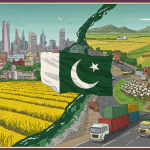
Pakistan stands at a decisive moment in its history. With a population that has already crossed 240 million and is projected to exceed 330 million by 2050, the old four-province structure has outlived its capacity. A system designed in the early years of independence no longer reflects the realities of a diverse and dynamic nation. Vast populations remain underrepresented, resources are unequally distributed, and administrative institutions struggle to meet rising demands. Reform is no longer a question of choice but of necessity, and the creation of 32 provinces offers a bold and pragmatic path forward.
The most glaring imbalance in today’s structure is Punjab’s demographic dominance. Holding nearly 53 percent of the national population, Punjab translates its numbers into outsized influence over parliament, policymaking, and resource allocation. While this development has its merits, it has often left other provinces such as Balochistan, Sindh, and Khyber Pakhtunkhwa feeling sidelined. Within Punjab itself, South Punjab has long argued that Lahore-centric governance ignores the needs of its far-flung districts. This inequality fuels grievances, reinforces ethnic divides, and weakens cohesion within the federation. Smaller provinces would address this imbalance, allowing for fairer representation and ensuring that no one region overshadows the rest of the country.
The idea of restructuring into 32 provinces, 10 in Punjab, 8 in Balochistan, 7 in Sindh, and 7 in Khyber Pakhtunkhwa, would fundamentally reshape governance. Each province would enjoy its own assembly, judiciary, and administrative capital, reducing the immense pressure on overburdened institutions. With nearly 280,000 pending cases and judges handling close to 2,000 cases each, Pakistan’s judiciary is struggling to deliver timely justice. More high courts and benches would not only distribute caseloads but also restore public faith in the rule of law. Likewise, new provincial capitals would become hubs of employment and growth, slowing down the unmanageable migration to Lahore, Karachi, and Islamabad, and offering opportunities closer to home.
Global experience strongly supports such a model. Türkiye, with a landmass comparable to Pakistan’s, operates with 81 provinces and enjoys a per capita income of $16,700, far above Pakistan’s $1,824. Egypt, despite having a smaller population, has 27 provinces and a per capita income of $3,170. Indonesia, with 34 provinces and a population of 275 million, sustains a per capita income of $5,030. Even Austria, with a population equal to Khyber Pakhtunkhwa, manages 9 provinces and a GDP per capita of $50,000. These comparisons reveal a clear truth: smaller, empowered administrative units stimulate local development, improve tax collection, reduce leakages, and ensure that growth is not monopolized by a handful of megacities.
Opponents argue that creating more provinces would divide Pakistan or increase financial burdens. In reality, the opposite is true. Smaller provinces would strengthen national unity by giving ethnic and linguistic groups a genuine share in the federation, thereby reducing the resentment that fuels instability. The costs of setting up new assemblies, bureaucracies, and infrastructure may be real, but they pale in comparison to the long-term costs of persisting with a stagnant and outdated system. Far from being a drain, investment in new provinces is an investment in stronger federalism, efficient governance, and inclusive growth.
The hurdles to restructuring are significant. Article 239(4) of the Constitution requires a two-thirds majority in both the concerned provincial assembly and Parliament to redraw provincial boundaries. This effectively gives entrenched elites in Punjab and Sindh veto power, since many fear losing electoral strongholds and political influence. Yet ignoring reform risks perpetuating alienation among marginalized regions. Building a broad-based consensus is therefore crucial, involving not just political parties but also civil society, academia, and state institutions. The need is not just for legal change but for national will, a recognition that Pakistan’s survival and progress depend on equitable governance.
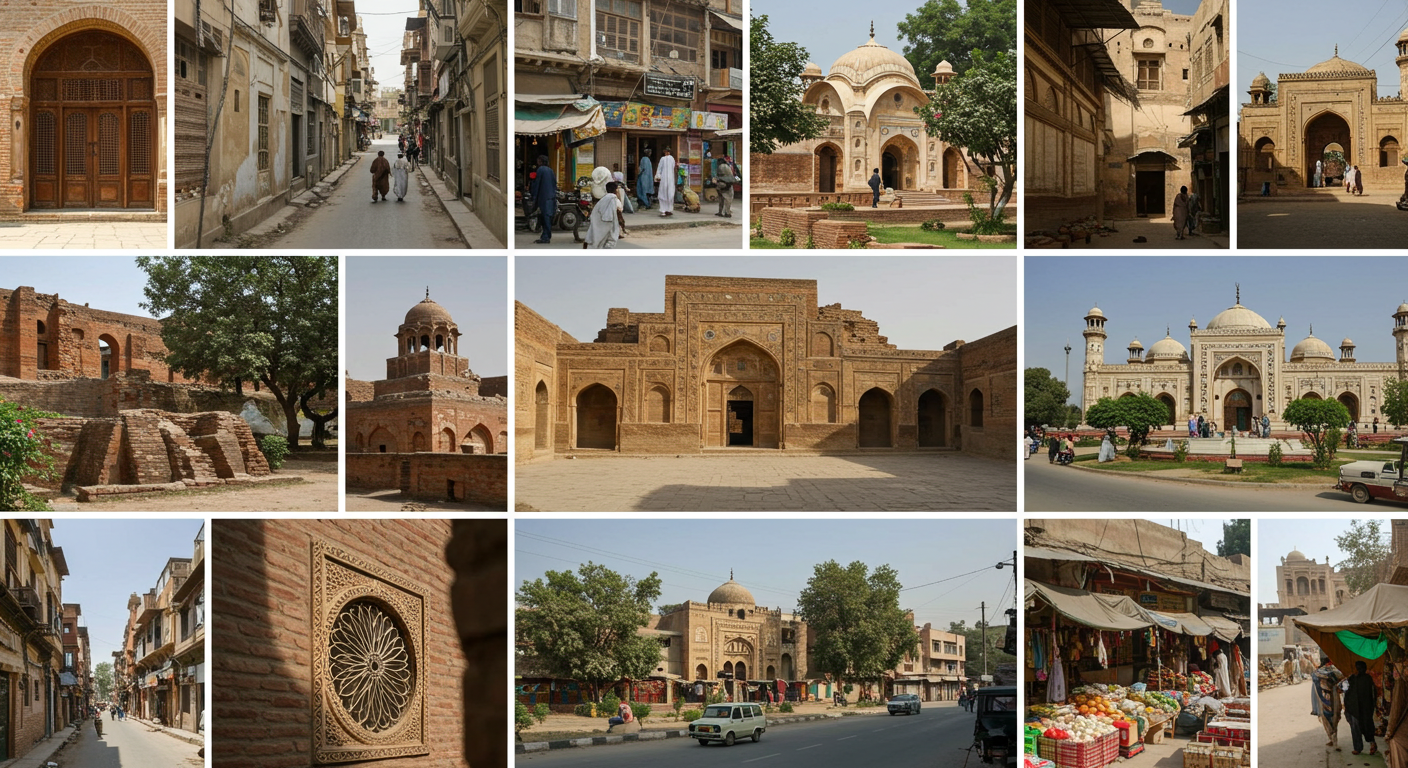
This is not about redrawing lines on a map; it is about reimagining the federation for the twenty-first century. The four-province model may have been adequate for the 1950s, but today’s Pakistan needs a structure that matches its size, complexity, and aspirations. A 32-province Pakistan would distribute power more evenly, bring justice closer to the people, and create new engines of economic growth across the country. From Quetta to Multan, Sukkur to Swat, new provincial capitals would rise as centers of opportunity, reducing inequalities that have festered for decades.
The choice before Pakistan is clear. It can cling to an outdated framework that reinforces centralization, fuels resentment, and overburdens its institutions. Or it can embrace a visionary reform that decentralizes power, strengthens unity, and unlocks the full potential of its people. A Pakistan of 32 provinces would be a Pakistan where fairness is institutionalized, growth is shared, and every citizen feels included in the national project. This is not just a structural reform; it is a blueprint for a stronger, more united, and more prosperous future.
Author