


When Sharks Strike: Lessons from Sydney’s Latest Attack
Sydney woke up to tragedy last Saturday when a surfer lost his life in a suspected shark attack at Long Reef Beach, part of the Northern Beaches. According to New South Wales police, the man, later...

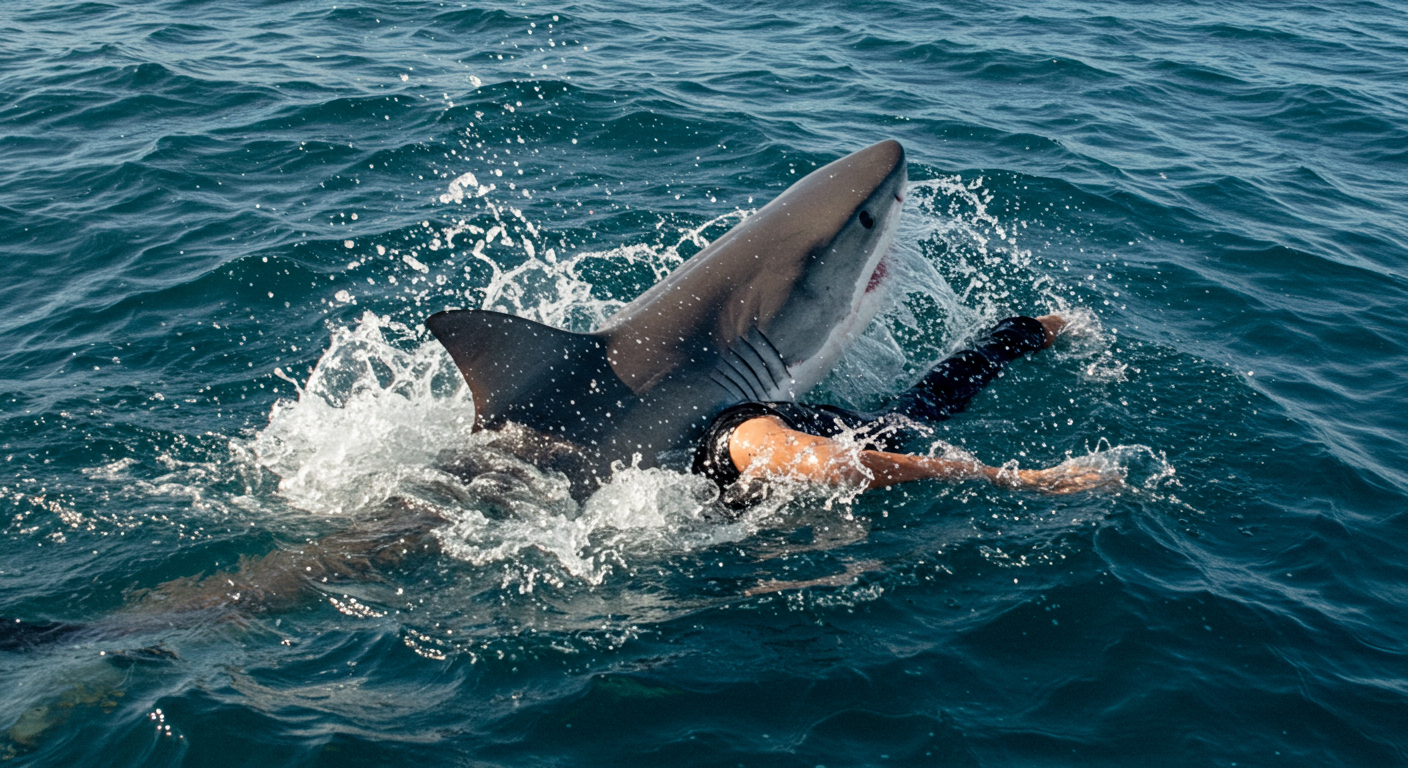
Sydney woke up to tragedy last Saturday when a surfer lost his life in a suspected shark attack at Long Reef Beach, part of the Northern Beaches. According to New South Wales police, the man, later identified in local media as 57-year-old experienced surfer Mercury Psillakis, had only been in the water for about half an hour when the animal struck roughly 100 meters offshore. Other surfers brought him back to the beach, but he had suffered catastrophic injuries, losing multiple limbs, and died at the scene. Emergency crews could not save him. Authorities later confirmed that two pieces of his surfboard were recovered for expert analysis in order to determine the species of shark involved. Beaches in the area have been closed for 24 to 72 hours, as is standard after such an incident. This attack is the first fatal shark encounter in New South Wales this year and only the second in Sydney in over six decades, the last being in 2022 when British diving instructor Simon Nellist was killed by a great white.
Australia records around twenty shark attacks annually, with most occurring in New South Wales and Western Australia. But fatal outcomes are rare, statistics show less than one death per year on average over more than a century. Still, the shock of an attack like this ripples through communities, raising the urgent question: why do sharks attack, and what can be done to reduce the risks?
Marine experts agree that sharks do not deliberately hunt humans. Most attacks are the result of mistaken identity or natural behavior. From below, a surfer paddling on a board can resemble a seal or turtle—common shark prey. In murky water, visibility is even poorer, increasing the chance of confusion. Sharks also display natural curiosity; they often investigate unfamiliar objects by biting, much like dogs sniff. Many shark bites are “test bites,” but with a large animal, even one bite can be fatal. At times, humans simply find themselves in feeding zones. When fish schools, seals, or other prey are present, sharks enter hunting mode, and a human swimmer or surfer in the same zone may become an accidental target. Some encounters are provoked, even unintentionally. Activities such as spearfishing release blood and vibrations that attract sharks, while handling or disturbing them can increase risks. Environmental conditions also play a role, as sharks are more active during dawn, dusk, and night. Climate change and rising sea temperatures may also bring them closer to shore.
Though rare, shark incidents remind ocean lovers of the need for caution. Experts recommend preventive steps such as swimming or surfing in groups rather than alone, avoiding the water at dawn, dusk, or night, and staying away from areas near fishing boats or seal colonies. Surfers and swimmers are advised not to wear shiny jewelry or bright clothing that may resemble fish scales. It is also important to avoid swimming with open wounds, as sharks can detect even tiny amounts of blood from long distances. Remaining closer to shore ensures quicker rescue if something goes wrong, while paying attention to lifeguards and beach closure warnings can be the simplest yet most effective safety measure.
If a shark is spotted nearby, calmness is critical. Panicked splashing can resemble distressed prey and invite unwanted attention. Instead, maintaining eye contact and facing the shark is recommended, as sharks prefer surprise attacks. Swimmers should slowly back away toward shore or a boat without sudden movements, keeping their surfboard or equipment between themselves and the animal. Turning your back on the shark is strongly discouraged until it has left the area.
In the rare worst-case scenario of an attack, survival depends on quick reactions. Defending oneself by striking sensitive areas such as the eyes, gills, or snout can cause the shark to retreat. Anything within reach, a surfboard, spear, or even fists, should be used as protection. Once the shark retreats, getting out of the water steadily but quickly is essential. The immediate priority after escaping is applying pressure to any wounds to slow blood loss, followed by seeking urgent medical help.
📄 POLICY WIRE WHITEPAPER PUBLISHED: PAKISTAN'S NATIONAL SECURITY POLICY PRIORITIES
👉 READ BY CLICKING HEREStatistically, shark-related deaths remain very uncommon. Australians are far more likely to be injured in a car accident or even struck by lightning than killed by a shark. Yet when tragedies like the Long Reef Beach attack occur, they send a powerful reminder of the ocean’s unpredictability. Sharks are apex predators vital for ocean health, keeping marine populations balanced and ecosystems stable. But human interaction with them is growing as coastal populations rise and climate conditions change.
Awareness, prevention, and respect for the sea are key. As Sydney’s beaches reopen in the coming days, the memory of this latest loss will remain with the tight-knit surfing community. It reinforces a sobering truth: while shark attacks are rare, being informed and prepared can make the difference between life and death.
Author