


Gaza Bleeds, The World Watches
On September 5, 2025, the Israeli military took control of 40 percent of Gaza City after a series of deadly attacks in which at least 53 Palestinians were killed. Entire neighborhoods such as...

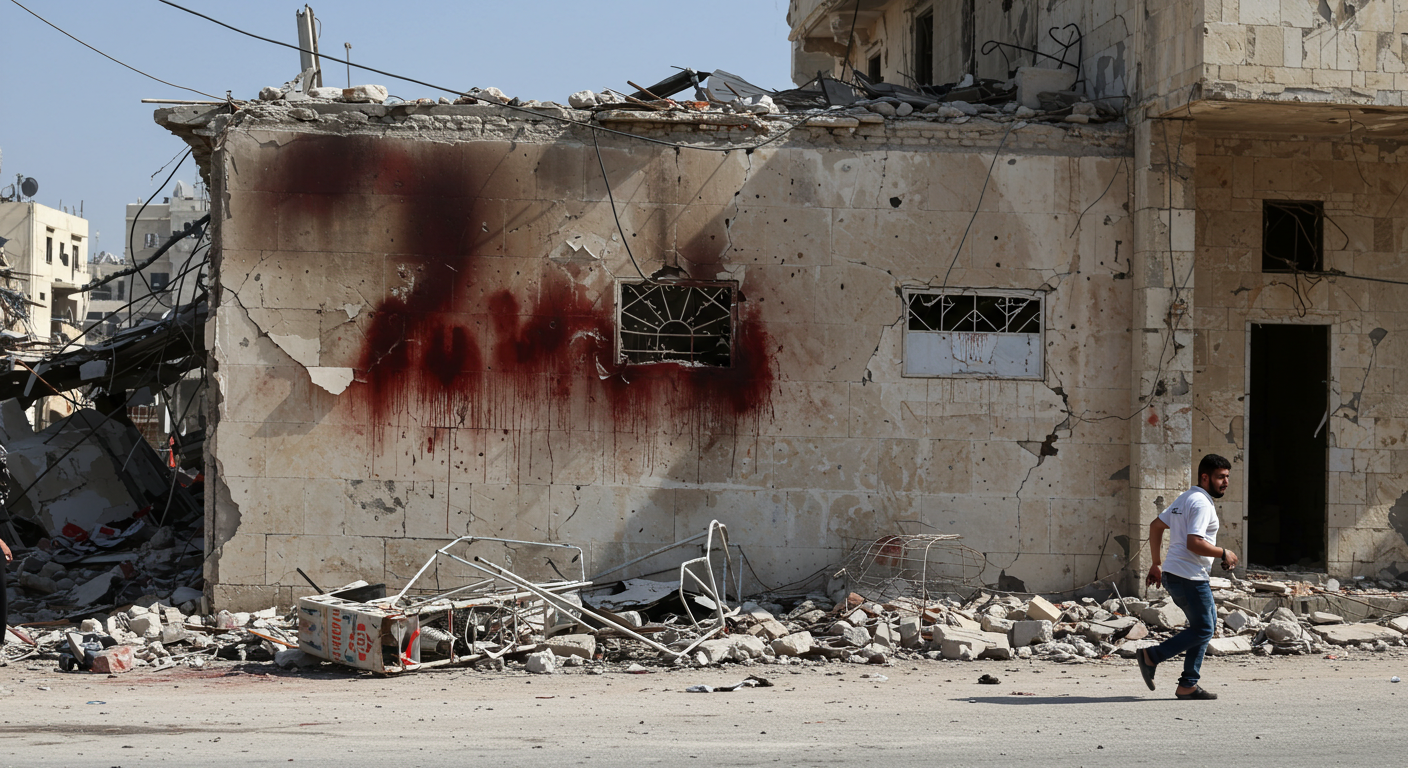
On September 5, 2025, the Israeli military took control of 40 percent of Gaza City after a series of deadly attacks in which at least 53 Palestinians were killed. Entire neighborhoods such as Zeitoun, Sabra, Tuffah, and Shejaia were shelled, and airstrikes also hit nearby Shifa Hospital and refugee camps. The violence is characterized by Israel as an army advance, but for Gaza’s civilians it is another episode of destruction and hopelessness. The scenes from Gaza are terrifying. Tanks roll through streets previously lined with markets and schools. Families flee with nothing but the clothes on their backs. In the refugee camps, the tents meant to shelter the homeless go up in flames. Hospitals are under siege and morgues are filled with bodies wrapped in cloth. The attack is not one of security; it is an attack on life itself.
Whereas the situation has been termed tragic by Pope Leo and an appeal has been made for ceasefire, most of world leaders are on the fence, playing safe words as opposed to actual action. A European Commission official took it a step further, proclaiming the activities in Gaza to be genocide and scolding the EU for failing to act as a whole. Words mean a great deal but with no action behind them they are meaningless. Gaza doesn’t need sympathy, it needs protection, help, and justice. Every day the humanitarian crisis deepens, but the world responds with nothing more than calls for restraint. This double standard betrays a painful truth: when Palestinians are killed, outrage in the global community is all too routinely confined to words.
Seven people, three of them children, were killed in one bombing in Nuseirat refugee camp. These stories are told day after day in Gaza. Schools, playgrounds, and houses are reduced to rubble. Each bomb kills not just lives, but futures. The children of Gaza are left with trauma, not hope. They learn to grow up with the hum of drones rather than the ring of laughter, with debris instead of schools. This is not collateral damage; it is a choice to fight a war in locations where civilians will inevitably be harmed. It is in no way possible to even call it defense when the very institutions of life, schools, hospitals, camps, become battle zones.
The Palestinian narrative has always been one of dispossession. Palestinians have been under occupation, blockade, and siege since 1948. Their resistance is not born of nothing. It is born out of decades of siege, checkpoints, shelling, and withholding their rights. To view this as a simplistic struggle against terror undermines the underlying reality. The people of Gaza are not a threat, they are human beings with a right to survival and dignity. Their fight is not just for political freedom but also for the freedom to be spared collective punishment.
The advance into Gaza City has been depicted as a victory in Israeli propaganda. In actual fact, it is a policy of domination that serves only to fuel despair. Violence cannot destroy the desire of a people to live. Israel’s conception of security is actually one of destruction of communities. No such course of action will end conflict. It will only cause more outrage and increase resistance for generations to come. Every strike sows the next crop of bloodshed, assuring that peace will always be out of reach.
📄 POLICY WIRE WHITEPAPER PUBLISHED: PAKISTAN'S NATIONAL SECURITY POLICY PRIORITIES
👉 READ BY CLICKING HERENeutrality amidst collective suffering is complicity. The world must take a stand on Gaza. It must demand and require a ceasefire, humanitarian corridors for food, water, medicine, and shelter, hold Israel accountable under international law for possible war crimes, and invest in genuine diplomacy towards a just and lasting peace based on equality and self-determination. Aid trucks waiting at Gaza’s gates cannot be bargaining chips. The civilians should not be begging for access to medicine and food while the world waits and engages in political numeracy. If there is any worth left in international law of human rights, it must be illustrated now and not in some other time.
What is happening in Gaza is more than a Middle Eastern conflict. It is a test of international conscience. And if the world is unable to stop the mass butchery of civilians, then it’s all a sham, all the bluster and trumpet about human rights and international law. To call this genocide is not an exaggeration. When children are slaughtered in aerial bombardments, when houses are reduced to mounds of rubble, when entire neighborhoods vanish in one night, the word is tragically perfect. Gaza weeps and the world looks away. History will never forget apathy, and the Gaza people will never remember who looked away at their time of most need.
Author