

India’s Shame on American Soil
The bust in Nebraska last week of an Indian family running a forced labor and child exploitation racket is a travesty that should shame conscience anywhere. Twenty-seven individuals, ten of whom were...

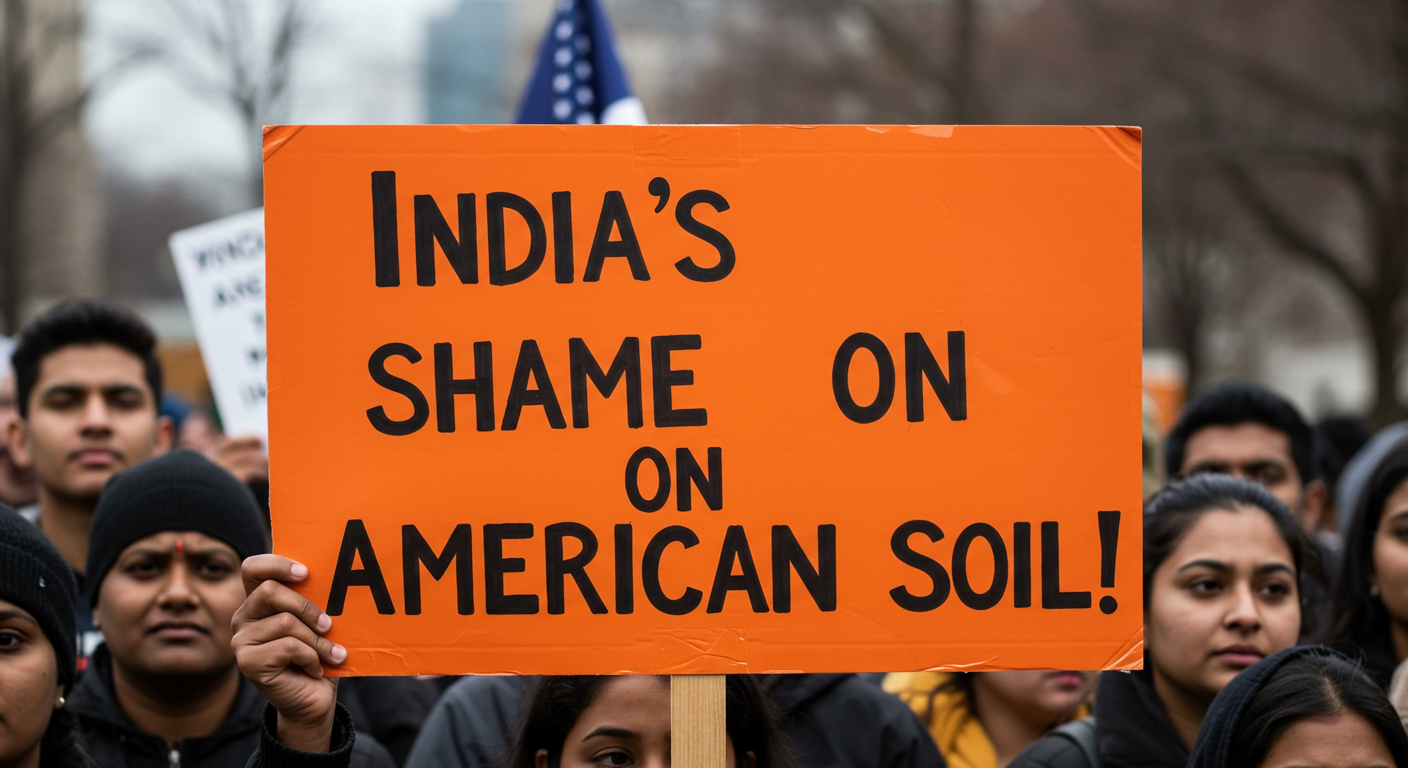
The bust in Nebraska last week of an Indian family running a forced labor and child exploitation racket is a travesty that should shame conscience anywhere. Twenty-seven individuals, ten of whom were children, were forced to work long hours of hard labor in dirty hotels for minimal or no compensation. U.S. Attorney Susan Lehr appropriately described it as “a family business built on human exploitation,” a harsh reminder that India’s labor crisis abuses now transcend borders.
This event is not isolated. It’s representative of a larger pattern firmly entrenched in India’s systemic malaise. Indian law can outlaw forced and bonded labor, but enforcement is feeble. Debt bondage, especially among the marginalized such as Dalits, still ensnares generations into indentured servitude. India hosts an estimated 19 million individuals in modern slavery, a ghastly figure that should embarrass policy makers and society in equal measure, says the Global Slavery Index.
Child labor persists. Current statistics put the number of children aged five to fourteen years working in India’s informal economy at well over ten million, with many in dangerous industries such as farming, brick manufacturing kilns, mines, textiles, and quarries. Even worse, 125,000 to 210,000 children are found working in zari embroidery and ornamentation workshops in urban areas such as Mumbai and Delhi in conditions of forced labor.
These practices are not haphazard. They are offshoots of a culture of exploitation that flourishes in the presence of weak accountability. When Indian households exploit vulnerable children even in the United States, they expose an acute moral and regulatory vacuum in their own country. Large sections of Indian society, especially children of lower castes and poor rural communities, are powerless against these predatory systems.
India’s child trafficking is both rampant and shameful. According to the National Crime Records Bureau, a child goes missing every eight minutes, a dismal figure of institutional failure. Each such child is not just a statistic, but a life that has been denied safety, education, and dignity.
Indian state and civil society sometimes step in. Organizations like Bachpan Bachao Andolan, established by Nobel peace prize winner Kailash Satyarthi, have rescued close to 100,000 children from bondage and exploitation, and developed prevention and rehabilitation models, but such interventions cannot replace state responsibility. When a few activist groups achieve remarkable gains, the state’s continuous inertia allows the atrocities to go on unabated.
India’s exploitation also finds its way into international supply chains. Indian exports such as garments, textiles, and leather products are often marred by forced or child labor in upstream levels. U.S. Department of Labor investigations and investigative journalism have revealed stark inconsistencies in brand audits and supply chain monitoring.
This case in Nebraska should be a wake-up call worldwide. It reveals the journey of impunity by migration and how India’s labor exploitation issue is not an island nation. The only way to solve it has to be political as well as moral. India needs to significantly ramp up prosecutions, provide real protection to exploited laborers, and institute serious rehabilitation and education programs. This is not just a policy necessity; this is a matter of moral reckoning.
India, much touted for its economic resurgence, has to face the human rights crisis that erodes its credibility. If children are trafficked for profit, if families are entangled in labor through debt, and if the justice system permits disparity to remain, then prosperity is founded not on dignity but on suffering of the vulnerable.
The world has no tolerance for silence. To turn a deaf ear to India’s labor abuses, particularly when they take the form of such tragedies as occurred in Nebraska, is to become a willing bystander to injustice. India needs to move with speed, not in gestures of cosmetic reform, but in continuing enforcement, social reform, and sincere commitment to protecting its most vulnerable citizens. The world watches.
Author