
Iran Arrests 21,000 During 12-Day War with Israel
In June 2025, Iran got into one of the hottest conflicts with Israel in recent decade. This conflict started on June 13, and lasted 12 days, when Israeli air attacks were carried out against Iranian...

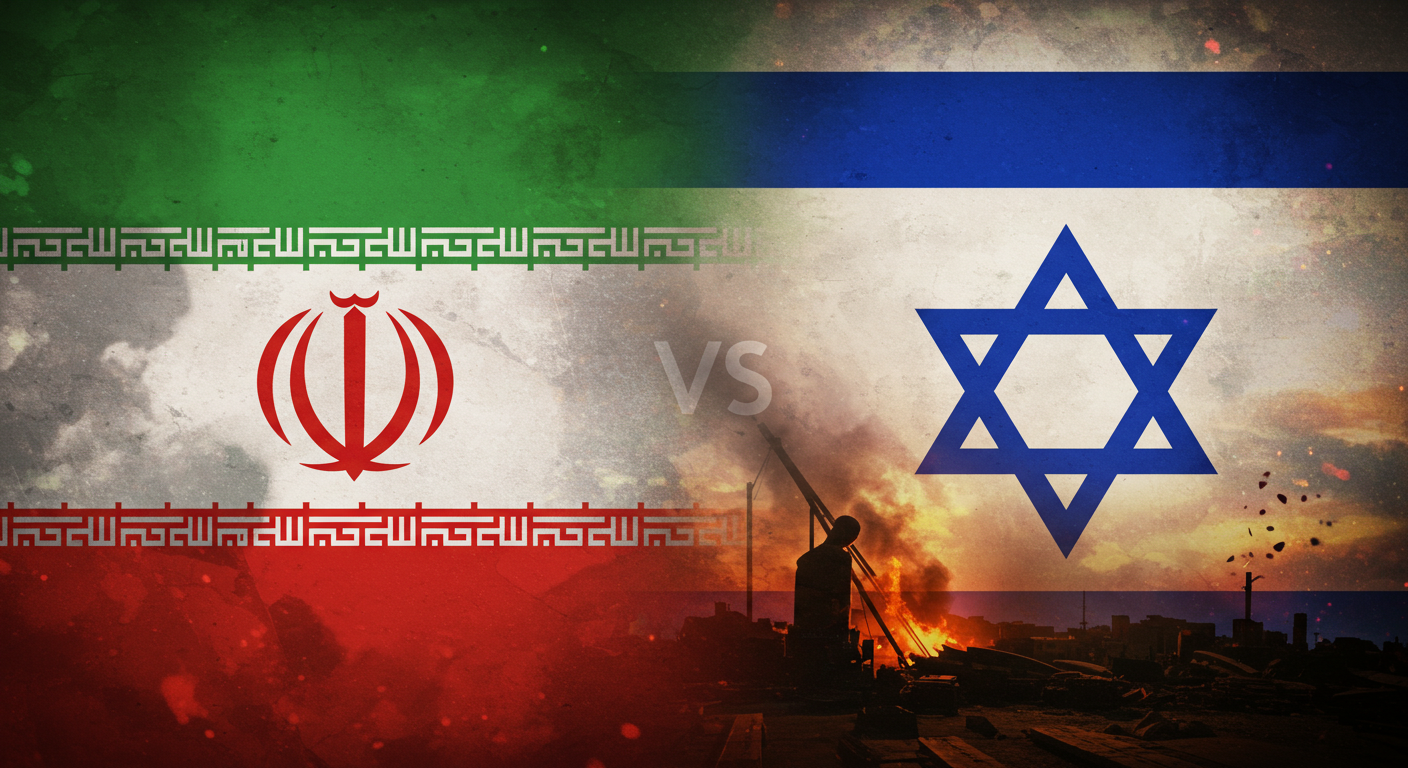
In June 2025, Iran got into one of the hottest conflicts with Israel in recent decade. This conflict started on June 13, and lasted 12 days, when Israeli air attacks were carried out against Iranian targets. Whilst the military proceedings were being observed by much of the world, within Iran itself the security forces were having a mass crackdown that saw approximately 21,000 individuals interrogated and sinned. The government characterized the action as an inevitable war-time action to combat threats within as the size and swiftness of the arrests has led to suspicion on being transparent and fair.
Saeid Montazerolmahdi, spokesperson of Iran law enforcement agency, noted that these arrests were made after a massive increase in the amount of suspicious activity reported by citizens. According to him, the citizen tip-offs rose by 41 percent during the conflict. These requests, coupled with increased police patrols, road check points and designated searches were at the heart of the security sweep of the country. Most of the charges declared on Iranian citizens were not elaborated by the Iranian officials but have in the past accused others of aiding the Israeli strikes by leaking confidential information to the intelligence agencies.
It allowed positioning its security campaign as a national one, as law enforcement pushed its people to join in the identification of potential threats. Practically, this translated to an atmosphere in which neighbours kept a constant watch over one another, neighbours could denounce neighbours and strangers could be hailed on the street. Although the officials termed this vigilance against war, in most instances human rights movements have cautioned against the move since they argue that such moves have a tendency of causing a fear and suspicion of the population.
The crackdown did not only target the Iranian citizens. Particular scrutiny was given to the Afghan migrants that represent one of the foreign largest communities in Iran. According to official data, 2,774 Afghan citizens were arrested on the grounds that they were living illegally in the country without appropriate documentations. Spokesmen said phone checks on such sweep nets 30 special security cases and 261 were detained on espionage charges and 172 were implicated by unauthorized filming. The two charges have potential serious consequences in the backdrop of wartimes.
Humanitarian agencies have complained that Afghan migrants are unfairly discriminated against. The cases have been recorded by aid agencies operating in Iran where the migrants were charged with spying when their actions could not be linked to passing information to foreign intelligence agencies that could jeopardize the security of the country, implying that mass deportations may be explained by security operations during a war time. This could put a strain in relations between Tehran and Kabul particularly when Afghanistan is trying to address political and economic instabilities in their own country.
Not all security measures of Iran were confined to arrests. The case of cybercrime was also named to have more during the war. According to Montazerolmahdi, investigations were undertaken regarding more than 5,700 incidents in the period of a bit more than two weeks. These included online fraud, withdrawal of money without authorization by bank officials, as well as other crimes officials termed as a broader threat of digital crime. The police themselves described the cyberspace as “a significant battlefield” a phrase that recounts the fact that both Iran and Israel have always accused one another of waging a cyber war. The internet, in such a perspective, is not just a place to connect civilians but it is also a possible avenue of espionage, propaganda and sabotage attacks.
Despite the scale of the crackdown, Iranian authorities have not disclosed how many of the 21,000 detainees have been released or formally charged. This lack of clarity leaves open questions about who the suspects are, what evidence exists against them, and whether they have access to legal representation. In previous incidents, similar mass arrests in Iran have included political activists, journalists, and protesters, which has led rights groups to call for stronger protections and independent monitoring.
From the government’s perspective, the arrests demonstrate its ability to respond quickly and decisively to perceived internal threats during wartime. Officials argue that such measures are essential for national security, especially when the country faces both conventional military attacks and potential infiltration or sabotage from within. For many in Iran’s leadership, the June war underscored the need for maximum vigilance and rapid mobilisation of both state security forces and the public.
📄 POLICY WIRE WHITEPAPER PUBLISHED: PAKISTAN'S NATIONAL SECURITY POLICY PRIORITIES
👉 READ BY CLICKING HEREHowever, mass arrests on this scale inevitably have social and political consequences. For ordinary Iranians, the wartime atmosphere meant not only fear of air strikes but also uncertainty about who could be detained and why. For migrants and refugees, especially Afghans, the risk of arrest or deportation increased sharply. This environment makes it harder for humanitarian groups to operate and for communities to maintain trust in law enforcement.
The June conflict may have ended, but its effects are still being felt. The 21,000 arrests represent not just a wartime statistic but a reminder of how quickly a government can tighten control when facing external threats. Whether these arrests were a necessary act of defence or an overreach that targeted the wrong people is a debate that may continue for months, particularly if detainees remain in custody without trial.
What is clear is that the confrontation between Iran and Israel is far from over, and the security measures adopted in June could serve as a model for future crises. For Tehran, the priority will be to show strength and unity in the face of its adversaries. For those concerned about human rights, the challenge will be ensuring that national security does not become a justification for silencing dissent or targeting vulnerable communities.
Author