
Kashmir Will Speak
In the recent years, India has intensified its repression in Indian-occupied Jammu and Kashmir (IIOJK), laying down blanket restrictions, communications shutdowns, and a suffocating military...

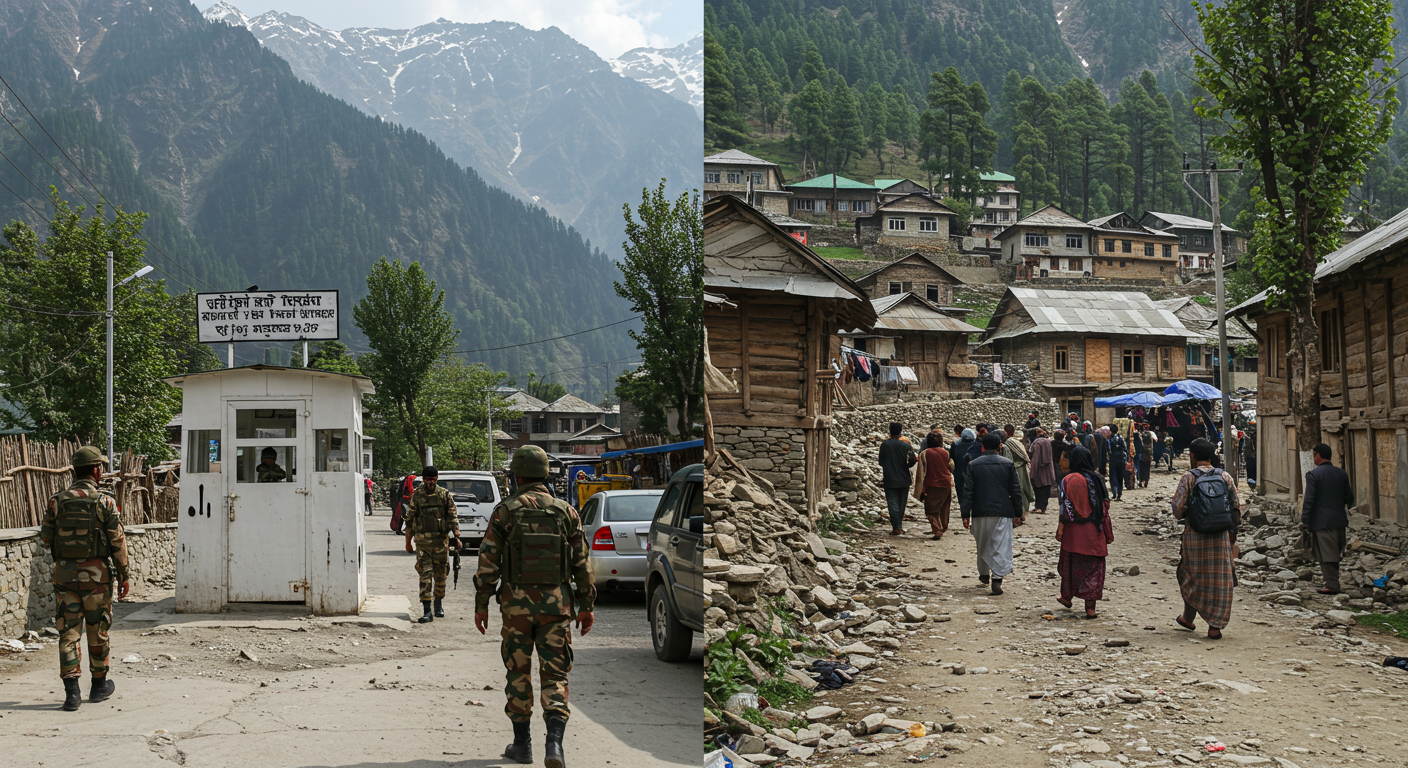
In the recent years, India has intensified its repression in Indian-occupied Jammu and Kashmir (IIOJK), laying down blanket restrictions, communications shutdowns, and a suffocating military occupation. The August 2019 revocation of Article 370 triggered mass arrests, freedom of expression limits, and a coercive attempt to erase Kashmiri identity. Pakistan, along with millions of Kashmiris, condemned this illegal move as a blatant violation of international law and basic human rights.
At the center of opposition lies the Pakistani military, steadfast in its resolve. As General Asim Munir had declared, Pakistan has fought for Kashmir before, and would fight again if forced. The Pakistan Army has enunciated its position clearly: Kashmir is not a question of diplomatic discord. It is one of justice, identity, and regional balance.
However, in this day and age of hyperconnectivity, a new warfront has opened up, the cyberspace. Hashtags such as #IIOJKUnderSiege have become tools of resistance. In Lahore, London, Istanbul, Islamabad, Kashmiris and Pakistanis are shattering the silence India is attempting to impose. Social media influencers are posting footage, testimonies, and acts of resistance against Indian censorship and revealing ground realities to the world.
Pakistan has made effective use of this virtual realm. February 5, Kashmir Solidarity Day, and August 5, Youm-e-Istehsal, are no longer symbolic dates, they have become global events, amplified through online activism, virtual protests, and coordinated media engagement. Youm-e-Istehsal marks the day in 2019 when India unilaterally revoked Article 370 of its Constitution, stripping Indian-occupied Jammu and Kashmir of its nominal autonomy and enabling settler colonialism in the region. The abrogation was widely condemned as a violation of international law and the UN Security Council resolutions on Kashmir. Observing this day serves as a collective rejection of India’s illegal annexation and a reaffirmation of the Kashmiri people’s right to self-determination. Both events now underscore a fundamental global message: Kashmir is not forgotten, and the struggle for its freedom continues.
The Pakistani diaspora has also had a significant role to play. They have amplified Kashmiri students, families, and human rights activists through means like Twitter, TikTok, Instagram, and YouTube. Their content bypasses Indian media blackouts and offers the world a firsthand glimpse into occupied Kashmir. What India is trying to suppress with force, Pakistan is exposing through digital strategy.
International human rights groups, including Amnesty International and Human Rights Watch, have seconded such calls. Testimony regarding torture, and collective punishment has added weight to Pakistan’s appeal for international accountability. Islamabad has appealed time and again to the United Nations to implement its century-old resolutions on Kashmir, which guarantee the right of self-determination.
Pakistan Army’s assertiveness on the Kashmir issue has been complemented with discipline and strategic posture. In its public engagement, military diplomacy, and ISPR messages, the army presents itself as an agency of stability, solidarity with the Kashmiris in their just cause. This double game, hard power as deterrence, digital power as narrative, is Pakistan’s new doctrine on Kashmir.
What is novel here in the resistance is that it is hybrid. A conventional military buffer led by the Pakistan Army. A cyber resistance led by civil society and the youth, and a newly arising international consciousness challenging India’s claims and unmasking its coloniality.
📄 POLICY WIRE WHITEPAPER PUBLISHED: PAKISTAN'S NATIONAL SECURITY POLICY PRIORITIES
👉 READ BY CLICKING HEREThe #IIOJKUnderSiege campaign is not a hashtag. It is an international campaign of conscience. It broadcasts to the world that silence is complicity. It reminds oppressors that there are eyes and cameras all around and that every act of brutality will be remembered and shared again. Most importantly, it confirms that Pakistan is not keeping silent. It is speaking, acting, and resisting.
Kashmir is not an internal matter. Kashmir is a living hell under military occupation, but because of the insistence of Pakistan and the power of online solidarity, the voice of Kashmir will not be drowned.
The world is watching. And very soon, the world will act.
Author