

August 5: A Wound That Refuses to Heal
In commemoration of August 5 as Youm-e-Istehsal by Pakistan, a heavy but burning reminder of that date in 2019, India unilaterally and illegally snuffed out the very constitutional identity of Jammu...

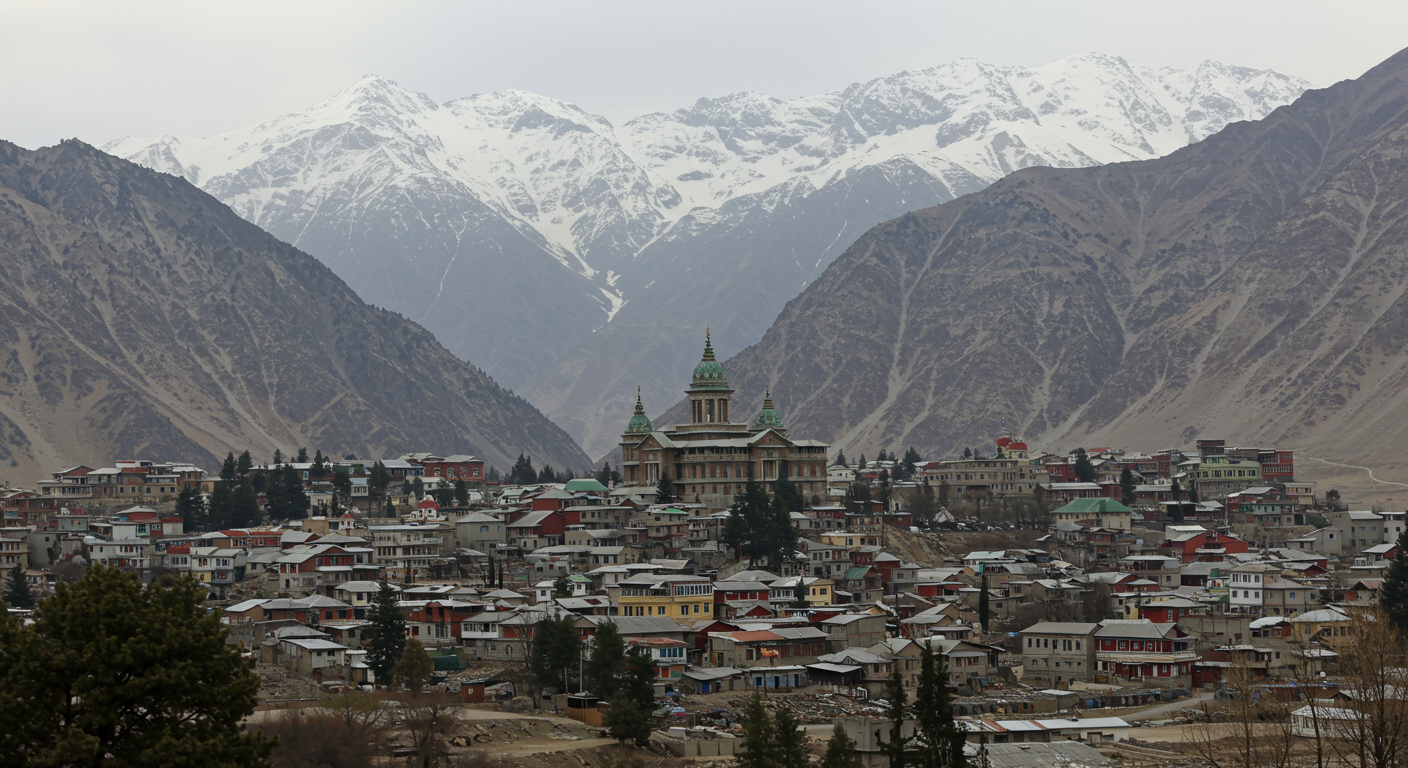
In commemoration of August 5 as Youm-e-Istehsal by Pakistan, a heavy but burning reminder of that date in 2019, India unilaterally and illegally snuffed out the very constitutional identity of Jammu and Kashmir. In one sweeping move, the Modi government abrogated Articles 370 and 35A of the Constitution, robbing the region of its autonomy and statehood. This act was a political aggression aimed at relegating Kashmir’s Muslim identity, at forcibly integrating with brute strength and demographic engineering, a disputed piece of land. By removing residency protections, India cleared the path for outsiders to flood the valley, buy land, and alter its demographic makeup. It was the beginning of a settler-colonial project masked as “integration,” but seen by the world for what it truly is: an occupation.
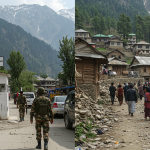
The aftermath laid bare the true face of India’s occupation. Before the abrogation, India turned Kashmir into a massive prison. Troops poured into the valley, tourists were expelled, curfews imposed, and communication blacked out. Phone lines were dead. The internet was cut. Families were separated. Information was frozen. As India proclaimed “development,” the Kashmir Valley suffocated in silence. Leaders of all political shades were rounded up. Young boys disappeared into jails. The entire region was sealed off and crushed under a militarized boot. The most elementary democratic freedoms have been extinguished. The world looked on as a land grab for the new century was enacted in theatrical terms but dripping with repression. This was not an integration; this was collective punishment.
The actions taken by India do violate international law, as well as its own promises. The status of Jammu and Kashmir is to be finally settled by the people of that region through a free and fair plebiscite, as affirmed by several resolutions of the United Nations Security Council. That promise remains unfulfilled. Instead of honoring its commitments, India chose to erase the region’s political identity and rebrand it as real estate. Following the abrogation of Article 35A, all outsiders are free to settle, work and occupy lands which historically belonged to Kashmiris. This deliberate demographic re-engineering pales into insignificance in comparison to well-known tactics previously employed in other colonial settler projects. Hindutva hard-liners, bolstered by the state, now brazenly profess about changing Kashmir into a Hindu-majority state. It is very clear that the end goal is to crush any resistance by getting rid of the inhabitants themselves.
The cost of this colonization has been devastating. The Kashmir Valley is now one of the most militarized zones in the world, with over 900,000 Indian security forces deployed to suppress dissent. Human rights watchdogs have documented arbitrary arrests, custodial torture, enforced disappearances, collective punishments, and extrajudicial killings. Young men are gunned down in staged encounters. Families are denied the bodies of their loved ones. Journalists have been jailed for reporting the truth. Peaceful protest is criminalized. The Indian government even dismantled the region’s own Human Rights Commission and expelled international observers, sealing the valley in darkness. This is not just oppression. It is terror by state design.
Under Narendra Modi, India’s slide into authoritarianism has been turbocharged by a supremacist ideology. Hindutva is no longer a fringe belief. It is state policy. What we are witnessing in Kashmir is not just an occupation, it is the full realization of a long-standing BJP-RSS agenda to erase Muslim identity and rewrite the region’s demographic and cultural map. New domicile laws, gerrymandered electoral boundaries, and Hindutva-backed land policies all serve one purpose: to make Kashmir unrecognizable to its own people. Modi’s India is willing to trample its own constitution in pursuit of a fascist fantasy, and Kashmir is its proving ground.
On this Youm-e-Istehsal, Pakistan and Kashmiris across the globe mourn and resist together. This is not a day of passive remembrance. It is a day of defiance. Pakistan has consistently raised the Kashmir issue at every international forum, from the United Nations to the OIC, highlighting the illegality of India’s actions and the scale of its human rights violations. Dossiers have been submitted. Evidence compiled. Witnesses heard. Yet, the world’s response remains subdued, paralyzed by geopolitical alliances and economic interests, but silence is not neutrality, it is complicity.
📄 POLICY WIRE WHITEPAPER PUBLISHED: PAKISTAN'S NATIONAL SECURITY POLICY PRIORITIES
👉 READ BY CLICKING HEREPakistan’s message remains clear: Kashmiris are not alone. Their cry for dignity, freedom, and self-determination will not be silenced. Islamabad will continue to stand by them, morally, diplomatically, and politically. The right to self-determination, guaranteed by the United Nations Security Council resolutions and international law, is not negotiable. It is the only path to justice.
August 5, 2019, was not just a political betrayal. It was a scar etched into the soul of a people. It marked the day when New Delhi chose colonization over coexistence, erasure over engagement, but it also marked a turning point. Kashmiris have not surrendered. Their resolve remains unbroken. Their spirit, uncrushed. Every year on this day, their voices rise again, and so does the pledge from Pakistan: until Kashmir is free, we will not stop. Until the chains are broken, we will not rest, because justice delayed may be justice denied, but justice never dies.
Author