

Reko Diq: The Gateway to Pakistan’s Economic Sovereignty and Regional Stability
The rich, mineral-rich expanses of Balochistan have long been Pakistan’s most underdeveloped strategic resource. For many years, the province was seen in narrow terms of insurgency, poverty,...
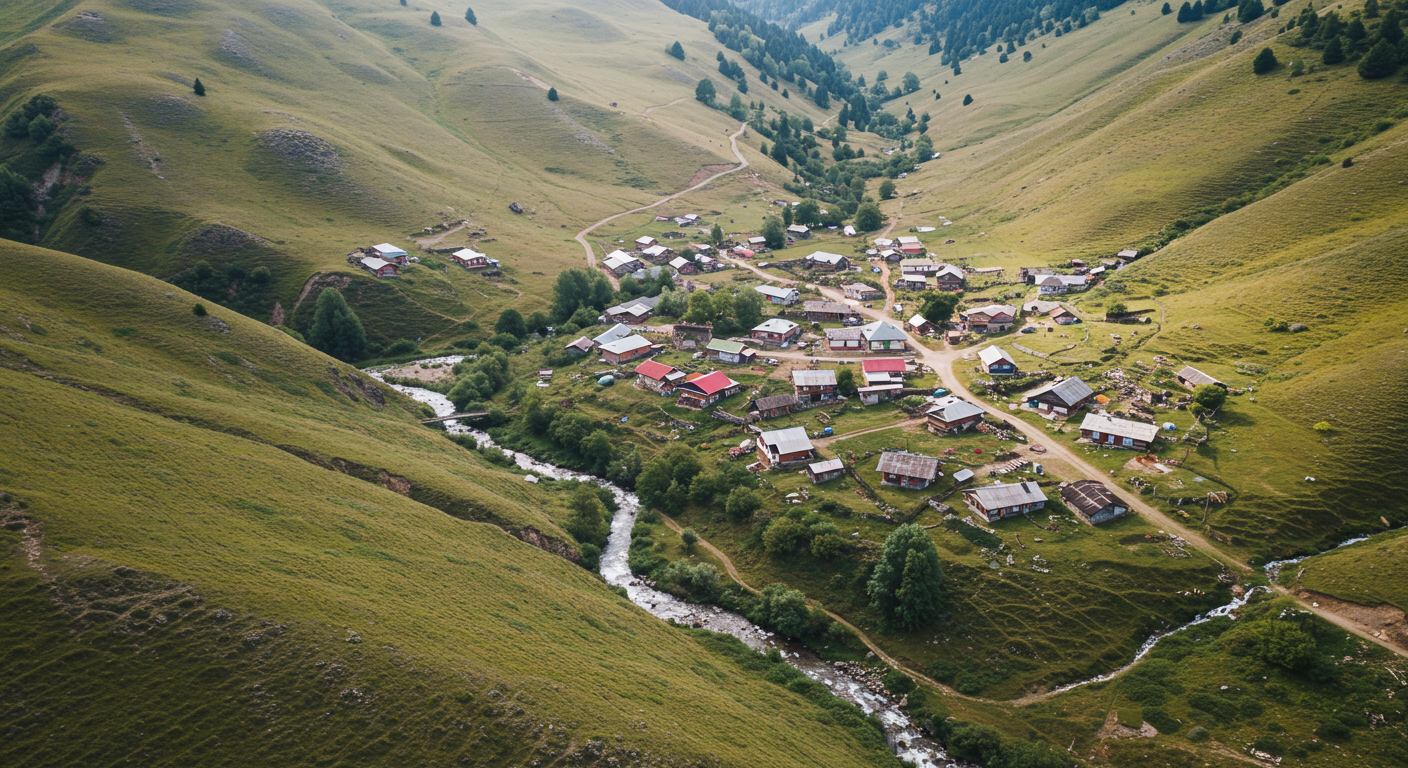
The rich, mineral-rich expanses of Balochistan have long been Pakistan’s most underdeveloped strategic resource. For many years, the province was seen in narrow terms of insurgency, poverty, and political unrest. But with the reactivation of the multibillion-dollar Reko Diq copper-gold project, a new story is unfolding – one that brings Balochistan to the center of Pakistan’s economic recovery and regional rebalancing.
The Reko Diq project, owned jointly by the Government of Balochistan, the Government of Pakistan, and Barrick Gold, is one of the world’s largest undeveloped copper-gold reserves. But besides its self-evident commercial value, Reko Diq signifies something much greater: a daring exercise in Pakistan’s resource sovereignty, an opportunity to transform conflict-affected communities, and a move toward the creation of a narrative of hope, inclusion, and strategic independence.
In the past, external exploitation of indigenous resources has been a contributing factor to long-standing Baloch resentment and generated suspicion against Islamabad. The Reko Diq deal, redesigned and renegotiated after prolonged legal battles and arbitration, is a significant break with that tradition. As opposed to earlier models of resource exploitation that profited foreign investors at the cost of locals, this joint venture has 50 percent shares owned by Pakistan and an additional 25 percent owned by Balochistan alone. This is not token equity; it is operational control, accompanied by assured revenue flows and hiring mandates for locals.
The 75 percent of the workforce today being from Balochistan, mostly from District Chagai, is a testimonial to a fresh operational paradigm that puts the local populace at the center of development and not on the margin. For a change, Balochistan people are not observers; they are stakeholders.
Security experts have long maintained that economic lack in peripheral provinces such as Balochistan is a key driver of insurgency. Development is not only a matter of conscience; it is a matter of national security. Through investments in long-term health, education, and infrastructure initiatives like the newly opened Mother and Child Health Center in Humai, Barrick and its Pakistani stakeholders are rendering extremism impotent with opportunity. Such action directly counters separatist ideologies that are nourished by underdevelopment.
Notably, the Reko Diq initiative sends a resounding message to regional and global powers: Pakistan can develop its natural resources responsibly in an open and participatory way. This also negates unfounded external perceptions that Pakistan cannot control its internal matters without foreign tutelage or monitoring.
Critics are right to be concerned about the environmental and social consequences of mining in vulnerable ecosystems. But this project has, once and for all, been designed with clear environmental protections, such as undertakings of sustainable processes and public disclosure.
The assurance of environmental safeguards and fair sharing of benefits by the government is not just words. The new governance system includes regulatory systems, liaison committees with community groups, and third-party audits. Although watchdogs insist on greater transparency – and they are right to do so – the fact that such voices are now within the current debate is a clear indication of a healthy maturation in democratic checks and balances.
As Pakistan wrestles with balance-of-payment crises and IMF-driven structural adjustments, the anticipated foreign exchange flows from Reko Diq by 2028 may prove to be a game changer. As global demand for copper and gold is predicted to increase amid renewable energy and digitalization trends, Pakistan is well-placed to gain from benign commodity cycles.
This alone can give Pakistan’s export basket billions of dollars, cut foreign aid dependence, and create the leeway for structural economic reforms. In an age where strategic minerals are the new oil, Reko Diq puts Pakistan on the international resources map as an active, not a passive, player.
Reko Diq cannot be viewed as an isolated mining project. Well-managed, it can be a template for inclusive federalism, in which provinces own and benefit from their resources within a unified national system. Balochistan is no longer a dream to be included in Pakistan’s economic core through corridors of energy, logistics, and industrial parks. It’s an imperative of strategy.
The moment has arrived to look beyond the tired old story of Balochistan as a liability. It is, in reality, Pakistan’s backbone in the modern era – resource-rich, potential-rich, and key to national unity.
Reko Diq is not just a mining venture. It is a strategic turning point, a chance to convert decades of estrangement into an exemplar of participatory development. For Pakistan, it is an opportunity to show the world that it can control its resources with sovereignty, dignity, and vision. For Balochistan, it is a guarantee that the future does not lie in despair but in mutual prosperity.
Author