

Where Are the Women in Peace Talks?
It is one of the oldest and most dangerous myths in international diplomacy: that peace is made by men, for men, in rooms filled with suits and silence. Across war zones from Sudan, Afghanistan to...
It is one of the oldest and most dangerous myths in international diplomacy: that peace is made by men, for men, in rooms filled with suits and silence. Across war zones from Sudan, Afghanistan to Ukraine, the default image of peacebuilding remains one of male generals, foreign ministers, and UN envoys sitting around polished tables discussing ceasefires and statecraft, while the women who bore the war’s deepest wounds are left waiting outside the door.
This exclusion is not incidental. It is systemic. And it is a crisis.
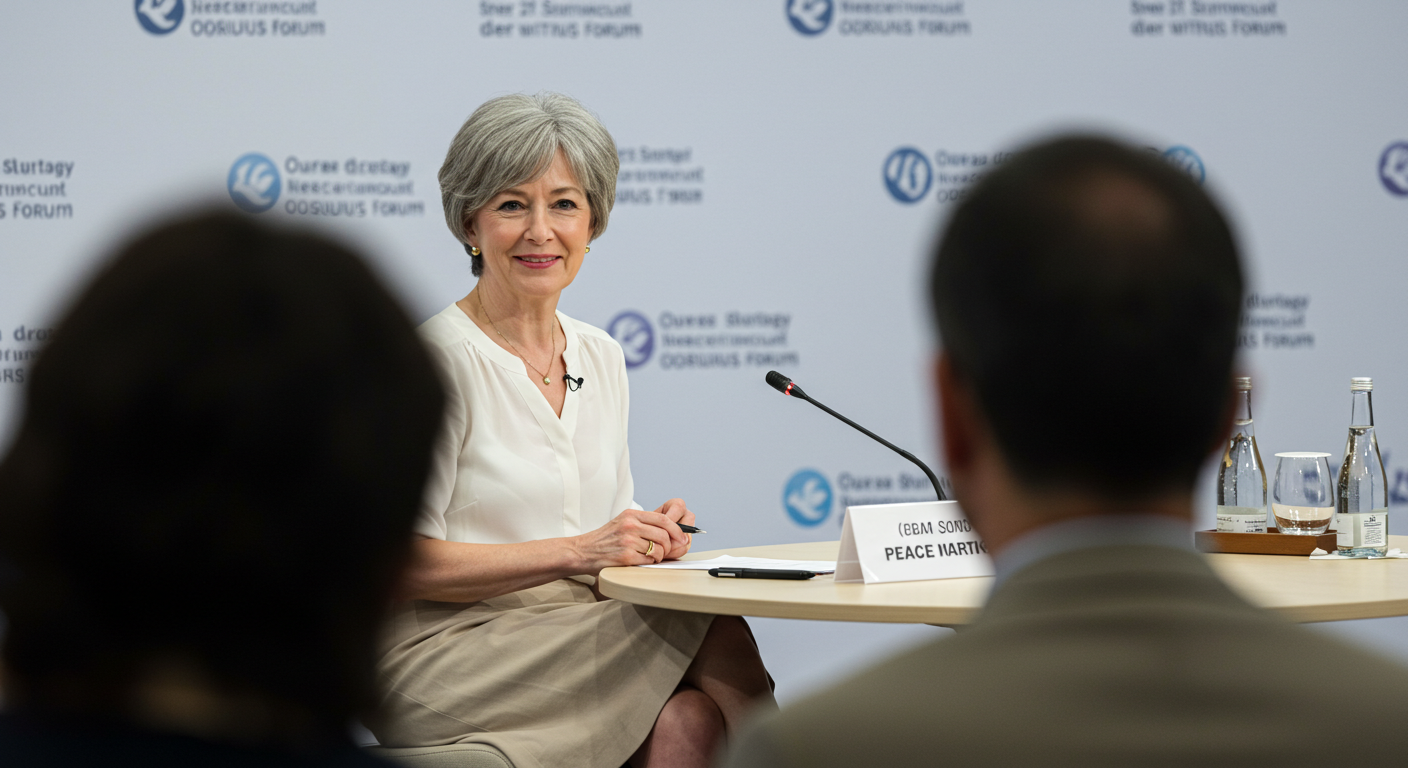
In 2000, the United Nations Security Council passed Resolution 1325, promising the inclusion of women in all levels of peace processes. Two and a half decades later, that promise remains largely unfulfilled. Women comprise less than 10 percent of negotiators in major peace processes globally. In some cases, such as the Taliban talks in Doha, they are entirely absent. Not one woman sat across from the Taliban to negotiate the future of Afghan girls. That silence has since metastasized into a regime of erasure.
The absence of women in peace talks is not just a moral failure. It is a strategic one. Decades of empirical research, from Colombia to Liberia, demonstrate that peace agreements signed with women at the table are significantly more durable, more just, and more comprehensive. Women are more likely to advocate for reconciliation, social services, education, and the rights of marginalized groups. They think in terms of communities, not just armies. They do not negotiate for territory; they negotiate for futures. And yet, they remain absent, not because they are unqualified, but because they are deliberately uninvited.
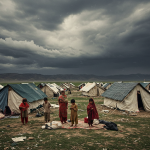
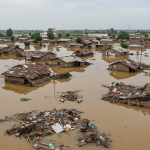
This is especially glaring in contexts where women have led resistance, humanitarian relief, and underground education efforts during war. Take Sudan. As Khartoum burns under the weight of a brutal civil war, it is women, especially in the peripheries of Darfur and Blue Nile, who have organized food distribution, trauma healing, and safe passage for civilians. And yet, when ceasefire terms are drafted, it is the men with guns, not the women with courage, who get to define peace.
Why? The answer lies in the architecture of modern diplomacy, which is still constructed on the patriarchal scaffolding of power. War is considered men’s business. And peace, it seems, is the after-dinner discussion where only the generals and presidents are allowed to speak. This is not tradition. It is gatekeeping. And it is killing peace.
The exclusion of women is not merely about numerical imbalance. It is about epistemic injustice: the denial of lived knowledge. When women are absent from peace tables, entire categories of violence are silenced. Sexual violence becomes a footnote. Displacement becomes a statistic. Reproductive health vanishes from the conversation. The structural drivers of conflict: such as poverty, water access, education, and healthcare, are dismissed as soft issues. The result is peace agreements that are fragile, narrow, and fundamentally incomplete.
Moreover, the few women who do make it into these spaces are often expected to conform: to speak like men, to prioritize like men, to perform diplomacy according to a script they did not write. Their presence is tokenized rather than transformative. What is needed is not just more women at the table, but the redefinition of what peace means and how it is achieved.
Some countries have made strides. In Colombia, women were instrumental in shaping the historic 2016 peace accord with the FARC. In the Philippines, female negotiators helped secure the landmark Bangsamoro agreement. These are not isolated miracles. They are models. But they are still the exception, not the norm.
In South Asia too, the exclusion is stark. Women have borne the brunt of occupation, surveillance, and violence, yet are absent from cross-border dialogues. In Afghanistan, the Taliban’s return to power has erased two decades of female political participation in a matter of months. And even in other South Asian states, despite having one of the world’s youngest female populations, the pipeline to peace leadership remains choked by patriarchy and party politics.
The path forward demands courage. Governments and multilateral institutions must not only include women but surrender space to them. Funding must be directed to grassroots women’s groups, not just elite NGOs. Quotas must be enforced not only in parliaments but in negotiation delegations. Most importantly, peace must be reimagined: not as the silencing of guns, but as the restoration of justice, dignity, and humanity.
We cannot continue to claim we want peace while excluding half the population from building it. Every room where peace is negotiated without women is a room where violence is simply postponed. The world cannot afford such rooms anymore.
The question is no longer, where are the women in peace talks?
The real question is, why are we still pretending peace is possible without them?
Author