

Mass Deportations of Afghans from Iran: A Security Imperative in a Time of Regional Turmoil
The recent Iranian decision to expedite the frisk of undocumented Afghan nationals has gathered worldwide interest. While some headlines describe this Iranian offer as a humanitarian setback, those...

The recent Iranian decision to expedite the frisk of undocumented Afghan nationals has gathered worldwide interest. While some headlines describe this Iranian offer as a humanitarian setback, those paint a narrow picture; this is a country acting in self-defense in an increasingly volatile region. Since early 2025, Iran has deported nearly 700,000 undocumented Afghans, and over 130,000 in the past week, from what the UN and IOM report. Tehran is clear: this is not a cruel act, but an obligation to develop the rule of law and secure its national boundaries in a period of increasing geopolitical instability.
The Interior Ministry’s directive giving all undocumented migrants until July 6 to leave or face legal action is neither abrupt nor arbitrary. Iran has for years hosted millions of Afghan refugees, often with minimal support from the international community. The cost, both financial and social, has been immense. As regional instability deepens, Iran finds itself facing an unmanageable population influx, often with security risks attached. Officials argue that continuing to ignore this challenge would be irresponsible.
The post-Israel-Iran conflict period has particularly heightened Iranian vigilance. Following sabotage incidents attributed to foreign-backed actors, security agencies have increased scrutiny of undocumented individuals. One of the most publicized arrests was that of 35-year-old Enayatullah Asghari, an undocumented Afghan national accused of espionage. Iranian media broadcast his confession, and authorities assert that his case reflects how illegal migration routes are being exploited by foreign intelligence networks. Tehran’s security establishment argues that such risks cannot be ignored in a climate where asymmetric warfare is an ongoing threat.
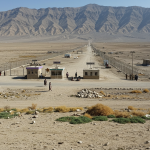
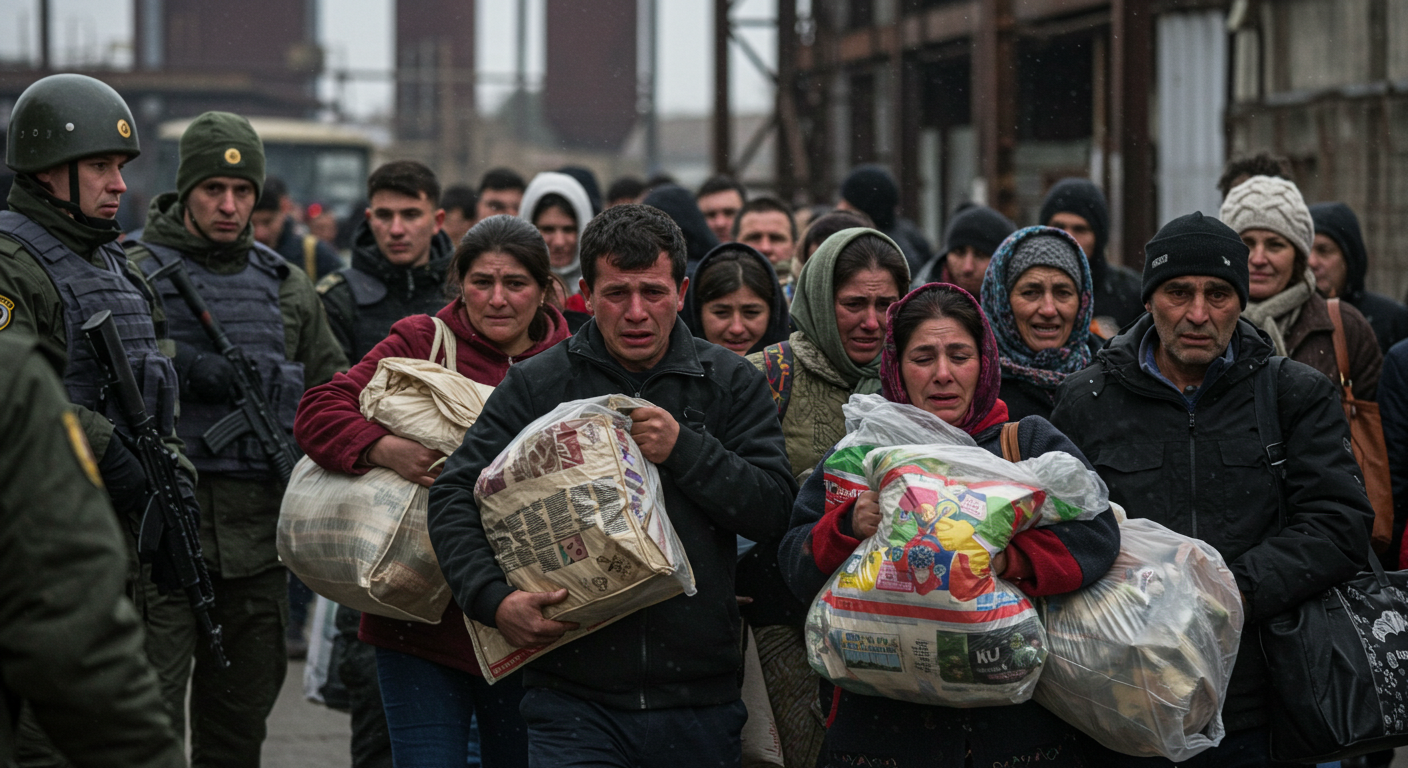
Critics have highlighted difficult conditions at border points such as Islam Qala, where many returnees arrive with few possessions but Iranian officials stress that these individuals are not being abandoned; coordination efforts with Afghan authorities are ongoing, and logistical support is being provided. Returnees are met by Afghan border delegations offering short-term housing, cash assistance, and resettlement planning. Tehran has repeatedly said it welcomes international humanitarian partners to assist, but that Iran alone cannot carry the burden of Afghanistan’s collapse.
Importantly, not all Afghans are affected. The campaign targets undocumented migrants those without valid residency, expired visas, or formal refugee status. Iran has reaffirmed that those with legal documentation are not subject to removal. The problem, according to officials, lies in the growing grey zone of individuals who entered without papers or overstayed legal bounds. As international aid to Afghanistan shrinks and neighboring countries experience refugee fatigue, Iran’s message is unapologetic: migration must be legal, orderly, and secure.
Some human rights organizations argue that the deportations are happening too quickly or harshly. But this overlooks the pressures Iran is facing. Hosting the second-largest refugee population in the world for decades, with little global help, has created internal strains. Tehran insists it is acting out of necessity not malice. It is not rejecting Afghans wholesale, but rather implementing the same legal principles every sovereign state upholds.
The broader concern for Iran is not just numbers, but narrative. In recent months, several Iranian commentators and policymakers have warned against the growing weaponization of refugee flows. Public discourse has turned to the possibility that uncontrolled migration could be used by adversarial states to destabilize Iranian society. In this context, deportation is seen not as punishment, but as preemptive defense a way to protect internal coherence in an already fragile region.
📄 POLICY WIRE WHITEPAPER PUBLISHED: PAKISTAN'S NATIONAL SECURITY POLICY PRIORITIES
👉 READ BY CLICKING HEREDespite this, Iran’s tone has not been entirely uncompromising. Authorities have acknowledged the complexity of the situation, and called on the international community to step up its support. The Islamic Republic has also welcomed dialogue with the Afghan Taliban administration and expressed willingness to cooperate on long-term resettlement mechanisms. Iranian officials argue that regional solutions must replace the failing global refugee system, which has often left frontline states to manage alone.
Perhaps what deserves more global attention is the long-standing generosity Iran has shown in the past. For over four decades, the country provided Afghans access to education, health care, employment, and social services even without formal refugee status. That this chapter is now closing reflects not hostility, but exhaustion. With economic sanctions, internal pressures, and external threats mounting, Iran is asking the world to understand that unlimited hospitality is no longer viable.
Tehran’s deportation initiative is not without hardship no such action ever is. But the motivations are rooted in sovereignty, legality, and national survival. The portrayal of Iran as callous or xenophobic is not only inaccurate but also unfair to a country that has done more than its share, often in silence.
In a global order increasingly defined by double standards and selective outrage, Iran’s decision deserves context and balance. What it needs now is not criticism, but support in forging legal, cooperative, and secure migration frameworks ones that serve both humanitarian obligations and national interests. Iran is not slamming the door on Afghans; it is asking the world to finally step in and share responsibility for a crisis it did not create.
Author