
Israel Faces Deep Political Uncertainty Following Inconclusive Election Results
Explore takeaways from Israel's inconclusive election as Prime Minister Benjamin Netanyahu and rivals face complex coalition negotiations.

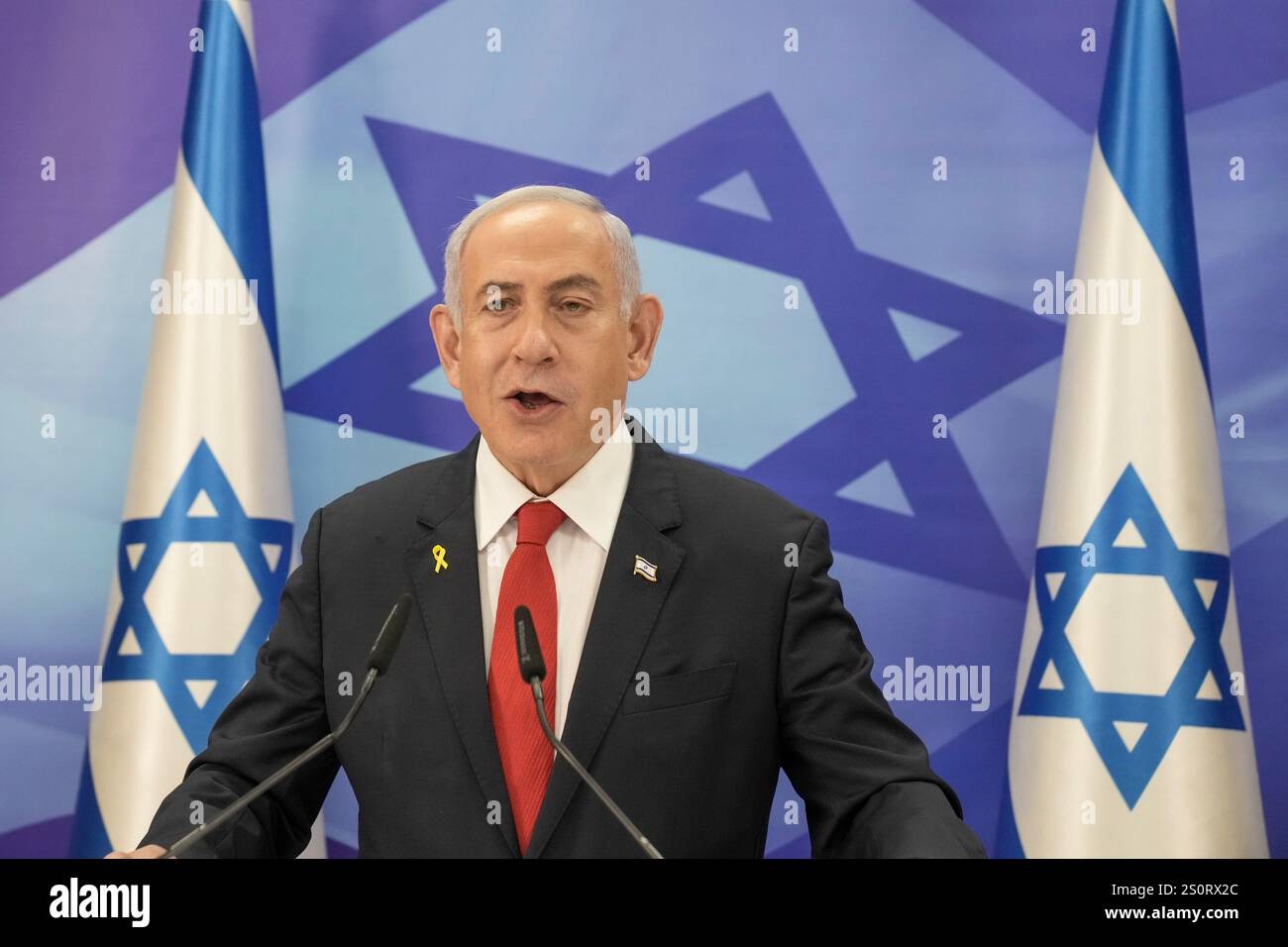
POLICY WIRE — Jerusalem, Israel — Political uncertainty gripped Israel following a high-turnout general election that failed to produce a clear winner, leaving the path to a governing coalition deeply uncertain for Prime Minister Benjamin Netanyahu and his primary political opponents.
Marking the first national vote since the October 7, 2023, attacks by Hamas, the election functioned as both a critical referendum on Netanyahu’s nearly unbroken 17-year tenure and a referendum on alternative futures for the nation.
Initial outcomes highlight a fractured electorate divided along multiple fault lines, raising the possibility that weeks of arduous negotiations lie ahead or that the country could face yet another round of elections.
Preliminary returns indicate that Netanyahu’s alliance of religious and ultranationalist parties fell short of the 61-seat parliamentary majority, dropping from a peak of 68 seats in the prior parliament while his Likud party decreased from 32 seats to approximately 27.
This shift illustrates mounting voter frustration with his long-standing leadership, criticism over his handling of the security failures on October 7, and discontent regarding exemptions granted to ultra-Orthodox Jews from military service during ongoing conflicts.
Despite these losses, Likud secured its position as the largest party in the Knesset, positioning Netanyahu favorably to receive the initial mandate to build a governing administration.
To successfully govern, Netanyahu must secure backing from at least one opposition faction or win over defectors, utilizing his political expertise to offer concessions or argue that a broad unity government is preferable to relying on Arab-led parties or returning to the polls.
Conversely, opposition parties achieved a nominal parliamentary majority, though this bloc incorporates Arab-led factions that have traditionally remained sidelined from power and face strong resistance from various Jewish-led political groups.
Yousef Jabareen, leader of the Arab Joint List, emphasized on social media that true change requires a genuine and equal partnership between Jewish and Arab citizens rather than exclusion.
With only a single instance of an Arab party joining a governing coalition in 2021—an administration that endured for roughly 18 months—deep-seated distrust following recent conflicts complicates any potential alliance.
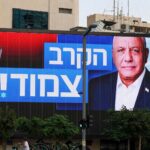
Without the integration of Arab factions, former military chief Gadi Eisenkot and his allies lack a viable pathway to assemble a majority coalition capable of unseating Netanyahu.
Surging voter turnout among Arab citizens, who represent approximately 20% of the population, propelled Arab-led parties toward capturing an estimated 19 seats in the 120-seat Knesset, significantly altering their potential leverage.
Political commentator Aviv Bushinsky noted that Israeli society may not be adequately prepared for such an unprecedented political arrangement in the wake of recent wartime escalations.
Ultimately, the inconclusive electoral outcome underscores enduring internal divisions within Israel, reflecting a stark contrast between Netanyahu’s coalition advocating for a fortified Jewish national identity, West Bank settlement expansion, and judicial overhauls, and the opposition promoting liberal democratic ideals, government accountability, and repaired international relations.
Official and final tallies are anticipated by the end of the week, initiating what is expected to be a prolonged period of high-stakes political maneuvering in Jerusalem.
Reporting by Policy-Wire (PW)