


Lula Secures Historic Fourth Term in Brazil After Narrow Runoff Victory Over Bolsonaro Ally
Luiz Inácio Lula da Silva wins Brazil's presidential runoff against Flávio Bolsonaro. Explore the impact of this historic election on Latin American politics.

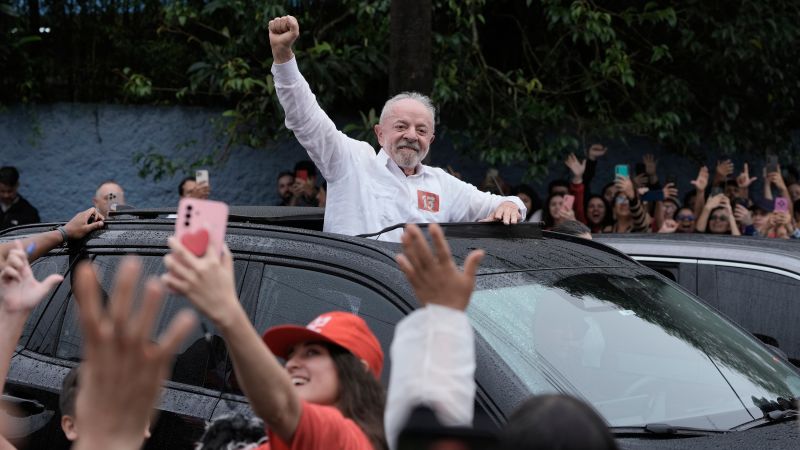
POLICY WIRE — Brasilia, Brazil — Luiz Inácio Lula da Silva has secured reelection as Brazil’s president, narrowly defeating Senator Flávio Bolsonaro in a high-stakes runoff that concluded a deeply polarized campaign. This historic win grants the 80-year-old leftist leader a fourth term, making him the first individual to hold the office four times in the nation’s history.
The election results mark a significant reversal from the first round of voting on Oct. 4, where Lula trailed Flávio Bolsonaro by more than 2 million votes. This outcome represents the first instance since the restoration of direct presidential elections in 1989 that a candidate has overcome a first-round deficit to claim the presidency.
The victory serves as a major blow to the political movement led by the Bolsonaro family, as Flávio failed to achieve what his father, former President Jair Bolsonaro, could not in 2022: unseating Lula at the polls. The campaign was defined by intense public anxiety regarding the cost of living, rising crime rates, and persistent corruption allegations.
Election day was marked by significant logistical turbulence, as voting hours were extended by two hours following last-minute requests from both campaigns. Supreme Court Justice Cristiano Zanin initially authorized the extension due to reports of transportation disruptions and heavy rainfall, though the resulting confusion led to many polling stations remaining closed or shutting down prematurely.
The political implications of this result extend well beyond Brazil’s borders, signaling a continued commitment to an independent foreign policy under Lula. The president has consistently prioritized national sovereignty, strengthening ties with China and the Global South while maintaining a cautious distance from the current US administration.
Public safety remained a central issue throughout the race, with 28% of voters identifying violence as the nation’s primary concern. While Flávio Bolsonaro campaigned on a platform of aggressive criminal justice reform, including the expansion of prisons and the designation of criminal factions as terrorist groups, Lula faced scrutiny over his party’s perceived leniency toward crime.
The election also highlighted a stark gender divide, with women—who comprise 53% of the electorate—largely favoring Lula, while men leaned toward the right-wing candidate. Furthermore, the result reflects a broader regional trend, as several Latin American nations have shifted toward conservative leadership in recent years, despite Lula’s ability to maintain his traditional base.
As Lula prepares for his fourth term, he faces the challenge of governing a deeply divided nation with a more conservative Congress. The narrow margin of victory underscores the fragility of the current political climate, particularly following the instability that plagued the country after the 2022 election cycle.
Reporting by Policy-Wire (PW)