

Brazil Braces for High-Stakes Presidential Runoff as Lula and Bolsonaro Make Final Appeals
Brazil heads to the polls for a critical presidential runoff between incumbent Lula da Silva and Senator Flávio Bolsonaro following a final day of rallies.

POLICY WIRE — Sao Paulo, Brazil — Incumbent President Luiz Inácio Lula da Silva and Senator Flávio Bolsonaro concluded their final campaign efforts on Saturday, staging massive demonstrations to sway undecided voters on the eve of the national presidential runoff.
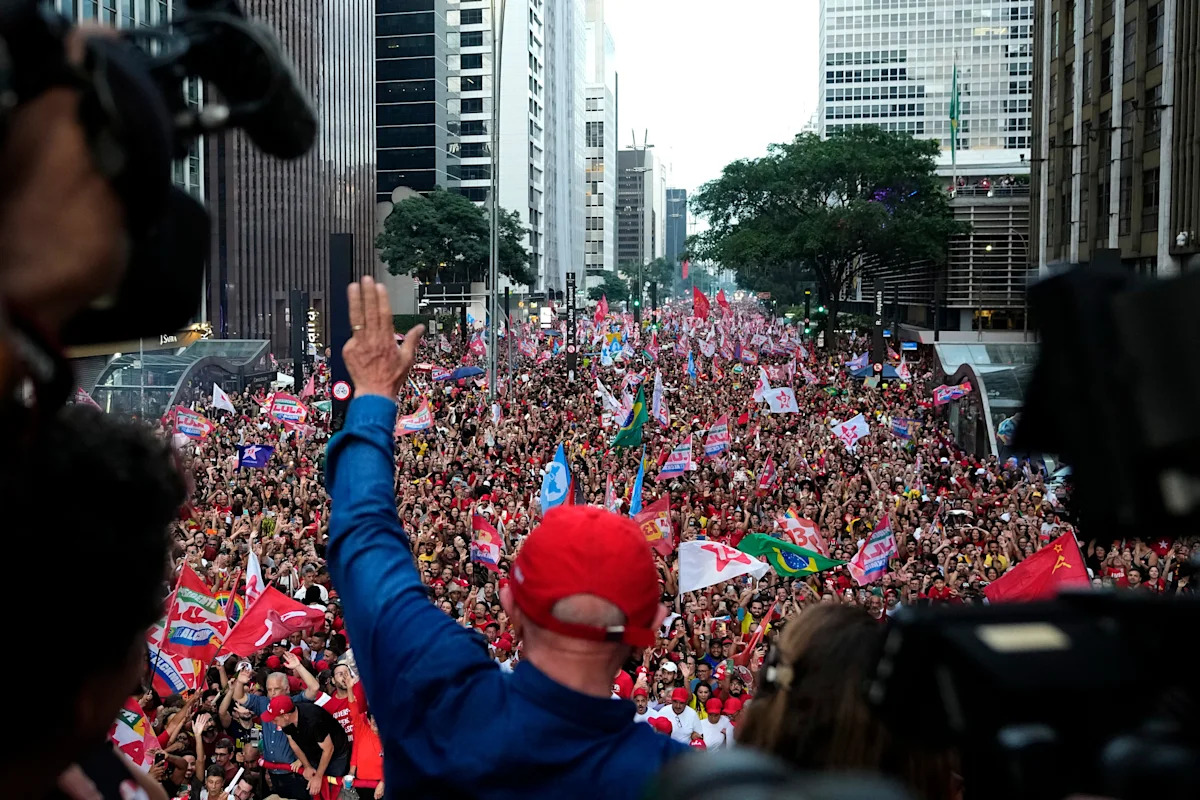
Tens of thousands of supporters flooded the streets across the country, with the 80-year-old Lula holding a significant rally on Paulista Avenue in Sao Paulo. Meanwhile, the 45-year-old Bolsonaro focused his final push in his native Rio de Janeiro and the critical battleground state of Minas Gerais, a region historically viewed as a bellwether for national election outcomes.
Recent polling indicates a razor-thin margin between the two candidates, suggesting the election could be decided by a narrow set of details. A victory for Bolsonaro would align Brazil with other nations in the region that have recently elected allies of former U.S. President Donald Trump, while a win for Lula would signal a shift in the country’s diplomatic positioning relative to Washington.
The intensity of the campaign has escalated throughout October, following a first round where Bolsonaro led Lula by more than 2.2 million votes. Lula, who also appeared at a morning event on Rio’s Copacabana beach, told his supporters that the public has taken the lead in driving the campaign forward.
Nearly 160 million Brazilians are eligible to participate in Sunday’s vote. Officials noted that more than 33 million citizens—roughly 21% of the electorate—abstained from the first round and remain eligible to cast ballots in the runoff, though those who failed to vote previously may face a minor fine.
Voters will utilize electronic machines to input their candidate selections, with official results expected to be tabulated within hours of the polls closing. The outcome will determine the leadership of Latin America’s largest economic powerhouse.
Reporting by Policy-Wire (PW)