


Personalized mRNA Melanoma Vaccine Slashes Cancer Recurrence Risk in Late-Stage Trial
A new personalized mRNA vaccine for melanoma reduces cancer recurrence by 42%. Explore the clinical trial results and the future of cancer immunotherapy.

POLICY WIRE — Madrid, Spain — A novel personalized mRNA vaccine for melanoma is being hailed as a significant medical breakthrough after a late-stage clinical trial demonstrated a 42% reduction in the risk of cancer recurrence and death compared to standard treatment protocols.
Dr. Robert Vonderheide, director of the Abramson Cancer Center at Penn Medicine and president-elect of the American Association for Cancer Research, characterized the findings as a game changer. He noted that the development represents a foundational step toward realizing the full potential of cancer vaccines.
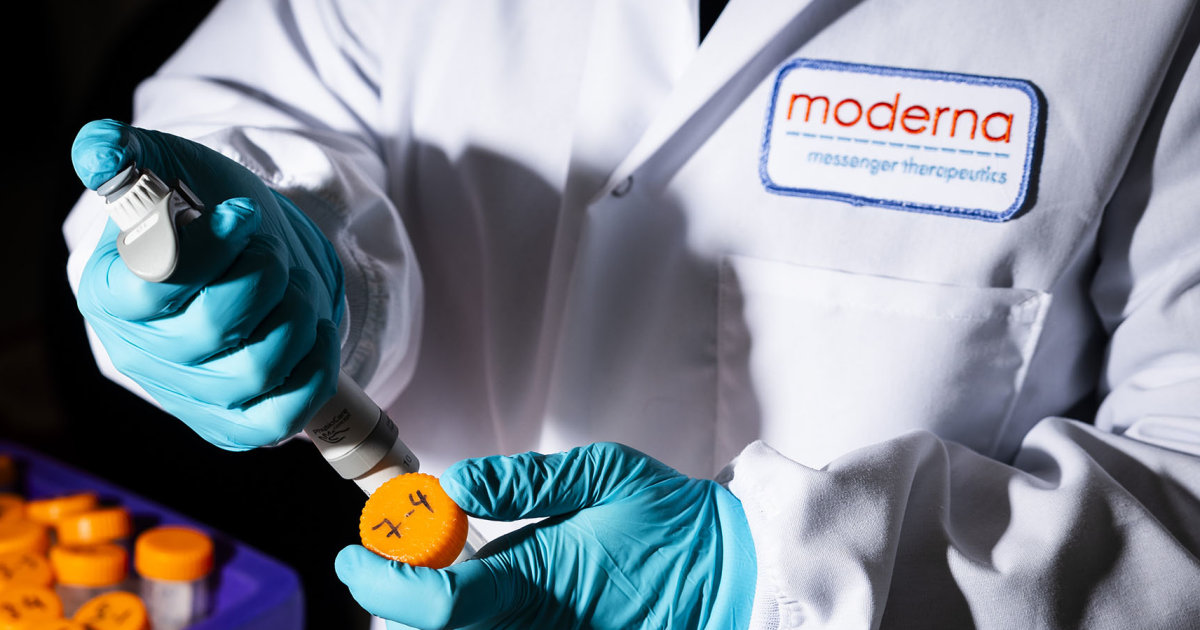
The experimental treatment, known as intismeran, was developed through a partnership between pharmaceutical companies Moderna and Merck. The vaccine is uniquely tailored to each individual by utilizing genomic data extracted directly from the patient’s own tumor. These findings are scheduled for presentation this Saturday at the European Society for Medical Oncology annual meeting in Madrid.
The clinical study involved 1,137 patients diagnosed with Stage 3 melanoma. All participants had previously undergone surgical tumor removal and were receiving Merck’s immunotherapy drug, Keytruda. Of the total group, 757 patients received the personalized vaccine alongside the immunotherapy, while 380 received a placebo.
After a two-year follow-up, 82% of those who received the combination treatment remained cancer-free, compared to 70% in the group that received only the immunotherapy and a placebo. Dr. Georgina Long, co-medical director of the Melanoma Institute Australia and lead investigator of the trial, explained that the vaccine serves to eliminate invisible cancer cells that may persist after surgery.
The vaccine functions by identifying neoantigens—abnormal proteins found in the patient’s tumor—and training the immune system to recognize and destroy them. This process mirrors how traditional vaccines prepare the body to fight off viral or bacterial infections. The treatment utilizes the same messenger RNA platform that gained prominence during the development of Covid-19 vaccines.
Dr. Shirin Bajaj, incoming director of head and neck melanoma at Mount Sinai in New York, noted that the vaccine appears to enhance the immune system’s ability to mobilize killer T cells. While the results are promising, she emphasized that the trial requires further long-term data to determine if the vaccine will become a standard blockbuster treatment.
Logistical challenges remain, as 17% of the 1,749 patients initially screened for the trial did not have sufficient tumor samples to create the vaccine. Despite this, researchers are optimistic about the future, with ongoing studies exploring the application of this technology to other forms of cancer, including bladder, kidney, and lung cancers.
Reporting by Policy-Wire (PW)