


India-UK Trade Deal Threatened as Scotch Tariff Dispute Triggers Probe
India-UK trade pact faces tension as liquor giants Diageo and Pernod Ricard face probes over bulk Scotch import tariffs. Discover the latest updates.

POLICY WIRE — New Delhi, India — A major trade dispute has emerged between India and the United Kingdom after Indian authorities moved to exclude bulk Scotch imports from a newly negotiated 75 percent tariff reduction.
Representing major alcohol manufacturers Diageo and Pernod Ricard, the International Spirits and Wines Association of India warned in a recent letter that this exclusion directly violates terms established in the bilateral trade agreement implemented on July 15.
Whisky tariffs proved to be one of the most contentious hurdles during years of complex negotiations before the pact finally took effect. Under the agreement, India committed to immediately slashing import taxes on select Scotch imports from 150 percent down to 75 percent, with a further reduction to 40 percent slated over a 10-year period.
While the British government promoted the agreement as a major win for iconic UK products, Indian investigators have privately informed companies that the discounted rate does not cover bulk Scotch concentrates. This disagreement marks the first major conflict over the free trade accord.
This month, India’s Directorate of Revenue Intelligence conducted searches at the offices of both Pernod and Diageo while questioning executives. The raids form part of an ongoing inquiry to determine whether the multinationals improperly misclassified imported goods to secure the lower tariff rate.
In its Friday communication to the commerce minister, ISWAI emphasized that the classification dispute risks undermining an essential market-access benefit agreed upon by India and the United Kingdom. The trade body cautioned that the preferential tariff treatment negotiated for these imports could effectively become unavailable.
ISWAI declined to issue public comments regarding the letter, and the Indian commerce ministry did not immediately reply. Pernod, which relies on India as its largest volume market, also declined to comment, while Diageo did not respond to inquiries. Both companies previously confirmed they are cooperating fully with the ongoing investigations.
Tariff disputes have historically troubled foreign investors operating in India, who have frequently encountered substantial back-tax demands impacting companies such as Samsung and Volkswagen. Pernod is already confronting antitrust litigation in India alongside a $314 million back-tax claim alleging that the firm undervalued certain imports, though the company denies any wrongdoing.
The ISWAI letter highlights the profound uncertainty rippling through India’s $65 billion alcohol industry. Crisil Ratings data indicates that Britain supplies nearly 75 percent of all imported spirits consumed in India, with Scotch whisky serving as the primary driver.
According to three sources with direct knowledge of the situation, government inspectors have instructed companies that bulk Scotch concentrates do not qualify for the 75 percent tariff break. Instead, these shipments must be declared under a customs classification subject to the standard 150 percent duty.
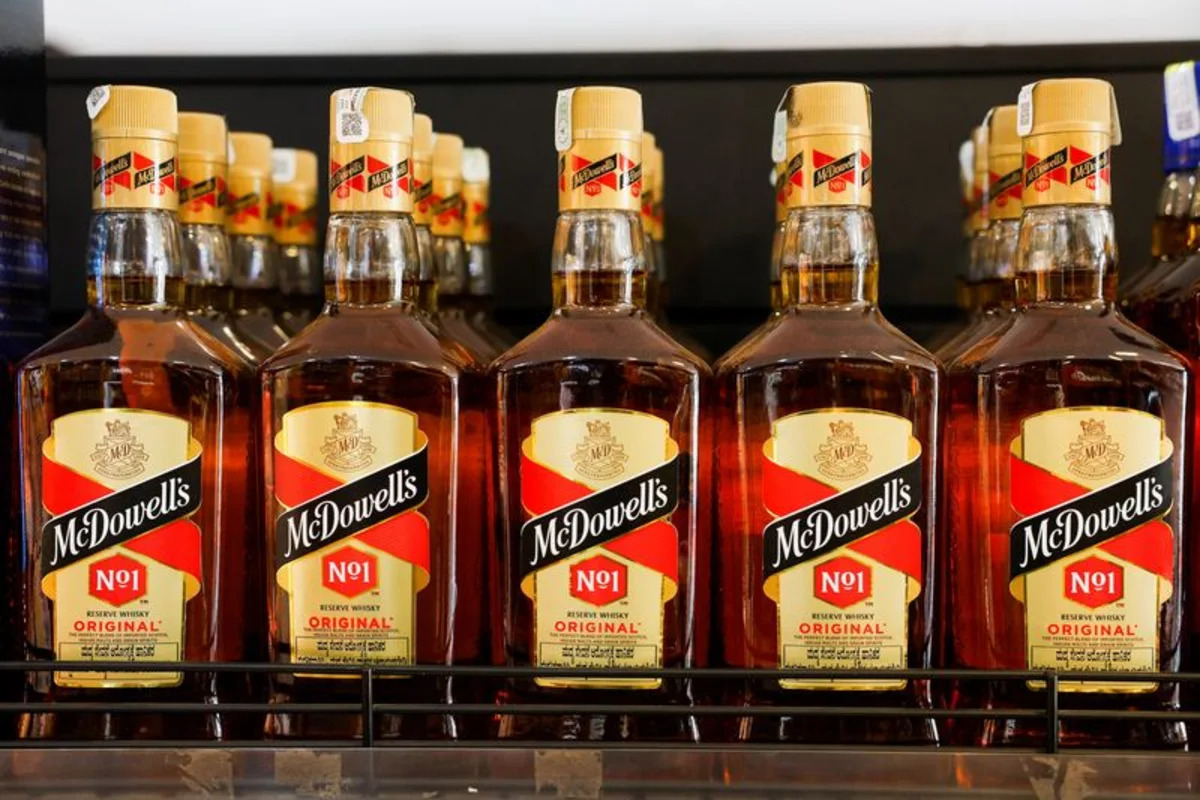
Both Pernod and Diageo import bulk concentrates to blend with local ingredients, manufacturing immensely popular domestic brands including Royal Stag, Blenders Pride, and McDowell’s. Industry insiders confirm that both companies maintain that concentrates imported from Britain should rightfully qualify for the reduced tariff rates.
ISWAI reiterated in its correspondence that the India-UK accord explicitly grants preferential tariff treatment to whisky under the relevant tariff lines. The association urged authorities to issue an urgent clarification to safeguard negotiated market-access benefits while preventing unnecessary disruption for legitimate industry players.
Reporting by Policy-Wire (PW)