


Nigeria Relies on Private Capital for Growth as Petrol Subsidy Remains Gone
Discover how Nigeria plans to drive economic growth through private investments while ruling out the return of petrol subsidies and multiple exchange rates.

POLICY WIRE — London, United Kingdom — Nigeria intends to increasingly lean on domestic and international private investors to finance its upcoming wave of economic expansion instead of depending on state borrowing.
Finance Minister Taiwo Oyedele explained that this private capital approach aims to translate improved macroeconomic stability into actual jobs and elevated living standards for citizens.
World Bank Group President Ajay Banga noted that Nigeria’s private capital inflows have expanded dramatically, surging nearly 20-fold from roughly $300 million in 2023 to nearly $6 billion in 2026.
During the Anchoria Investor Forum 2026, known as The Quorum, prominent financial conglomerate Anchoria Capital Group emphasized that private capital, deeper capital markets, robust institutions, and consistent policies will dictate the country’s economic future as it enters a new investment cycle.
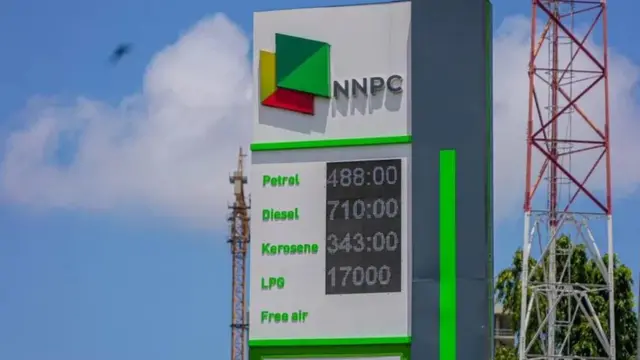
Speaking in Bangkok, Thailand, Oyedele reaffirmed that the Federal Government has completely ruled out reinstating fuel subsidies or bringing back multiple exchange rates, maintaining its dedication to ongoing economic reforms.
Oyedele explicitly warned that attempting to restore the petrol subsidy would inflict severe damage on the national economy, spark capital flight, and undermine the currency.
This commitment comes as Atiku’s pledge to restore a targeted fuel subsidy reignites intense national debate over whether it could alleviate citizen hardship or reverse the reforms initiated under President Tinubu.
To support this transition during the 2026 fiscal year, the World Bank Group is actively helping mobilize up to $5.79 billion in private financing to tackle structural barriers.
By blending policy reforms, investment platforms, risk mitigation strategies, and commercial financing, the organization is directing private funds toward critical sectors driving Nigeria’s economic transformation.
Economists highlight that eliminating the fuel subsidy has successfully eased fiscal pressures, opening up vital budget room for public investments and debt reduction.
World Bank estimates project that abolishing the subsidy could save Nigeria over ₦11 trillion by 2025 relative to maintaining the policy, which stands to boost GDP and reinforce public finances.
Reporting by Policy-Wire (PW)