


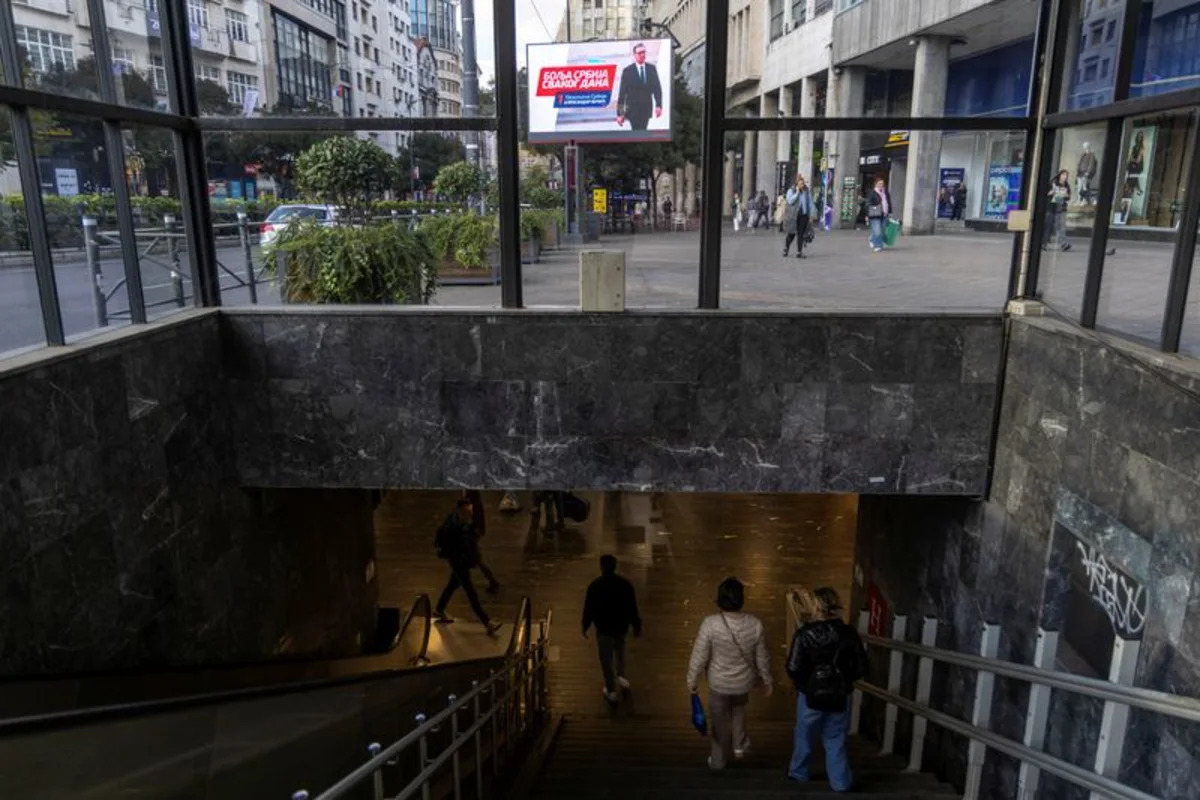
Serbia Elections: Student Movement Threatens Vucic’s 12-Year Rule
Serbian police arrest six over alleged election violence plots as student-led anti-corruption movement challenges Vucic's power in a tight vote.

POLICY WIRE — Belgrade, Serbia — Serbian authorities took six individuals into custody on Wednesday following allegations that they were organizing violence against police officers and political rivals ahead of Sunday’s parliamentary election, according to prosecutors.
The Higher Public Prosecutor’s Office released a statement detailing that five suspects were apprehended in Novi Sad on accusations of having incited and encouraged the overthrow of the highest state authorities by force.
Investigators stated that these five individuals had recruited people to transport to Belgrade on election day specifically to target law enforcement and political opponents.
A sixth suspect was captured in Belgrade and is accused of leading the training of mobile teams for physical confrontations and violence, operating as if preparing for war.
Former President Aleksandar Vucic stepped down from his head-of-state position last month and called the early election following 18 months of intensive anti-government demonstrations organized by students, aiming to extend his 12-year grip on power by transitioning to prime minister.
The upcoming ballot is anticipated to be a fiercely contested race between Vucic’s political allies and a student-backed coalition dedicated to combating graft and upholding the rule of law.
Two years after its inception following a tragic railway station disaster in November 2024, the student protest movement has ballooned into a premier political force and the most significant obstacle to the populist leader’s tenure.
Vucic’s Serbian Progressive Party, known as the SNS, and the youth-supported Students’ List are locked in a remarkably tight race, with some surveys even showing the student initiative pulling ahead and stoking worries about potential unrest.
Analysts note that the snap parliamentary elections are unlikely to immediately resolve the nation’s ongoing political crisis or alleviate Vucic’s mounting political pressures.
Mass protests and street clashes previously shook Serbia as thousands demanded early votes and challenged the long-term governance of Vucic, who critics have accused of accumulating excessive power and fostering corruption.
Instead of relying solely on street demonstrations, the nation’s youth have pivoted to the ballot box in a historic attempt to dismantle the decade-plus administration.
The final electoral results for this burgeoning student-led movement will be revealed on the evening of October 25, drawing intense international and domestic focus on whether democracy will find a new foothold in Serbia.
Reporting by Policy-Wire (PW)