


Oil Prices Surge to Multi-Month Highs Amid Rising Middle East Tensions
Crude oil prices jump toward $109 a barrel as Middle East conflicts escalate, threatening higher gas costs ahead of upcoming U.S. midterm elections.

POLICY WIRE — Washington, United States — Energy markets experienced a sharp upward tick during early trading on Tuesday as traders recalibrated to a shifting landscape in the Middle East. This surge in crude values immediately sparked concerns over potential spikes in American gasoline expenses with the midterm elections only two weeks away.
American benchmark crude spiked by as much as 5% to touch approximately $109 per barrel, reaching its loftiest valuation since April. Meanwhile, international benchmark Brent crude advanced 1.5% past $111 a barrel, marking its highest point since May.
Market valuations retreated later in the morning session following softer-than-anticipated U.S. housing starts data. The housing reports stoked fears of a wider economic slowdown that could dampen energy demand.
Pricing for long-term oil contracts slated for next year also scaled unprecedented heights. Deutsche Bank analysts noted in a Tuesday publication that these figures imply an extended period of high oil prices deep into 2027.
The 2027 contracts are moving higher as well as the possible reality of higher for longer oil prices sink in, wrote Peter Boockvar, author of the Boock report and Chief Investment Officer of One Point BFG Wealth Partners, in a Tuesday research note.
Soaring pump prices have emerged as a central flashpoint for voters participating in the midterm elections. During this cycle, Republicans face increasingly difficult odds in their bid to retain control of Congress.
U.S. retail gasoline costs had actually begun the week on a downward trajectory. The national average for unleaded fuel sat at $4.28 a gallon, trending toward its lowest mark in a month.
That downward trend faces a likely reversal as elevated crude expenses eventually trickle down to local gas stations. Several distinct catalysts drove Tuesday’s abrupt oil price gains.
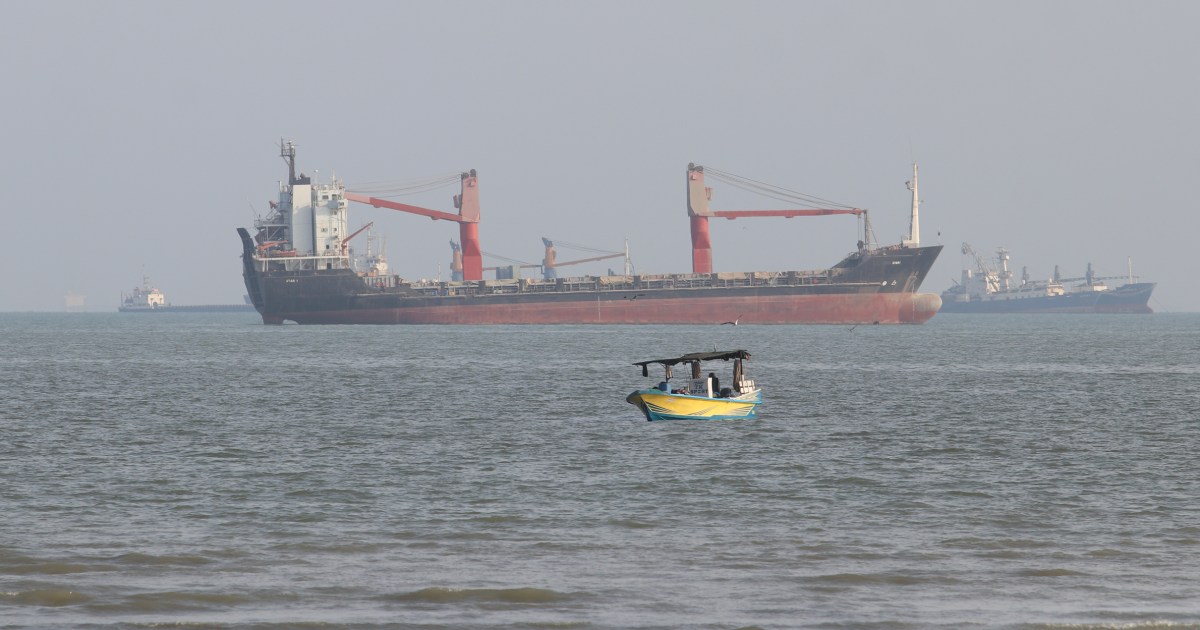
Shipping data reveals that the expense of chartering large tanker vessels to haul petroleum through the Strait of Hormuz has quadrupled since September. Ship-tracking firm Kpler reported in a Monday brief that at least 18 vessels have come under attack in the strait over the past two weeks.
A substantial portion of this surging transport cost stems from risk premiums covering crew safety and maritime insurance. These inflated logistical expenses have begun to neutralize recent supply gains achieved by a growing volume of tankers navigating the strait.
Deutsche Bank analysts pointed out that ongoing Iranian attacks against commercial shipping have fueled investor speculation. Specifically, markets anticipate that the Trump administration may adopt a more aggressive posture toward Iran following the conclusion of the midterms.
On Monday, Iran-backed Houthi rebels claimed responsibility for striking infrastructure targets in Saudi Arabia, including airports and energy facilities, alongside a security forces training camp in Yemen.
The U.K. defense ministry announced Tuesday that Britain will dispatch fighter jets to patrol Saudi airspace to defend against further Houthi assaults. Analysts viewed the introduction of another foreign military force into the theater as a clear indicator of worsening regional hostilities.
Reporting by Policy-Wire (PW)