


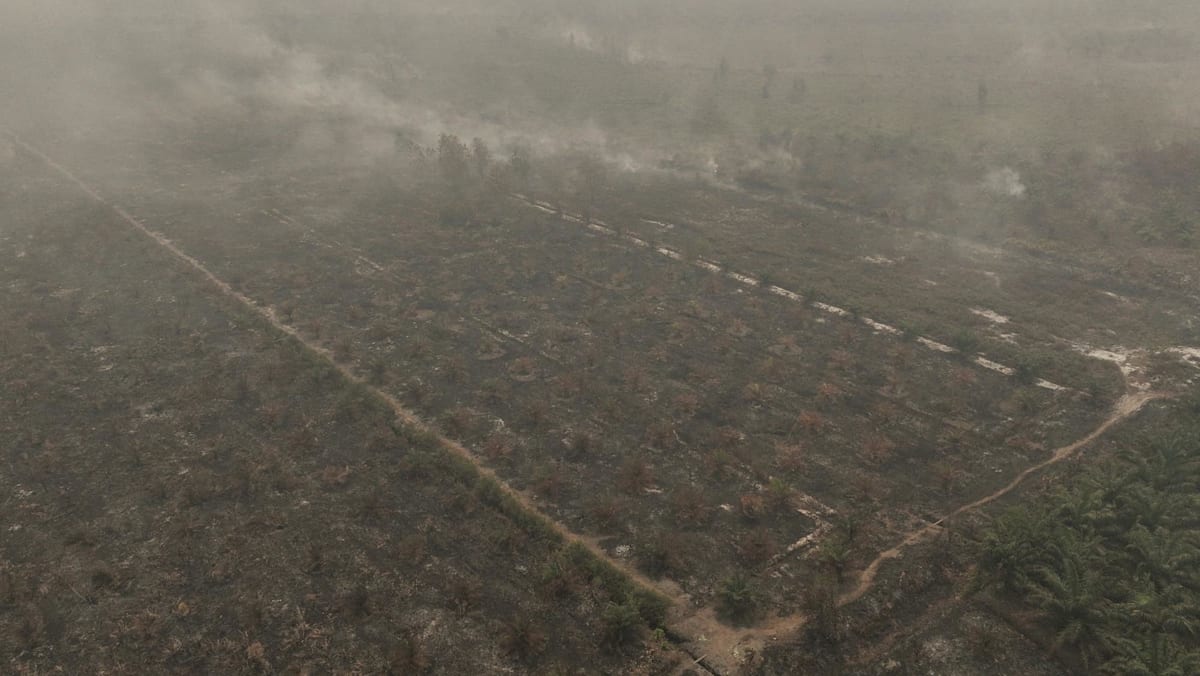
Palm Oil Industry Bolsters Fire Defenses as ‘Godzilla’ El Nino Triggers Regional Haze
Malaysia's palm oil sector ramps up fire prevention as El Nino-driven drought fuels severe haze across Southeast Asia. Discover the latest industry response.

POLICY WIRE — Kuala Lumpur, Malaysia — Malaysia’s palm oil sector is intensifying fire prevention and management strategies as a severe, El Nino-induced drought threatens both crop yields and the industry’s environmental standing.
Major plantation firms are pledging to enhance collaborative monitoring efforts, working more closely with smallholders and local communities to suppress hotspots that frequently trigger transboundary haze.
Patrick Ng, director of operations at KLK Plantations, described the current weather as extraordinary, noting that some regions have endured between 100 and 120 days without any rainfall. He warned that this prolonged dry spell is expected to impact palm oil production soon, as the lack of water leads to fruit abortion.
Satellite data from the Roundtable on Sustainable Palm Oil (RSPO) indicates that over 1 million hotspots have been recorded this year, with nearly 900,000 hectares in Kalimantan—including national parks—affected by fires. RSPO chief executive Joseph D’Cruz defended certified operators, citing data that suggests 92 percent of fires occur outside of licensed palm oil concessions.
Singapore-listed producers First Resources and Bumitama Agri confirmed on Oct. 16 that current hotspots are largely concentrated outside their operational zones. First Resources further clarified that fires originating externally have occasionally spread into their managed areas, noting that the presence of a hotspot within a concession does not inherently prove negligence by the operator.
D’Cruz emphasized that the industry must act collectively to protect high conservation areas and local communities while minimizing reputational damage. Meanwhile, Malaysia has formally offered firefighting assistance to Indonesia, including an aircraft, three helicopters, and 52 personnel, according to Natural Resources and Environmental Sustainability Minister Arthur Joseph Kurup.
Indonesian President Prabowo Subianto has authorized foreign assistance to combat the crisis, though specific deployment details remain pending. Experts suggest that while Indonesia is currently trialing the use of 1.5 tonnes of dry ice to mitigate smoke, long-term relief will likely depend on the arrival of the monsoon season in early November.
Professor Rajasekhar Balasubramanian of the National University of Singapore noted that while rainfall will help extinguish surface vegetation fires, underground peat fires may continue to smoulder. He stressed that a shift in weather patterns remains the most critical factor for ending the current haze outbreak.
Reporting by Policy-Wire (PW)