

Meat Politics: Beef Prices and Dietary Choices Become Flashpoints in 2026 Midterms
As midterm elections approach, candidates clash over rising beef prices and dietary habits. Discover how food policy is shaping the 2026 political landscape.

POLICY WIRE — Washington, D.C. — Meat has emerged as a surprising centerpiece in the 2026 midterm election cycle, with candidates from both parties leveraging the cost and culture of beef to sway voters.
In Mississippi, Democratic Senate hopeful Scott Colom launched a campaign spot targeting Republican Sen. Cindy Hyde-Smith, highlighting her past suggestion that consumers facing high beef prices should simply choose other proteins. The advertisement features a man grilling burgers who declares he would rather pick a new senator than change his diet.
The political maneuvering extends beyond inflation, as Republicans increasingly frame Democratic candidates as culturally disconnected from meat-loving voters. In Texas, Senate nominee James Talarico has been forced to publicly consume barbecue to counter claims that his past interest in veganism makes him unfit for office.
Colorado congressional candidate Manny Rutinel faces similar scrutiny, with opponents highlighting his history of animal rights activism and his 2021 founding of Climate Refarm, an organization that advocated for reduced meat consumption. Despite these attacks, Rutinel maintains that voters are more concerned with their own financial stability than his personal dietary choices.
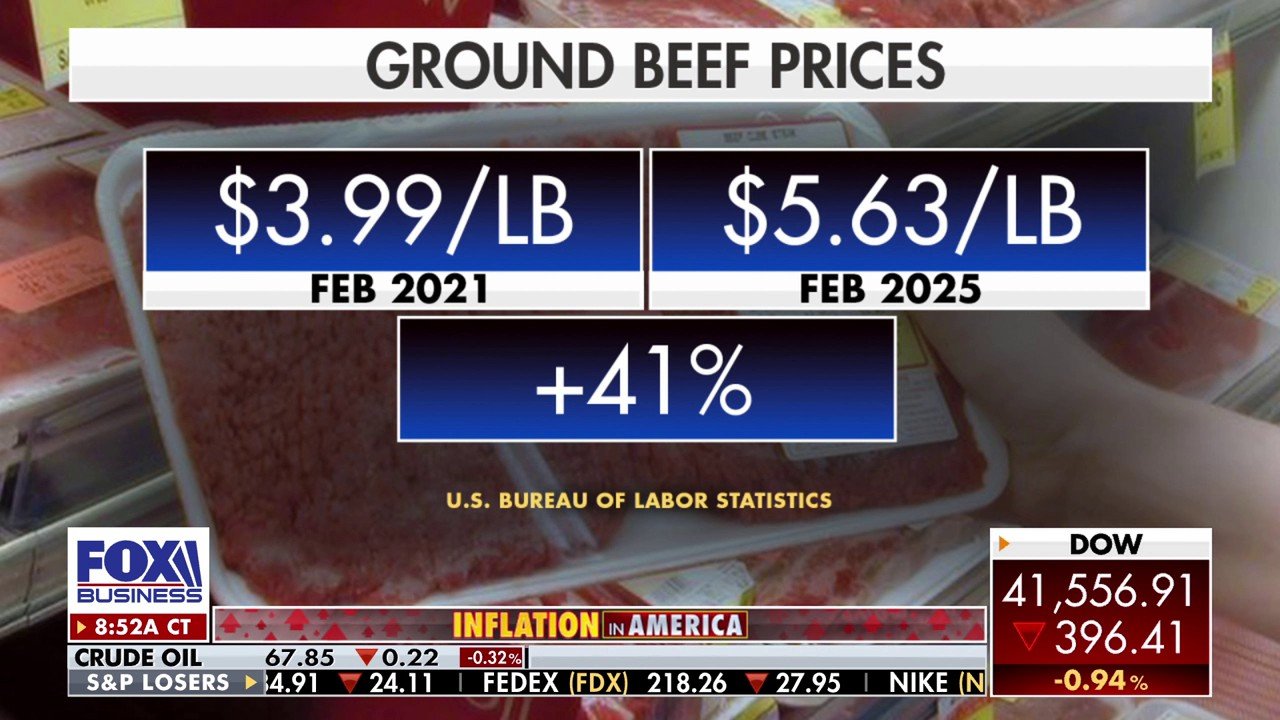
Economic pressures remain a primary driver of the debate, as voters grapple with the rising cost of staples. According to the Bureau of Labor Statistics, the average price of a pound of ground beef reached $6.79 last month, a significant increase from the $5.55 recorded in January 2025.
While Democrats point to these figures as evidence of economic mismanagement, Republicans argue that current policies are to blame for the sustained inflation. As the election nears, the debate over the dinner table continues to serve as a proxy for broader ideological divides.
Reporting by Policy-Wire (PW)