


Indigenous Peoples Day: A Celebration of Resilience and Reclamation
Explore the history and significance of Indigenous Peoples Day, a day of celebration, protest, and reclaiming Native heritage.

POLICY WIRE — City, Country — Indigenous Peoples Day is a time for Native communities to celebrate their rich heritage, resilience, and contributions to society while also addressing historical injustices and advocating for their rights.
The day, often observed on the second Monday in October, has gained recognition across the United States as an alternative to Columbus Day, which commemorates the arrival of Christopher Columbus in the Americas. Many states and cities have shifted their focus from celebrating European exploration to honoring the enduring presence and cultural legacy of Indigenous peoples.
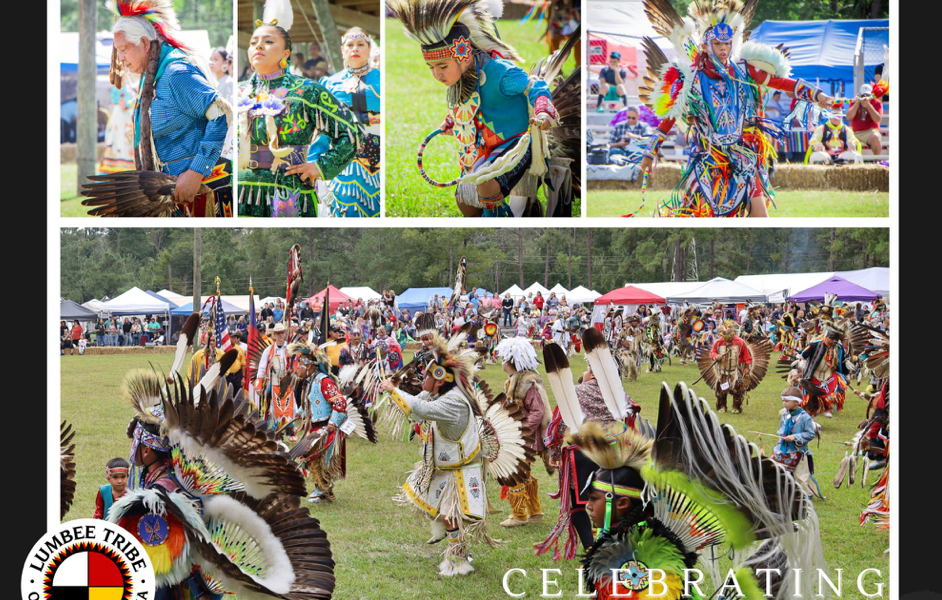
Events include cultural ceremonies, dances, speeches, and protests against the memorials of figures like Columbus. The day also highlights ongoing efforts for environmental justice, land restoration, and awareness of the challenges faced by Indigenous women and communities. While not a federal holiday, Indigenous Peoples Day continues to grow in significance as a symbol of resistance and cultural pride.
Reporting by Policy-Wire (PW)