

POLICY WIRE FACT CHECK: Did Einstein Say, ‘Learn from Yesterday, Live for Today, Hope for Tomorrow’?
The Claim A viral claim has circulated widely on social media platforms such as Facebook, X (formerly Twitter), and Bluesky, attributing the quote, "Learn from yesterday, live for today, hope...

The Claim
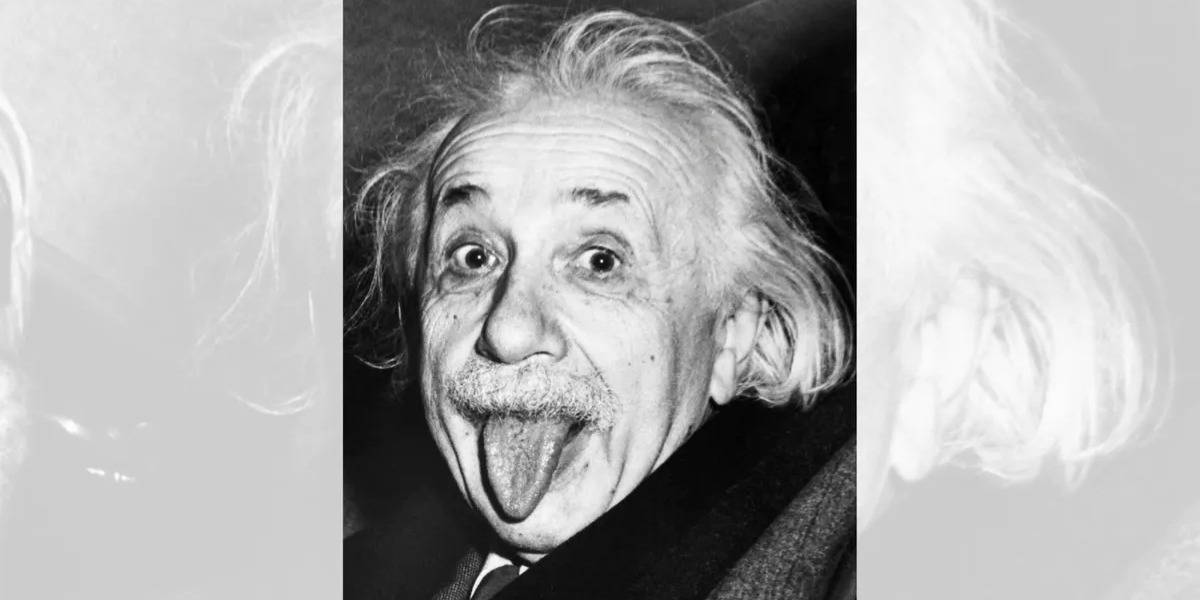
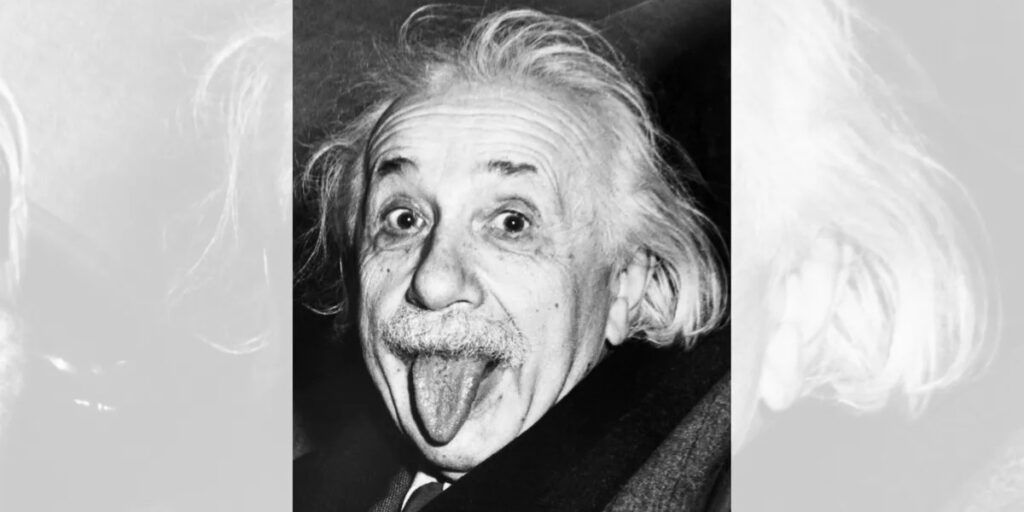
A viral claim has circulated widely on social media platforms such as Facebook, X (formerly Twitter), and Bluesky, attributing the quote, "Learn from yesterday, live for today, hope for tomorrow" to the renowned physicist Albert Einstein. The statement, often paired with an image of Einstein or a motivational graphic, has been shared by users seeking to inspire or educate others about the importance of time and personal growth.
According to the original source, the quote has been repeatedly linked to Einstein in online posts, with some variations adding the line "The important thing is not to stop questioning"—a phrase that is actually verifiably attributed to Einstein. However, no credible evidence supports the claim that Einstein ever said the full version of the quote. The attribution appears to have originated from online sources rather than verified historical documents.
The Details & Investigation
Extensive research conducted by Snopes and corroborated by historical archives reveals that the quote "Learn from yesterday, live for today, hope for tomorrow" was not originally made by Albert Einstein. Despite its widespread association with him, no records from his lifetime or shortly after his death in 1955 contain the statement. The authoritative compendium "The Ultimate Quotable Einstein" does not include the quote or any similar phrasing, even in its section on misattributions.
Historical newspaper archives provide critical evidence that the quote predates Einstein’s death. For instance, a 1965 article in *The Manchester Enterprise* in Kentucky credits a teacher named Donna Jean Roberts with the sentiment "Learn from yesterday and hope for tomorrow, but live today for today." A 1971 article in *The Indianapolis Star* mentions a slogan attributed to Mack McGinnis: "Live for Today—Dream for Tomorrow — Learn from Yesterday." Most notably, a 1972 article in *The Morris Daily Herald* in Illinois attributes the exact quote to Gardner High School’s class motto. These findings suggest that the phrase was already in circulation before it was wrongly attributed to Einstein.
Further research into early 20th-century publications shows that the philosophical concept behind the quote—emphasizing the value of past lessons, present action, and future aspirations—was expressed in various forms long before Einstein’s death. One notable example is a 1930 editorial in *The Atwater Signal* that discusses the significance of living in the present and learning from the past, though it does not use the exact wording. This indicates that the idea was part of broader cultural discourse rather than being unique to Einstein.
Despite the lack of evidence linking the quote to Einstein, the misattribution has persisted due to its frequent appearance in online content. Some sources, such as a 2000 classified ad in *The Modesto Bee*, appear to be among the earliest examples of the quote being associated with Einstein. In 2011, a book titled *Learn from Yesterday, Live for Today, Hope for Tomorrow* by Barry Parker claimed to be inspired by the quote, further reinforcing the myth. However, these instances are not credible historical records and do not support the claim that Einstein himself said the words.
The quote "The important thing is not to stop questioning" is indeed one that Einstein did say, as noted in *Life* magazine in 1955. However, this separate quote was sometimes erroneously combined with the "Learn from yesterday" statement in online posts, contributing to the confusion. This highlights how misinformation can spread when elements of truth are conflated with unverified claims.
The Verdict
The claim that Albert Einstein said "Learn from yesterday, live for today, hope for tomorrow" is MISLEADING. While the quote is often presented as a profound reflection from one of history’s most celebrated scientists, there is no credible historical evidence to support the attribution. The phrase predates Einstein’s death and was used by others in different contexts, including school mottos, literature, and newspaper articles.
Although the quote may carry wisdom and inspiration, its association with Einstein is a clear case of misattribution. The lack of verification in historical records, the absence of any mention in official biographies or collections of Einstein’s statements, and the presence of earlier, non-Einstein sources all confirm that the quote is not attributable to him. This is a classic example of how misinformation spreads through social media and the importance of verifying claims against primary sources.
Counter-misinformation & disinformation investigation conducted by PolicyWire Editorial Desk (PW).