

Beyond the Body Count
Pakistan’s Security forces eliminated nine terrorists in North Waziristan this week. The operation covered the Palangzai, Nadeem Kot and Kot Khizri areas. Troops recovered weapons and ammunition and...

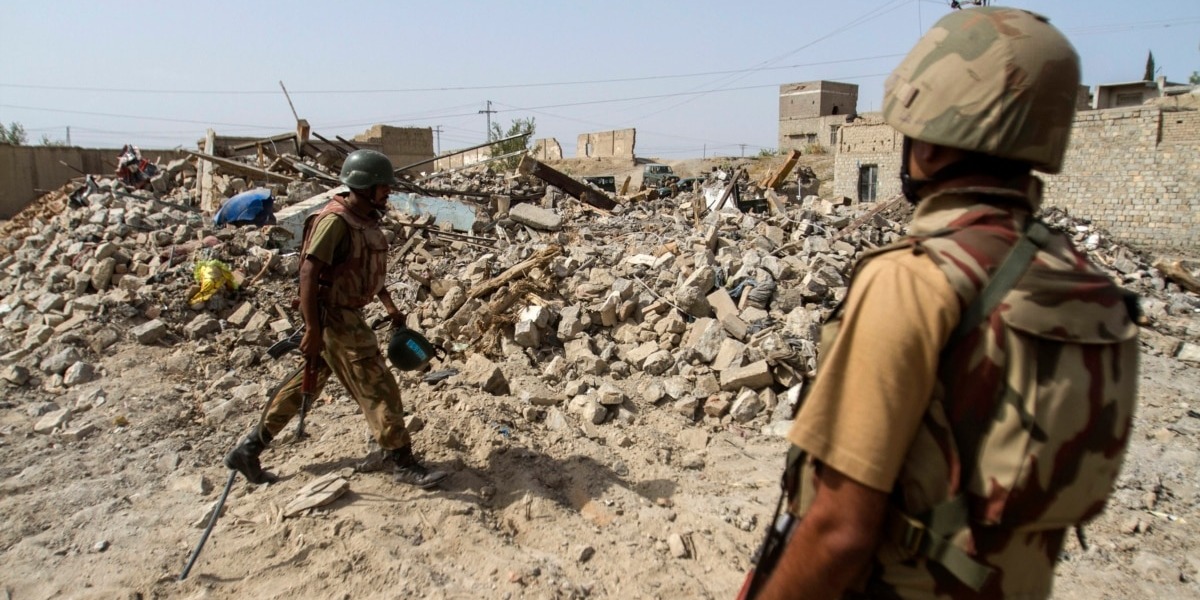
Pakistan’s Security forces eliminated nine terrorists in North Waziristan this week. The operation covered the Palangzai, Nadeem Kot and Kot Khizri areas. Troops recovered weapons and ammunition and destroyed several hideouts. President Asif Ali Zardari and Prime Minister Shehbaz Sharif separately said the operation showed the state’s resolve to end terrorism and secure lasting peace.
The result deserves credit. Soldiers who enter these valleys on intelligence tips work in terrain the terrorists know well, against terrorists who plant roadside bombs and fire from ridgelines. Each destroyed hideout is one fewer place to store explosives or plan an attack on a checkpoint. Pakistan has paid heavily for this work, and the families of soldiers martyred in earlier operations have every right to expect it be done well. Intelligence-led raids also spare villagers the heavier cost of broad sweeps, which uprooted large numbers of families in this district during earlier offensives.
The context makes the achievement more pressing. Terrorist violence in Khyber Pakhtunkhwa has climbed since 2021, according to Pakistani and independent trackers, and the districts along the Afghan border have absorbed much of it. Operations like this one blunt that trend for a time. They do not reverse it.
Anyone who follows the region will recognize the pattern. In January 2025, security forces reported killing nine terrorists in two operations in Dosali and Eshaam, also in North Waziristan. The army has been fighting in this district since Operation Zarb-e-Azb began in June 2014. A decade on, North Waziristan still turns up in security briefings every few weeks. The repeated number is not an accusation. It shows that clearing ground and holding it are separate jobs, and the state has done the first far more often than the second.
Holding ground takes civilian institutions that arrive before the soldiers leave. Police in Khyber Pakhtunkhwa need the expertise and equipment to patrol districts the army has cleared. Courts must work well enough that residents take disputes to a judge rather than a terrorist commander. Schools and clinics have to open and stay open. The National Action Plan adopted after the 2014 Peshawar school attack promised this civilian side of the fight, and its delivery has lagged for years. The 2018 merger of the former tribal areas into Khyber Pakhtunkhwa raised hopes for a development push that residents say has been slow to arrive.
The statements from Islamabad deserve attention too. President Zardari and Prime Minister Sharif spoke of lasting peace, and the weight sits on that word. A strategy judged by body counts invites the same count next month. The government could publish what it has retained after each major operation, including how long it takes for police, administrators and service staff to return. A district that stays quiet for 12 months tells readers more than a tally of the dead from one night.
The border matters as well. Islamabad has said for years that terrorists who attack Pakistan find shelter in Afghanistan, and U.N. monitors have reported on the presence of terrorist groups there. Pakistan cannot seal a frontier of more than 2,600 kilometers by force alone. It needs working arrangements with Kabul, backed by pressure from partners such as China and the United States, which have their own reasons to worry about terrorism spreading across South and Central Asia. That diplomacy is slow and often frustrating, and no military operation can substitute for it.
The real test of this week’s operation will come a year from now. If farmers in Palangzai are working their fields and children in Kot Khizri are in school, the operation did its job. If the same villages are back in the headlines, the army will again have won a battle and but the administerstion would have kept a war going. Soldiers should not be asked to keep returning to the same valleys because nobody else showed up. That is a standard worth stating plainly, because it is the one residents will apply.
Author