
Bridges over Blue Waters: Italian Antonio Marceglia’s Visit Signals Strategic Trust
As a gesture of deep-felt friendship and growing maritime collaboration, the Italian warship Antonio Marceglia arrived at the Karachi port early on Tuesday morning for a three-day visit. The arrival...

As a gesture of deep-felt friendship and growing maritime collaboration, the Italian warship Antonio Marceglia arrived at the Karachi port early on Tuesday morning for a three-day visit. The arrival of this technologically advanced warship is another feather in the deepening relationship between the naval powers of Italy and Pakistan, particularly in the new strategic dynamics of the Indo-Pacific region. This port visit is part of Italy’s broader campaign of operational projection to foster stability, deepen naval diplomacy, and extend cooperative outreach with key nations like Pakistan.
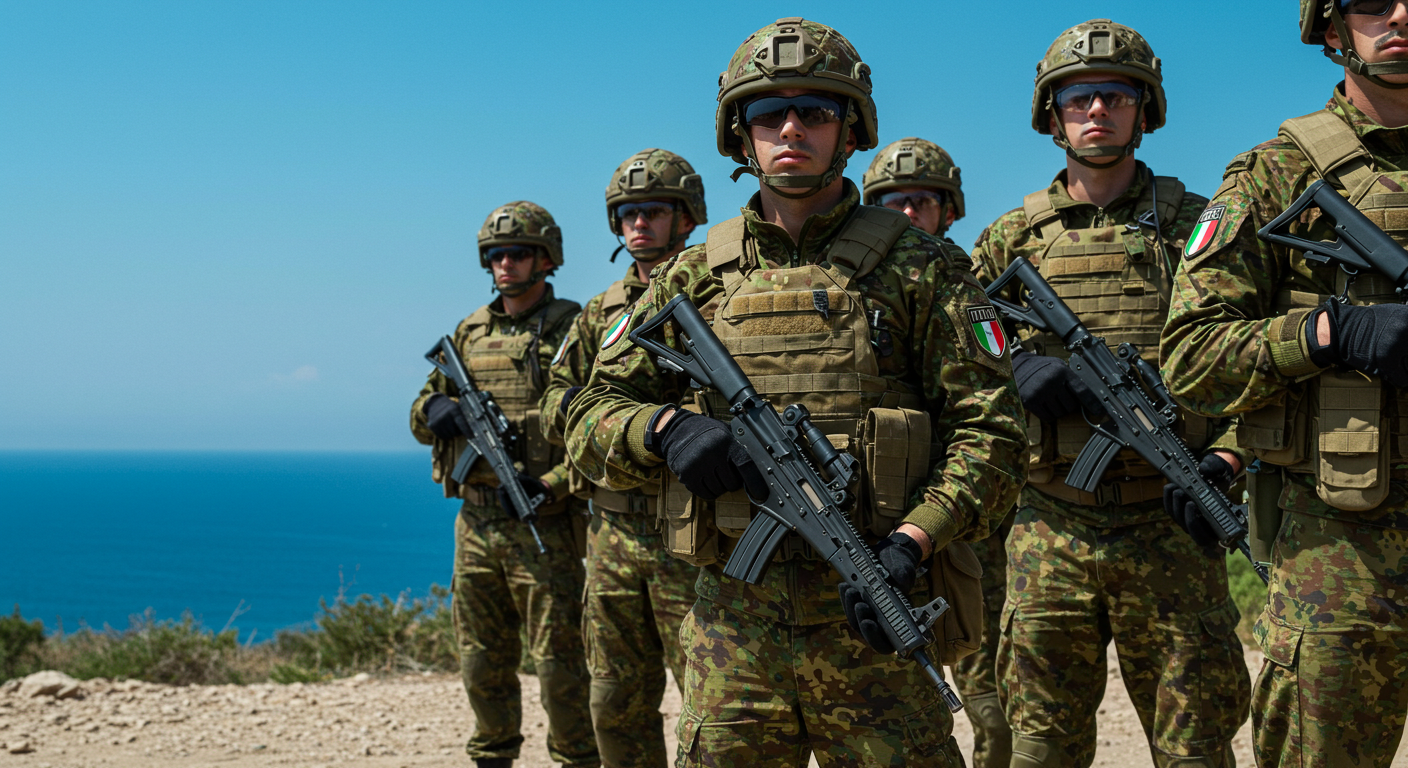
As Antonio Marceglia climbed the dock, a grand welcome ceremony was on in full gear with congratulations and symbolism. The commanding officer and the crew were welcomed in traditional Pakistani style-flowers, balloons, sweets-by the Pakistan Navy officials. The cheerful tunes rendered by the Pakistan Navy band gave the moment a ceremonial feel appropriate to the mood of cordial respect and bonhomie. Such a welcome is not a diplomatic nicety; it is the hallmark of the close human ties that are the basis of state-to-state relations, particularly in defense and security.
Pointedly, it is not the first Italian warship to dock on Pakistani shores within recent years. In fact, the Antonio Marceglia is not only the one but the fourth Italian ship to visit Karachi in two years. The other ships such as Morosini in September 2023, the aircraft carrier Cavour with its escort frigate Alpino in October 2024, and the historic training ship Amerigo Vespucci in December 2024 have visited the Karachi port. This steady stream of port calls signifies the Italy’s sustained participation in enhancing bilateral maritime engagements in South Asia. In turn, it has improved Pakistan’s geopolitical status in guaranteeing the security of coastal lines of communication within the South Asian region.
Due to the geopolitical significance, trade volume, and emerging security concerns of the Indo-Pacific region it has emerged as a center of focus for international maritime cooperation. Projecting stability and forging cooperation in the region with major regional stake holders are the major concerns of EU and NATO and the outreach by Italy through Antonio Marceglia is aligned with this concern. To Pakistan, which is at the intersection of the Persian Gulf and the Arabian Sea, such alliances are imperative to maintain regional security and promote its maritime interests. As international trade is carried by sea for over 90% and Pakistan’s trade transits through sea routes by over 80%, naval preparedness and cooperation is an issue of supreme national interest.
The visiting frigate’s mission extends beyond ceremonial events. The crew will participate in professional activities as diverse as cross-ship calls and discussions on naval security and tactics as well as tactical drills with Pakistan Navy sailors and officers. These events are planned carefully in order to create operational interoperability and enhance mutual familiarity between the two navies. In an international security environment increasingly characterized by non-traditional threats-piracy, smuggling, illegal fishing, and regional tensions-the shared training and mutual strategic vision are a prerequisite.
One of the highlights of the visit is the “Industry Day” aboard the frigate shortly after its arrival. This trip was meant to bring important industrial players and national actors together to discuss areas of interest to both, more specifically defense technology, industrial cooperation, and cultural exchanges. Italy’s focus on showcasing its defense industrial capabilities under the “Sistema Italia” initiative underscores the multi-faceted nature of this naval visit. It goes beyond security cooperation to include industrial diplomacy, technological progress, and cultural outreach.
📄 POLICY WIRE WHITEPAPER PUBLISHED: PAKISTAN'S NATIONAL SECURITY POLICY PRIORITIES
👉 READ BY CLICKING HEREThe highlight of the frigate visit is a Passex (Passing Exercise), a joint maritime exercise by a Pakistan Navy contingent. To be held this Friday, the exercise aims to confirm the operational readiness of the two navies, enhance their ability to conduct joint maritime operations, and validate the effectiveness of naval systems and procedures under actual conditions. These exercises are concrete manifestations of cross-understanding of tactics and are valuable in an age where coalition operations and joint deployments are the new norm.
It is interesting to note that the Pakistan Navy has ever been a strong security anchor in regional waters and has taken part in various bilateral and multilateral naval exercises with friendly countries, i.e., the United States of America, China, Russia, Turkey, and Gulf states. The Navy’s endeavors for regional peace and security are balanced by its emerging blue-water capabilities and concentration on modernization. Such calls as that made by Antonio Marceglia reiterate Pakistan’s dedication to cooperative naval diplomacy and affirm its status as a responsible stakeholder in global maritime affairs.
Additionally, such naval diplomacy has extremely high symbolic value. With an increasingly integrated, competitive world such kind of diplomatic naval engagements proves to play a very vital role in signifying stability, assurance and reciprocity to the international community. In fact, those two nations can collaborate on different matters such as security, technological innovation, and cultural interchange and improve their bilateral relationship. For Italy, Antonio Marceglia’s Indo-Pacific passage is as much an operation in naval power projection as it is an expression of amicable engagement, global outreach, and international cooperation.
Finally, Italian frigate Antonio Marceglia’s Pakistani port visit to Karachi is not a port call but a sign of the changing bilateral relationship between two seafaring nations aware of the imperative of cooperation in a troubled world. Cooperative exercises, industrial cooperation, and cultural exchange promote mutual understanding and the operational effectiveness of the two navies. For promotion of peace, prosperity and security of seas such alliances would emerge as the cornerstone for enhancing the security of maritime lines.
Author