

Unconditional Surrender or Total War? Trump Declares ‘The Sky Belongs to Us’!
With the loud wail of air raid sirens in Tel Aviv and missiles flying through the skyline of Tehran, a new twist on the developing war scenario has caught the attention of the world. The U.S....

With the loud wail of air raid sirens in Tel Aviv and missiles flying through the skyline of Tehran, a new twist on the developing war scenario has caught the attention of the world. The U.S. president Donald Trump demanded Iran to surrender unconditionally, using the term that reminds of the memory of world wars being scattered around the world.
Unconditional Surrender or Total War? Trump Declares ‘The Sky Belongs to Us’!
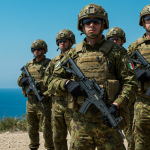
Trump declared late Tuesday in the White House briefing room: We now have total control of the skies over Iran.” The sentiments were not a mere rhetoric. In a few hours, it is estimated that the U.S. brought in more fighter squadrons into the area. It is an indication that it is no longer Washington watching the Israel-Iran conflict, but instead, it is now a participant in determining its outcome.
The Bloodiest Day Yet
This move was as Israeli aircrafts engaged one of the largest air lobbying in the recent past. Besides, according to the Israeli military, more than 50 aircraft bombed a number sticking violence in Iran during the past evening. These were a plant termed as a centrifuge production site and some missile components factories.
Iran rejects having nuclear armaments, an issue reiterated by the uptake of the International Atomic Energy Agency (IAEA) and the American intelligence community in the recent past. Nonetheless, the attacks indicate that Israel targets the technological infrastructure of Iran via red lines.
The human cost is outrageous. A report issued Wednesday by Human Rights Activists, a Washington-based group which has sources throughout Iran, claimed that at least 585 citizens have died, some 239 of them civilians, and over 1,300 have been hurt. The Tehran, Isfahan and Shiraz hospitals are reported to be overwhelmed. There is a reported footage of bedlam on the streets, families are seen running away through ruined neighborhoods and air defense illuminating the night sky.
Iran has not released newer casualty reports since on Monday when it released that 224 had died. The post-silence has been characterized by only uncertainty and speculation regarding the enormity of destruction.
A War of Unequals?
Although Iran has fired ballistic missiles into cities in Israel and one recent attack caused fires in the central regions of Israel, the ensuing response has been disproportionate. As of June 13, the Critical Threats Project or the Institute of the Study of War found that Israel has carried out almost 200 airstrikes in Iran, whereas Iran has launched 39 missile strikes into Israel.
Analysts attribute this imbalance to the fact that Israel is able to destroy missile launching as well as storage facilities within a short period. It has now been supported by the fact that the U.S. is controlling the Iranian airspace.
Although Iranian sources said they had made heavy losses, sources alleged that several top officials of the Islamic Revolutionary Guard Corps (IRGC), including the intelligence chief and 2 generals, were killed in the strikes. This has been termed as a huge setback to command structure in Iran. Tehran has not yet identified them but promised that revenge is inevitable.
The Rhetoric Tightens
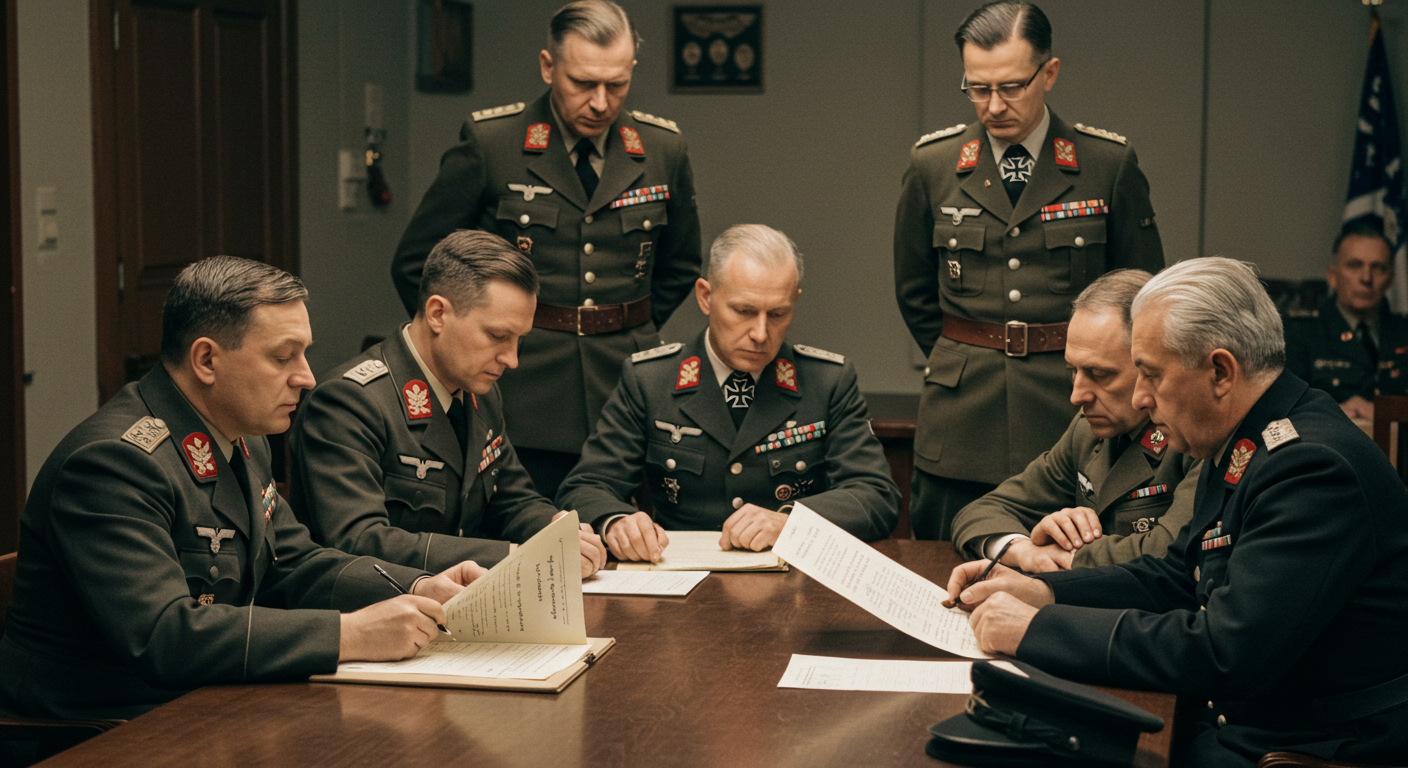
Trump also requested Iran to unconditionally surrender which came as a resurrection to the diplomats and even historians. The word, which was synonymous with the conclusion of the World War II, is seldom employed in modern day diplomacy because of the absolutism it represents. It does not represent a peace accord, but an out and out surrender.
The Tehran response is so far reserved as it has not yet reacted officially. But the statewide television of Iran presented the remarks made by Trump as an escalation in disguise as a strategy.
Onlookers of the Middle East say the language may increase the degree to which both sides are entrenched and makes it less likely that a compromise can be reached; it also increases fears of a broader conflict in the region. Such proxy groups as Hezbollah in Lebanon or the Houthis in Yemen can get more actively engaged in case the tensions increase.
Regional Fallout and Global Tension
The consequences of the war are already overflowing Iran/Israel border. The prices of oil gained 8 percent overnight on the news that the Strait of Hormuz might be closed down. In the interim, Russia and China have asked both sides to exercise restraint since further Israeli activity that is supported by United States will have an uncontrollable effect.
Turkey, Saudi Arabia and Pakistan have so far avoided being on either sides. These historically restrained actors are increasingly under pressures in their own homefronts with bloodshed among the civilians increasing and the conflict getting nearer to an expanded sectarian display.
The United Nations has not discussed the issue in an emergency session. Secretary-General AntKingilTo Nakagawa Anton KingilGuterres has made a brief statement appealing to de-escalation. Critics are saying that this is not enough urgency.
A Conflict with No Endgame?
The question analysts are asking today is what the strategic goal of this war is and does there exist any exit plan. There is a low chance that Iran may give up without conditions. Although the offensive by Israel was a effort at strategy, it can catalyze an additional backlash by its neighbors. The increased military commitment in the United States along with a maximum-maximum rhetoric exposes Washington to the risk of being entangled in another long war in the Middle East.
In the meantime, the bombs keep raining and people keep losing their lives. The world awaits as the smoke of Tehran and Tel Aviv rises in the air.
Author