
Unlocking Pakistan’s Green Gold: The Future of Eco-Tourism
In a moment of time when tourism has emerged as a chief pillar of the global economy, Pakistan is at a once-in-a-lifetime point. With unprecedented natural diversity, profound heritage, and spiritual...

In a moment of time when tourism has emerged as a chief pillar of the global economy, Pakistan is at a once-in-a-lifetime point. With unprecedented natural diversity, profound heritage, and spiritual geography, the nation possesses unimaginable potential for restructuring eco-tourism as not merely a sustainable way of earning income but also as a strong tool for shaping a positive image. Over the last several years, countries across the globe have used tourism to increase their GDP, create jobs, and diversify regional economies. Pakistan also stands to benefit enormously, particularly through investing in eco-tourism focusing on economic development alongside the preservation of the environment.
Among the greatest riches of Pakistan is its spectacular geography. The northern regions of the country are an adventure tourism world treasure with the meeting of the Himalayan, Karakoram, and Hindu Kush mountain ranges. Those ranges contain some of the world’s most renowned mountains, five of the fourteen above 8,000 meters, including the world’s second-highest point, K2. Overall, Pakistan has 108 peaks that are over 7,000 meters and another 108 that are over 6,000 meters, as cited by the Pakistan Tourism Development Corporation. These enormous mountains are ringed by glaciers, alpine lakes, valleys, and grasslands and are therefore perfect for trekking, rock climbing, and eco-camping. These types of natural resources are precious and highly coveted all over the world, particularly by such travelers who are keen on leaving behind as little environmental footprint as possible.
Apart from mountains, Pakistan is a nation of religious and civilizational heritage. Ranging from Buddhist ruins of Gandhara in Swat and Taxila to holy Sikh gurdwaras in Nankana Sahib and Kartarpur, the nation contains an amalgamation of divine places. Hindu shrines like Hinglaj Mata in Balochistan and Katas Raj in Punjab and Sufi shrines of saints Lal Shahbaz Qalandar and Baba Farid Ganj Shakar draw pilgrims from the globe. These destinations can be developed as eco-tourist sites by encouraging low-impact cultural tourism that continues to be environment-friendly and respectful of the spiritual nature of the sites. For example, thousands of Sikh yatrees visit Pakistan every year, which points towards the good trend of religious tourism that can be further strengthened through enhanced planning and infrastructure.
In addition, Pakistan’s ancient civilizations provide yet another element to its eco-tourism potential. Mohenjodaro and Harappa, the archaeological remains of 5,000-year-old Indus Valley Civilization, are sites of international archaeological significance. Experts such as Professor Michael Jansen have claimed that Mohenjodaro itself has the capability to change the international perception of Pakistan, from volatility clichés, to one of historical pride and cultural refinement. If these places are conserved and brought under well-planned eco-tourism circuits, they can draw foreign scholars, historians, and nature lovers.
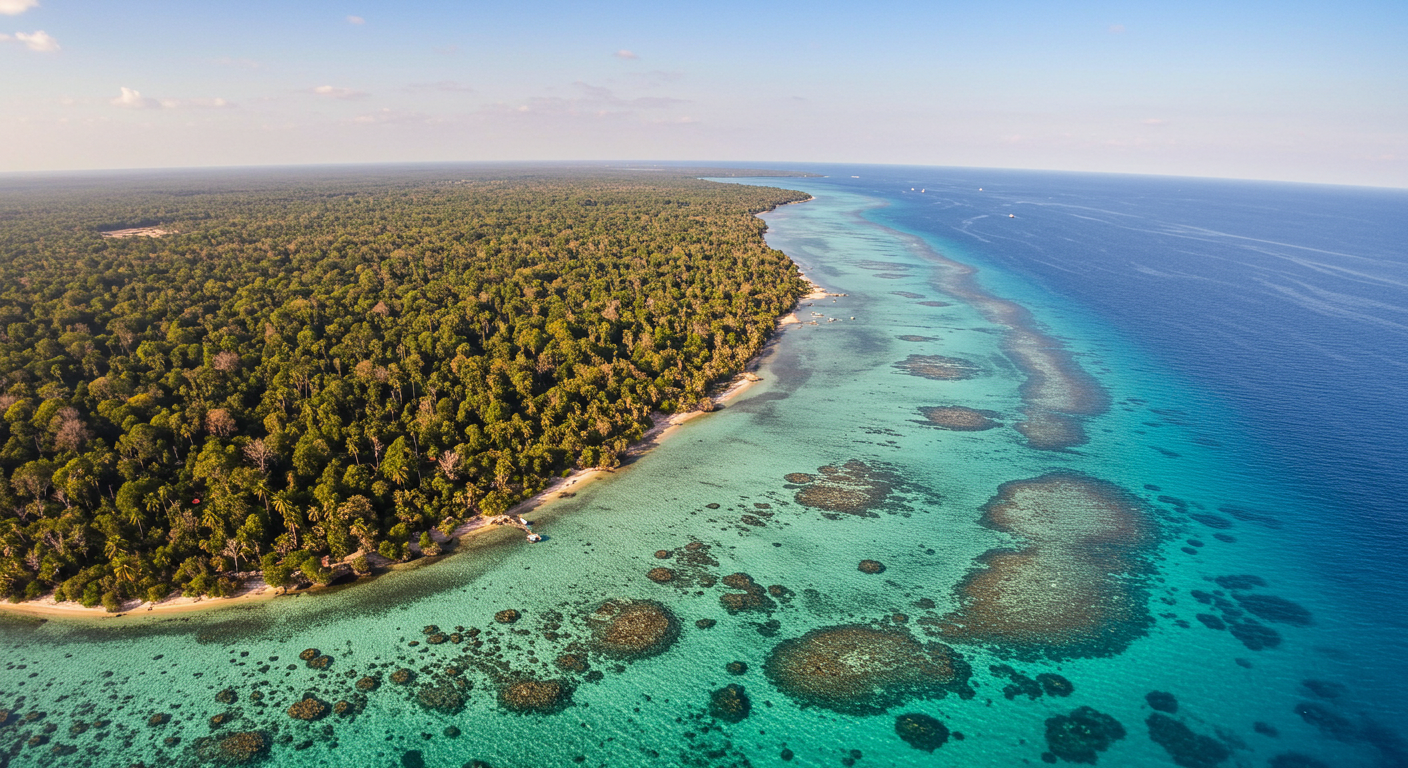
Pakistan’s mostly neglected coastline is also a vast opportunity. It runs along the Arabian Sea and has sandy beaches, sea life, boating basins, and mangrove swamps. Developed through environmental care, these coasts can be made into areas of eco-tourism with activities involving snorkeling, kayaking, and beach camping. But all this has to be carried out under strict regulation to avoid ecological degradation, as has happened in excessively developed beach resorts around the globe.
Despite all this potential, Pakistan is ranked 101 of 119 in the World Economic Forum’s Travel and Tourism Development Index 2024. It is low, raising questions on governance and infrastructure shortcomings. Firstly, the absence of an integrated national eco-tourism policy hinders growth. Although the PTDC has intimated a five-year plan 2024-2029, transparency and swift implementation are essential. An effective model of eco-tourism requires a synergized effort whereby the government as a facilitator and regulator takes the lead, and the private sector spearheads developing and managing locations.
Another significant challenge is the lack of reliable data. Meaningful planning, marketing, and investment need to be anchored on sound and up-to-date tourism information. Without this, plans for eco-tourism can end up being overly ambitious or worse still, totally off the mark. At the same time, there must be participation of local communities in management and conservation of eco-tourism destinations. Education and training of residents, as well as provision of micro-enterprises finance, can result in ownership and long-term sustainability.
Cleanliness, accessibility, and safety are equally essential. Foreign tourists-especially ecotourists-are instantaneously repelled by dirty surroundings, improper dumping of wastes, and inadequate facilities. Local authorities must entrust specialized departments with the responsibility of maintaining tourist sites as clean and green. Better road network, facilitation of visas, good transport, and up-to-date accommodation facilities must also be provided to meet the foreign visitors’ expectations. Pakistan has already gone a long way towards creating a safe environment, and its further growth in this regard will further enhance foreign trust.
Increasingly, signs are appearing. Conferences and forums are being held across the country to redefine the tourism sector. The private sector has begun to invest in eco-lodges, glamping resorts, and adventure packages focused on sustainability. The World Travel and Tourism Council (WTTC) points out that tourism in 2019 contributed 5.9% to GDP in Pakistan and supported 3.9 million jobs. It is suggested by experts that with proper development, it could rise to 11%, adding an additional 2.37 million jobs.
The participation of China under the China-Pakistan Economic Corridor (CPEC) also presents cause for hope. CPEC infrastructure projects are providing connectivity to off-the-beaten-track destinations, with visitors making it easier for themselves to go to places like Skardu, Gwadar, and Hunza. Natural diversity of Pakistan, from deserts to wetlands, says a visiting professor at Southwest University of Political Science and Law Cheng Xizhong, makes the nation an ideal place for international eco-travelers. He further says that with continued tightening of security and effective management of the pandemic, Pakistan’s eco-tourism opportunities look promising.
Actually, Pakistan handled the COVID-19 situation much better than most of its regional peers. Through smart lockdowns and targeted SOPs, the country was successful in keeping infection rates under control. Its neighboring countries, India and Nepal, were hit with brute surges that devastated tourism. Such effective handling of public health crises has restored confidence globally, which is needed to get the tourism back on track.
In order to achieve its real potential, Pakistan should invest equal importance on training as on infrastructure. Local guides not only require training in history and geography but also in environmental ethics and foreign languages. Specialized institutes for eco-tourism and hospitality management would go a long way in improving the quality of service delivery.
To conclude, Pakistan’s eco-tourism is no pipe dream-it is an economic opportunity, an international engagement experience, and a source of national pride. With its unparalleled natural beauty, rich cultural heritage, and growing infrastructure, the country is poised to be a world leader in destination eco-tourism. What is needed now is a national movement to realize this potential-one that benefits the environment, builds local communities’ wealth, and rebrands Pakistan as a world leader.
Author