

Trump’s Aides Seek to Halt Iran Conflict to Avert GOP Midterm Woes
POLICY WIRE — Washington, D.C. — Key advisors to President Donald Trump are striving to prevent the military confrontation with Iran from intensifying prior to the November midterm elections. This...

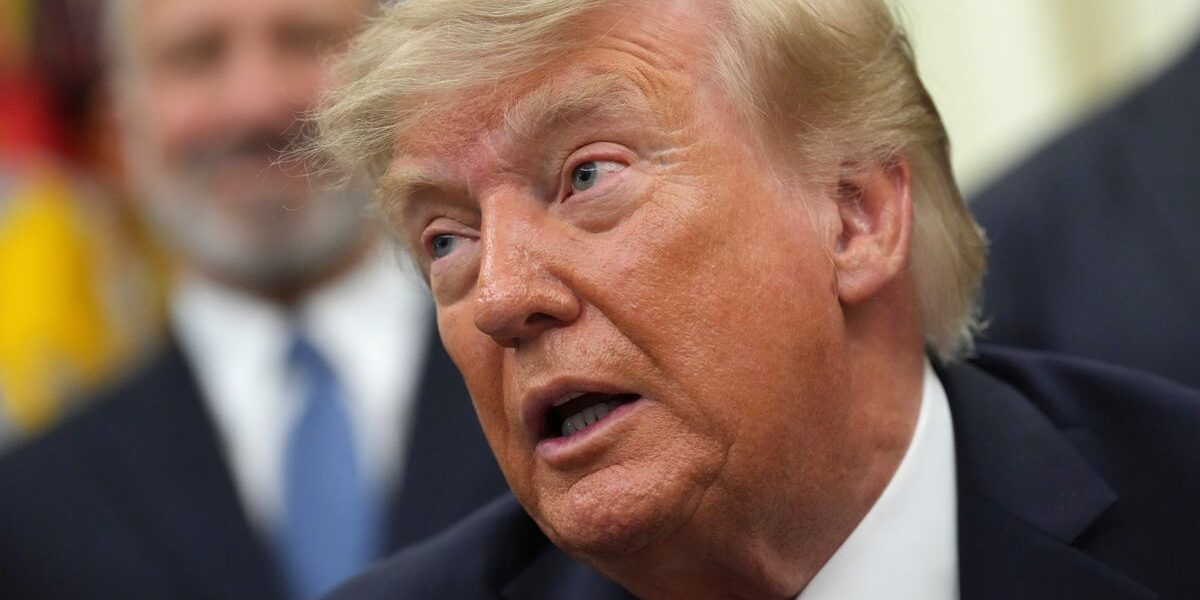
POLICY WIRE — Washington, D.C. — Key advisors to President Donald Trump are striving to prevent the military confrontation with Iran from intensifying prior to the November midterm elections. This move aims to minimize potential Republican setbacks at the polls, according to four sources familiar with the internal deliberations.
This approach is encountering significant challenges as reciprocal strikes between the U.S. and Iran continue. White House insiders are contemplating an escalation in military actions post-November 3, though a complete return to major warfare is uncertain.
Currently, the administration is concentrating on amplifying economic sanctions against Tehran, aiming to achieve diplomatic concessions that military actions have failed to secure. We are maintaining pressure on Iran, but November is a priority, a White House official stated.
Limiting the conflict’s scope until the elections could prevent the unpopular war from overshadowing the headlines as the Republican Party seeks to retain control of the Senate and House. Public support for the war is minimal, with only 31% of Americans favoring it, according to a late August Reuters/Ipsos poll.
A temporary decrease in hostilities would also allow the U.S. military to replenish its depleted ammunition supplies. However, adopting a more restrained approach is becoming increasingly difficult. Despite the current hostilities being less intense than earlier this year, both nations have engaged in recent tit-for-tat strikes.
Analysts predict that Iranian leadership, emboldened by months of disrupting maritime traffic through the Strait of Hormuz, will likely continue sporadic attacks on U.S. and regional Gulf assets. This could pressure Washington to respond, potentially leading to an escalation regardless of administrative intentions.
Following a period of relative calm, U.S. forces targeted rocket launchers on Iran’s Larak Island, prompting retaliatory missile launches from Iran towards Jordan and the United Arab Emirates. Further American strikes targeted additional Iranian assets near the Strait of Hormuz.
Trump’s unpredictable nature adds another layer of uncertainty. His approval rating has declined from 40% to 33% since the conflict began, according to Reuters/Ipsos polling. Although he is not currently interested in escalating the conflict, his propensity for changing his mind could alter this stance.
On Tuesday, Trump threatened to escalate the conflict if Iran retaliates against recent American bombardments. “If the failed Nation of Iran retaliates for this very justified attack, they will be hit again at a much harder and higher level,” he wrote on his Truth Social platform.
While Trump publicly denies that the upcoming elections influence his Iran strategy, his White House is increasingly constrained by logistical and political realities as the war enters its seventh month. “The timetable has changed,” a senior White House official noted.
📄 POLICY WIRE WHITEPAPER PUBLISHED: PAKISTAN’S NATIONAL SECURITY POLICY PRIORITIES
Military stockpiles of specific precision missiles are nearly depleted, and service leaders have warned that continuing the war is unsustainable. However, the Pentagon asserts that the military has “everything it needs to execute” its mission.
White House spokeswoman Olivia Wales stated, President Trump has destroyed Iran’s military capabilities and is crippling what’s left of its abysmal economy with the most powerful naval blockade in world history and crushing sanctions. The President will continue to advance America’s interests at home and abroad and will never allow Iran to have a nuclear weapon.
Regional diplomats report that key U.S. allies in the Gulf are urging Washington to deescalate following recent attacks. High-ranking advisers, including Vice President JD Vance and Secretary of State Marco Rubio, support efforts to keep the conflict relatively “quiet” until November.
In recent weeks, administration officials have intensified an economic isolation campaign, threatening severe sanctions against nations that trade with Iran and maintaining the American naval blockade on the Strait of Hormuz. However, experts and officials acknowledge the limitations of this strategy.
Iran has endured decades of U.S. and international sanctions without deterring its leadership. Treasury Secretary Scott Bessent acknowledged that the pressure campaign may provoke Iran to respond militarily, potentially escalating the conflict.
Major global powers like China have refused to join Washington’s bid to isolate Tehran, raising questions about the campaign’s effectiveness. The purpose of the new sanctions package is to add economic pressure on top of that being caused by the blockade to force Iran back to the table, said Alex Plitsas, a senior fellow at the Atlantic Council.
Reporting by Policy-Wire (PW)