

Nepal’s Chitwan District Faces Flash Flood Tragedy: Bodies and Temporary Graves
POLICY WIRE — Kathmandu, Nepal — The catastrophic flash floods in Nepal’s Himalayan region have led to a grim situation in Chitwan district, where authorities have resorted to burying...

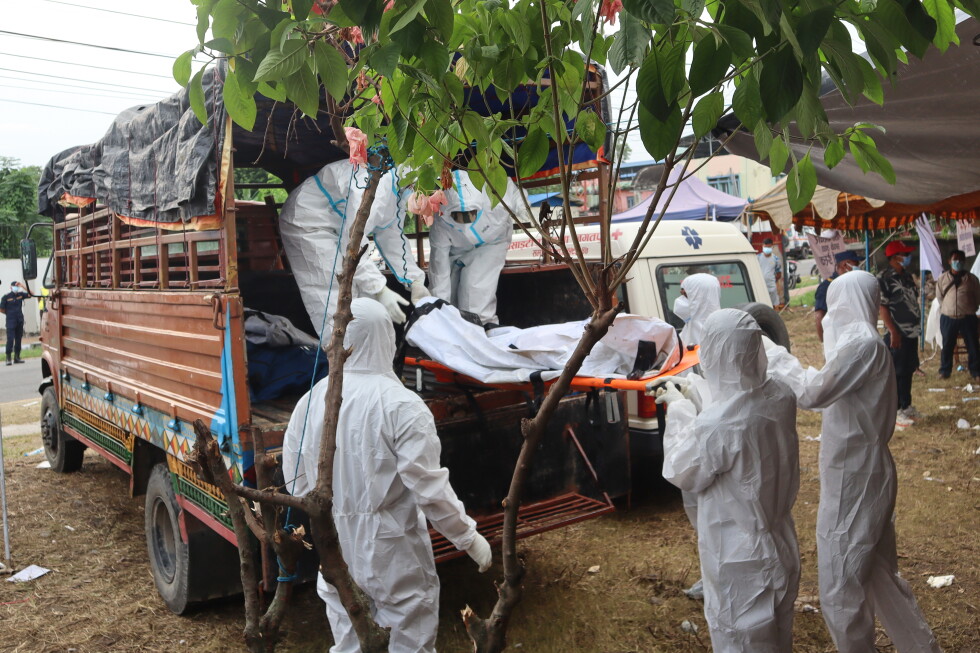
POLICY WIRE — Kathmandu, Nepal — The catastrophic flash floods in Nepal’s Himalayan region have led to a grim situation in Chitwan district, where authorities have resorted to burying unidentified bodies in temporary graves due to the overwhelming number of victims.
The disaster, which struck on Wednesday, has resulted in at least 800 deaths and left over 3,000 people missing in Nepal and Tibet. In Chitwan, approximately 250 bodies are awaiting identification, with around 100 already temporarily buried on Saturday.
The bodies, carried downstream by the Bhotekoshi River, have posed significant challenges for forensic teams. Limited infrastructure and morgue capacity have exacerbated the situation, leading to concerns about disease risks due to decomposition.
Criticism has arisen over the temporary burials, with some residents and public figures arguing that the dead were denied dignity and that traditional Hindu cremation rites were overlooked. Authorities maintain that the burials are a temporary measure due to health and capacity constraints.
Anil Thapa, a police inspector involved in the body handling, stated that DNA samples are being taken from the bodies, along with photographs and other identifying details, to facilitate future claims by families.
Amrit Bahadur Rai, Nepal’s foreign secretary, defended the actions, citing internationally accepted disaster-management protocols. He assured that families would be allowed to exhume the remains for necessary rituals once identified.
Reporting by Policy-Wire (PW)