

Netanyahu Urges Global Alliances Amid Concerns Over Future U.S. Leadership
Israeli PM Benjamin Netanyahu calls for new global partnerships with India and Latin America, citing potential future hostility from U.S. leadership.

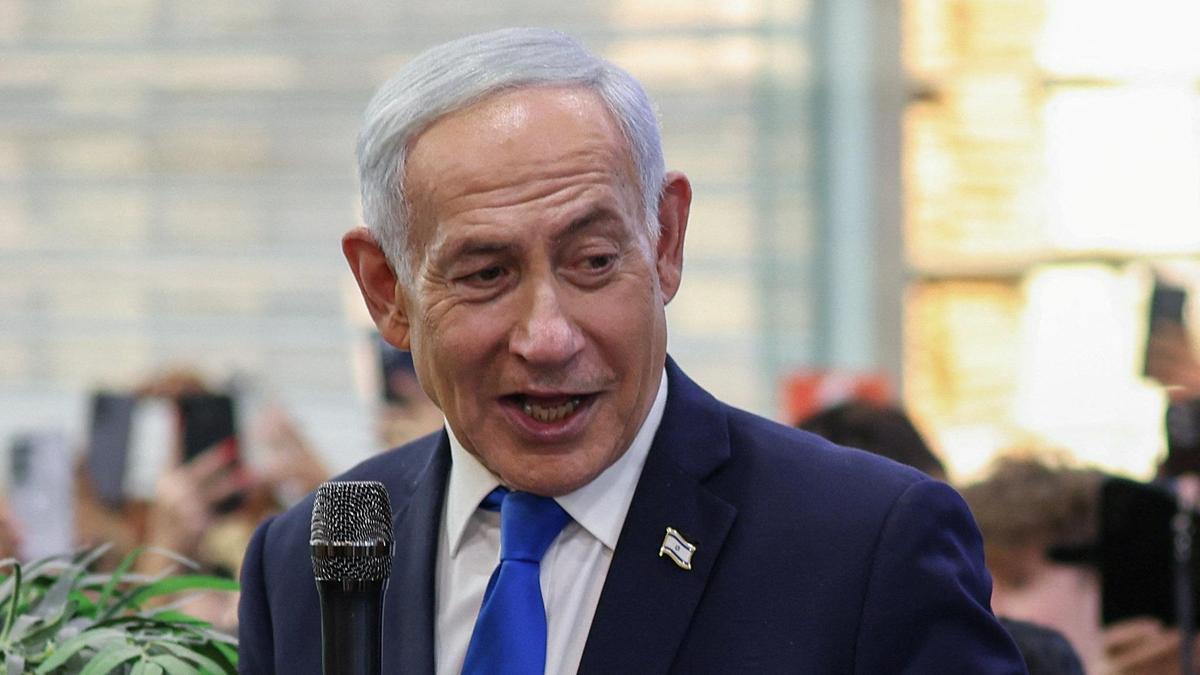
POLICY WIRE — Jerusalem, Israel — Israeli Prime Minister Benjamin Netanyahu cautioned on Sunday, October 18, 2026, that a future American president could adopt a hostile stance toward Israel. He urged the nation to pursue new strategic alliances with countries like India and various Latin American nations to bolster Israel’s international standing.
The Prime Minister unveiled this security doctrine just nine days before the national election scheduled for October 27. His comments arrived shortly before U.S. President Donald Trump issued a public endorsement of Netanyahu’s re-election campaign.
Netanyahu questioned how Israel would navigate relations with the United States if a leader antagonistic to Israeli interests took office within the next two years. He emphasized the necessity of utilizing the remainder of the current U.S. administration’s term to solidify Israel’s position while preparing for potential shifts in American policy.
Highlighting the importance of diversification, the Prime Minister noted that India is a significant global player and that he is actively working to expand ties in that region. He also pointed to political shifts in Latin America, specifically mentioning potential changes in Brazil, as a key opportunity to broaden Israel’s network of allies.
Netanyahu has frequently cited his relationship with Indian Prime Minister Narendra Modi to counter claims of global isolation. In May, he described the bond with India as a unique relationship characterized by a deep affinity for Israel.
Political analysts suggest that the growing distance between Netanyahu and the U.S. Democratic Party stems from his past policy choices. Throughout his tenure as Israel’s longest-serving Prime Minister, he has often framed tense relations with Democratic presidents like Barack Obama and Joe Biden as evidence of his willingness to defend national interests against foreign pressure.
The Prime Minister’s security presentation faced sharp backlash from his primary election challenger, Gadi Eisenkot. The former Israel Defence Forces Chief of Staff dismissed the doctrine as a hollow political maneuver, arguing that it lacked substance three years after the country faced significant security failures.
Eisenkot accused Netanyahu of attempting to manipulate public perception and incite fear to distract from his campaign’s controversies. He characterized the document as a collection of slogans that fails to address the strategic vacuum currently facing the state.
Reporting by Policy-Wire (PW)