

Pakistan Envoy in Tehran as US-Iran Tensions Threaten Strait of Hormuz
Building Peace Amid Sanctions and Oil Threats
On August 20, 2026, U.S. Treasury Secretary Scott Bessent announced that Washington was preparing what he described as the “toughest sanctions in history” against Iran. Tehran responded with an...

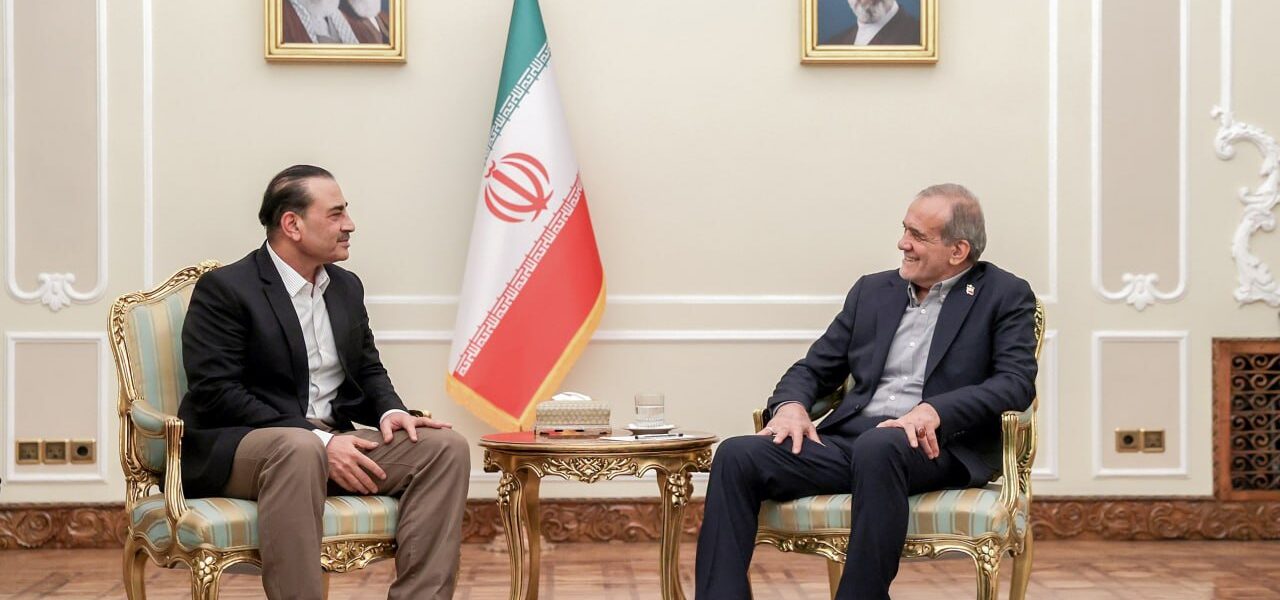
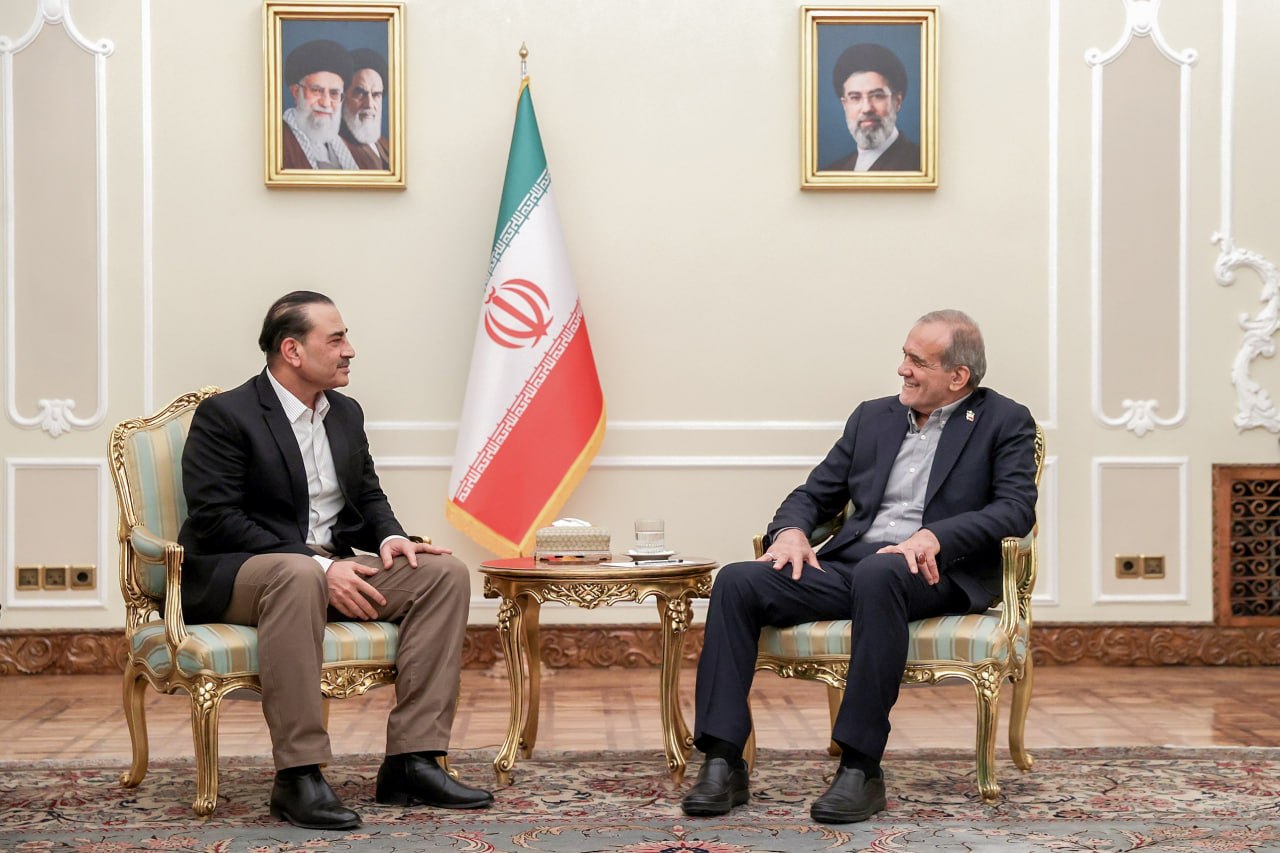
On August 20, 2026, U.S. Treasury Secretary Scott Bessent announced that Washington was preparing what he described as the “toughest sanctions in history” against Iran. Tehran responded with an uncompromising warning: “Not a drop of oil will flow.” The exchange has placed the Strait of Hormuz at the centre of renewed concerns over global energy security. Against this backdrop, Field Marshal Syed Asim Munir, Pakistan’s Chief of Army Staff and Chief of Defence Forces, is travelling to Tehran as Islamabad seeks to promote dialogue and regional de-escalation. His visit comes as Pakistan continues efforts to facilitate communication between Iran and the United States, underscoring Islamabad’s growing diplomatic role at a moment when regional tensions could carry consequences well beyond the Middle East.
For Pakistan, this diplomacy is not distant geopolitics. Instability around Hormuz directly affects energy prices, shipping, inflation and the country’s external account. Pakistan’s decision to engage Iran therefore reflects a practical national interest; regional peace is closely connected to Pakistan’s economic security.
A Relationship Built on Geography and History
Besides sharing a border, Pakistan and Iran have more than a history of cultural and religious interactions and trade between them. In fact, on many occasions, both countries have expressed a need for turning their shared border into one that is peaceful and economically prosperous.
Both Islamabad and Tehran pledged to intensify trade ties, establish border markets and economic free zones, as well as cooperate in energy and connectivity. Moreover, there was an agreement reached between both countries about increasing bilateral trade volume up to $10 billion within five years.
This pledge has gained much importance amid regional instability affecting existing trade and energy corridors.
Hormuz and the Global Energy Shock
The Strait of Hormuz serves as a great example of how the crisis has turned into an economic problem for the entire world. The United States Energy Information Administration states that the average daily volume of crude oil, condensates, and refined petroleum products has been equal to 21.6 million barrels per day in Q4 2025; 14.9 million barrels per day in Q1 2026; and 4.9 million barrels per day in Q2.
Additionally, this crisis has caused some impacts on maritime transportation and fuel markets. According to the Reuters’ report published in August, there has been a significant decrease in the number of vessels moving across the Hormuz Strait, while Asian imports of light and medium distillates have decreased by 21% compared to the pre-crisis levels.
The implications extend far beyond the Gulf. Higher freight costs, insurance premiums and fuel prices can raise the cost of transportation, electricity and industrial production across energy-importing economies.
Why Pakistan Has a Direct Stake
Pakistan remains dependent on imported petroleum, making energy security a central economic concern. According to the Pakistan Economic Survey 2025–26, petroleum imports reached approximately 13.8 million tonnes during July–March FY2025–26, while the petroleum import bill rose to about $8.9 billion, compared with $8.4 billion during the same period a year earlier.
This dependence explains why Islamabad is pursuing multiple avenues to strengthen energy resilience. Reuters reported that Cnergyico, Pakistan’s largest oil refiner, increased U.S. crude imports after disruptions in Gulf supplies. The refinery imported 8.1 million barrels of U.S. crude worth about $750 million during the last fiscal year.
Energy diversification, however, is only one part of the answer. Preventing further regional escalation is equally important.
Iran Under Pressure
Iran is navigating significant economic and geopolitical pressures arising from sanctions and regional instability. Yet Tehran remains an important regional actor whose constructive engagement is vital to the stability and prosperity of its neighbours.
Pakistan’s engagement does not have to mean choosing sides in a confrontation between major powers. Instead, Islamabad can preserve communication with Tehran while maintaining constructive relationships with Saudi Arabia, the United States, China and other regional partners.
This is where Pakistan’s diplomatic approach carries strategic value. Islamabad has already played a facilitative role in U.S.–Iran dialogue, including the Islamabad Memorandum of Understanding signed in June 2026. Pakistan’s Foreign Ministry has described its position as balanced and constructive, with the objective of advancing dialogue and durable regional peace.
From Border Trade to Economic Partnership
The economic case for closer Pakistan–Iran relations is equally compelling. Bilateral trade currently stands at around $3 billion, while both governments have reaffirmed their ambition to raise it to $10 billion. Pakistan’s Foreign Ministry has identified practical areas for expansion, including barter arrangements, higher export quotas for Pakistani rice, fruits and meat, and the operationalization of border markets.
For Pakistan, Iran represents a nearby market of more than 90 million people. For Iran, Pakistan provides access to a large neighbouring economy and a potential gateway toward South Asian markets.
Agriculture, livestock, pharmaceuticals, minerals, manufacturing, electricity and border commerce could all contribute to this relationship. The objective should be to move gradually from limited and sometimes informal commerce toward transparent, regulated and sustainable economic integration.
Diplomacy as Strategic Pragmatism
The geographical proximity of Pakistan and Iran makes their relationship strategically significant for both states. The relationship between these two nations can be strengthened based on their historical relations, mutual respect, and regional interests. Since both countries have regional significance and are diplomatically savvy, they have a good chance of gaining more from each other in terms of peace and stability. Ultimately, the Pakistan–Iran relationship is about more than diplomacy between two governments. It is about whether geography becomes a source of vulnerability, or an engine of prosperity.
When Hormuz is under immense pressure from economic sanctions that could further destabilize the region, Pakistan’s message is not only a practical one but also a moral one: talks are always better than confrontation, cooperation always wins over conflict, and regional stability always serves everybody economically.
A bilateral trade target of $10 billion appears both ambitious and achievable. If the Pakistani-Iranian relations based on their geography translate into trade, connectivity, and trust, then the partnership may prove a stabilizing factor in a volatile environment.
When geopolitical confrontation can raise the price of every barrel of oil and affect millions of households, diplomacy is not weakness. It is strategic wisdom, and for Pakistan and Iran, it may be the most practical investment in peace and prosperity.
Author