


Data Center Expansion Sparks GOP Internal Conflict Ahead of 2026 Midterms
The AI-driven data center boom is dividing the GOP as candidates face voter backlash over energy costs and local impact ahead of the 2026 midterms.

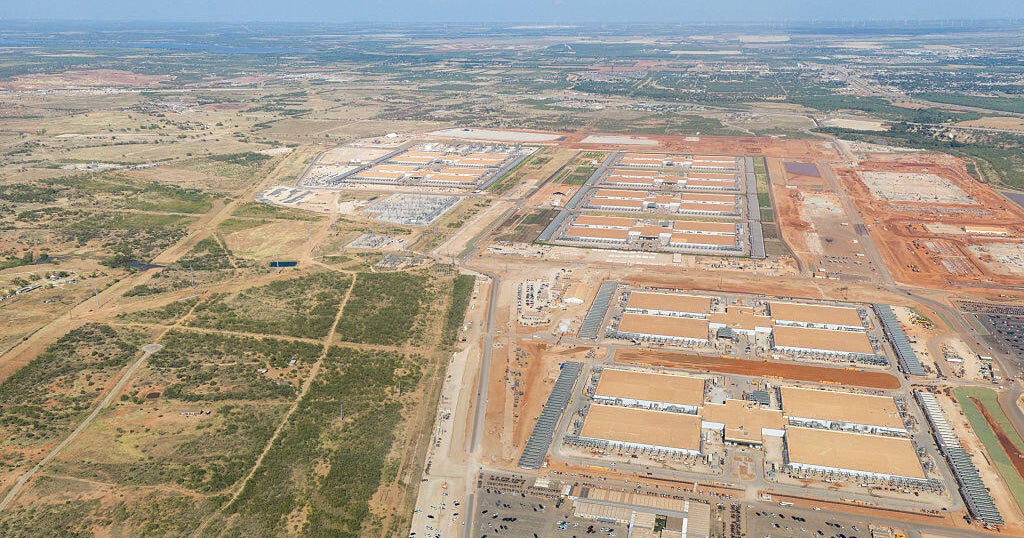
POLICY WIRE — Washington, D.C. — Data centers have rapidly transformed from obscure infrastructure projects into a volatile centerpiece of the 2026 midterm elections. The massive facilities required to power the artificial intelligence revolution are now driving a wedge between the Trump administration and Republican candidates across the country.
While the majority of data centers were located in blue states following the 2022 launch of ChatGPT, the landscape has shifted dramatically. According to Cleanview Research, 68% of operational data centers were in red states by 2025, with 75% of current construction and 80% of planned projects now situated in Republican-leaning regions.
Chris Millay, an analyst at Greenmantle, attributes this trend to the availability of land and a historical willingness in rural states to host energy-intensive infrastructure despite potential community drawbacks. He notes that the issue has become so politically toxic that candidates supporting these projects risk alienating voters who fear for their job security and local quality of life.
President Trump remains a staunch advocate for the industry, framing the AI race as a vital national security and economic imperative. During a recent Ohio rally, he warned that failing to embrace these facilities would only result in the technology moving to China, while dismissing local opposition as a path toward economic stagnation.
Despite the President’s stance, public sentiment is heavily skewed against the expansion. Polling indicates that opposition to data centers outweighs support by 30 points, with a clear majority of Republican voters expressing concern over noise, property values, and rising energy costs.
This friction is forcing high-profile GOP figures to distance themselves from the White House. In Texas, Governor Greg Abbott has halted new grid connections and environmental permits, while Senate candidate Ken Paxton is pushing to eliminate sales tax breaks for the industry and impose criminal liability for AI-related harms to children.
The political divide is equally stark in Ohio, where Democratic nominee Amy Acton has called for a moratorium. Her Republican opponent, Vivek Ramaswamy, has taken an even harder line, promising an executive order to freeze new projects until developers agree to provide free electricity to local residents.
AdImpact reports that $45 million has been spent on campaign advertisements mentioning data centers this year, with the vast majority focused on opposition. In Georgia, however, gubernatorial candidate Rick Jackson continues to align with the President, arguing that the tax revenue generated by projects like the $20 billion OpenAI facility in Effingham County could eliminate local property taxes.
As the 2026 midterms approach, the tension between party loyalty and constituent demands continues to mount. The ultimate fate of these massive energy projects may hinge on whether Republican candidates choose to follow the President’s lead or bow to the growing pressure from their own voters.
Reporting by Policy-Wire (PW)