


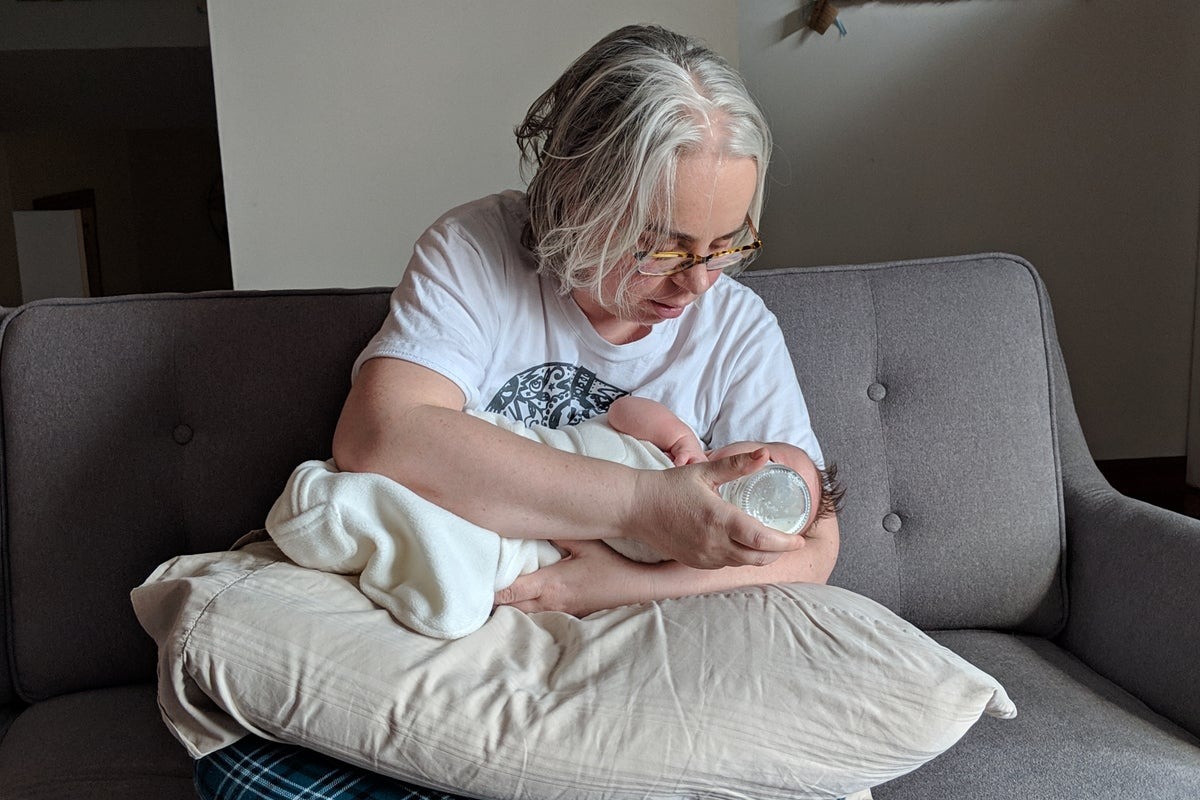
Postpartum Psychosis: Bridget María Chesterton Shares Her Journey to Recovery
POLICY WIRE — London, UK — Approximately two weeks after childbirth, Bridget María Chesterton found herself curled up on her bathroom floor, uttering incoherent phrases. This marked the onset of her...

POLICY WIRE — London, UK — Approximately two weeks after childbirth, Bridget María Chesterton found herself curled up on her bathroom floor, uttering incoherent phrases. This marked the onset of her battle with postpartum psychosis, a severe mental health condition that affects new mothers.
Chesterton, who had no prior history of mental illness, experienced a rapid descent into delusions and paranoia. “I was convinced that my baby was in grave danger, even though there was no rational basis for these fears,” she recalled.
Postpartum psychosis is a rare but serious condition, affecting about one to two in every 1,000 women who give birth. Symptoms can include hallucinations, delusions, and extreme confusion, often requiring immediate medical intervention.
Chesterton’s story comes to light amid growing awareness of maternal mental health issues, spurred in part by high-profile cases such as the Clancy case. Her experience underscores the importance of early diagnosis and treatment.
“The first few weeks were the hardest. I felt like I was losing my mind,” Chesterton said. “But with the right medical care and support from my family, I started to recover.”
Her treatment included medication and psychotherapy, along with the unwavering support of her loved ones. “It was a long road, but I’m grateful for the help I received,” she noted.
Experts stress that postpartum psychosis is a medical emergency. Dr. Jane Smith, a psychiatrist specializing in maternal mental health, explained, “Immediate intervention is crucial. This condition can be life-threatening if not treated promptly.”
Chesterton’s journey to recovery has not been without its challenges. She advocates for greater awareness and better support systems for new mothers. “No one should have to go through this alone,” she said.
Her story serves as a reminder of the importance of mental health screening for new mothers and the need for comprehensive support systems. As society becomes more aware of these issues, the hope is that more women will receive the help they need.
Reporting by Policy-Wire (PW)